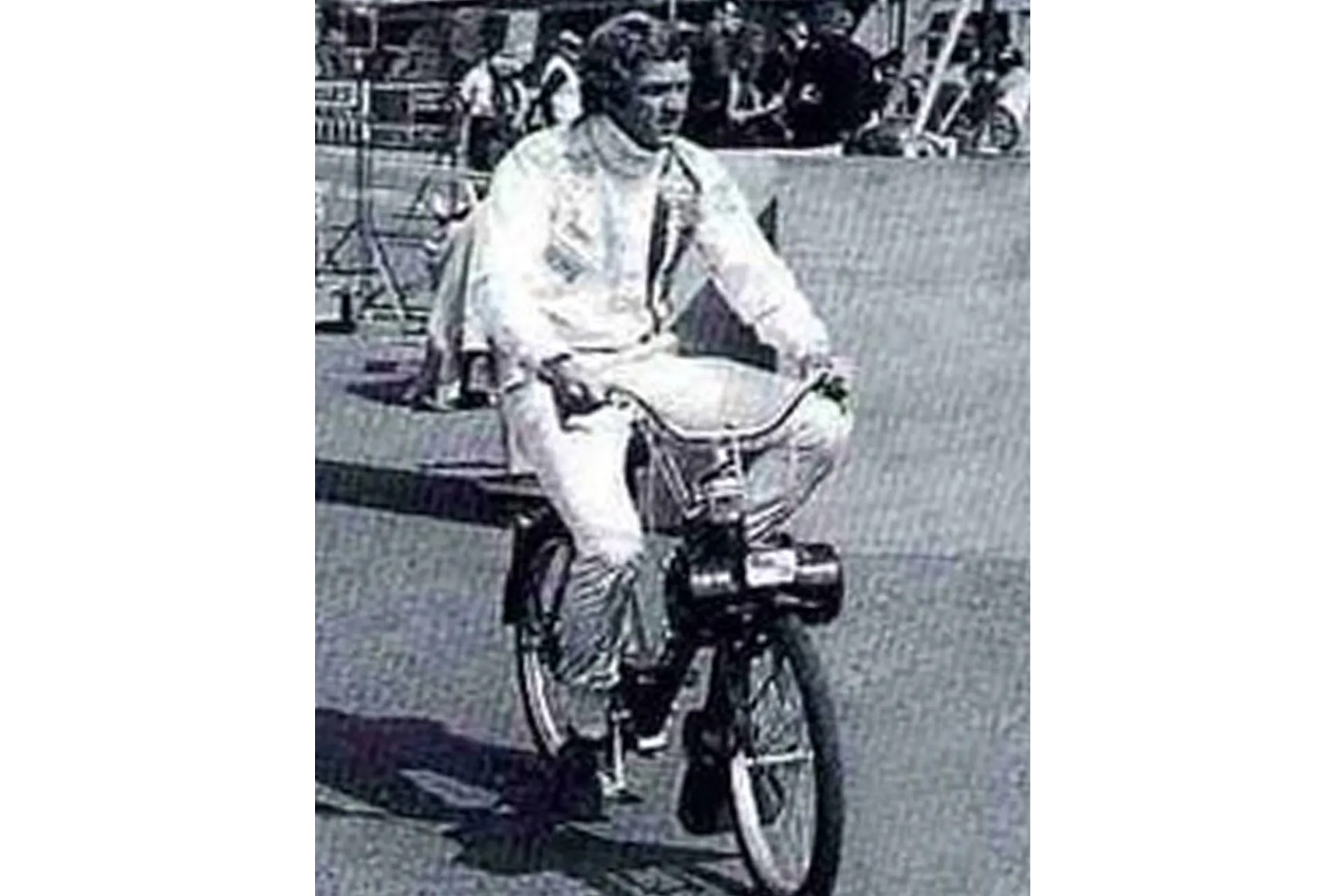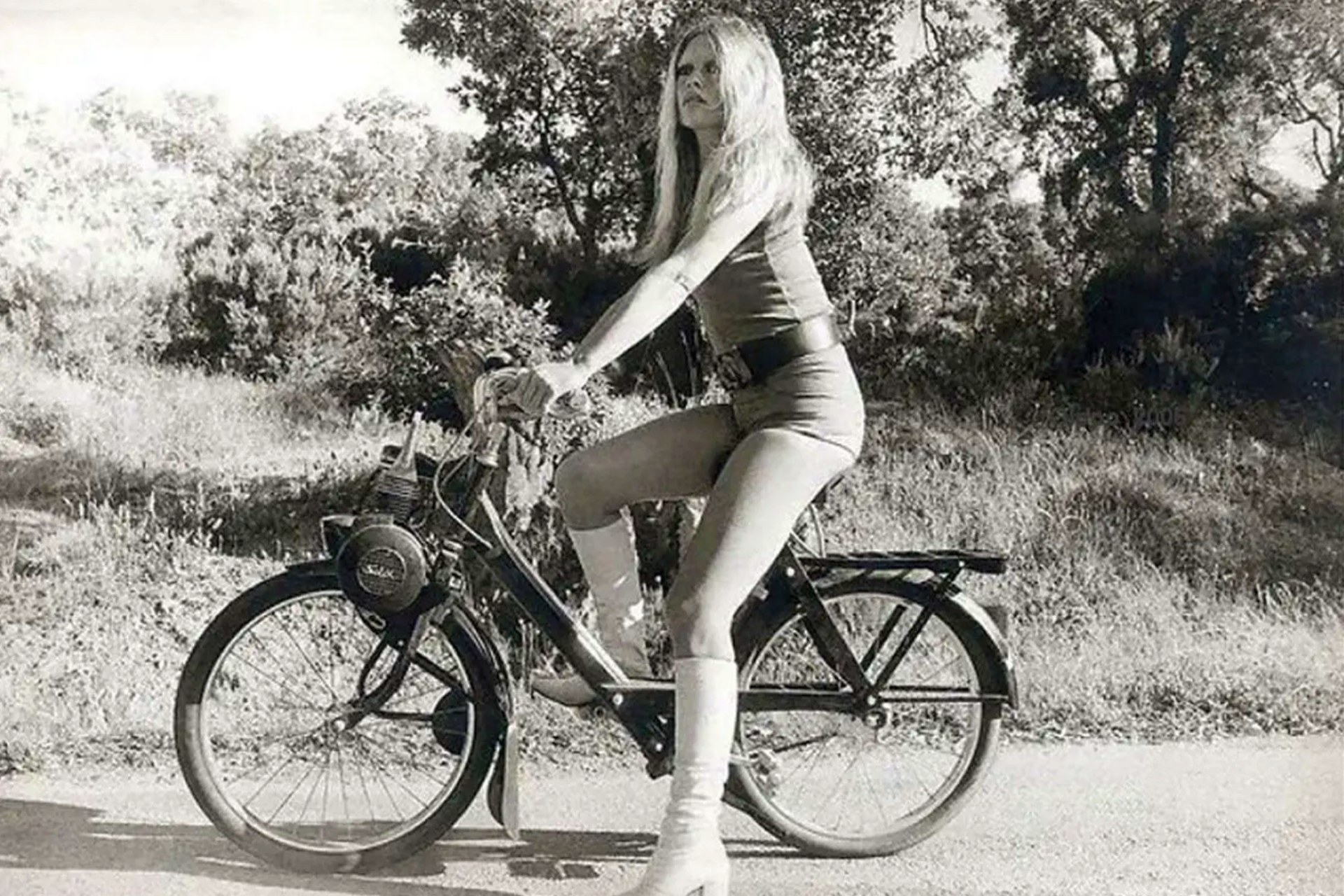
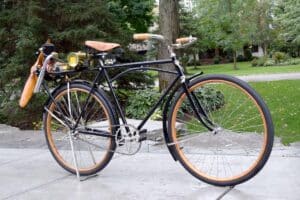
There are vehicles that end up becoming more than just a means of transportation. He VéloSoleX was one of them. Born in France in 1946, that “peculiar moped” with the engine placed on the front wheel and transmission via a roller quickly became a social phenomenon. During its original production stage, more than 7 million units were manufactured, until the end of production in 1988.

The formula for his success had little mystery: «simplicity, low consumption, easy maintenance and a price within the reach of a good part of the population«. The motor acted directly on the front tire using a roller, a solution as simple as it was recognizable that ended up becoming the main hallmark of the model.
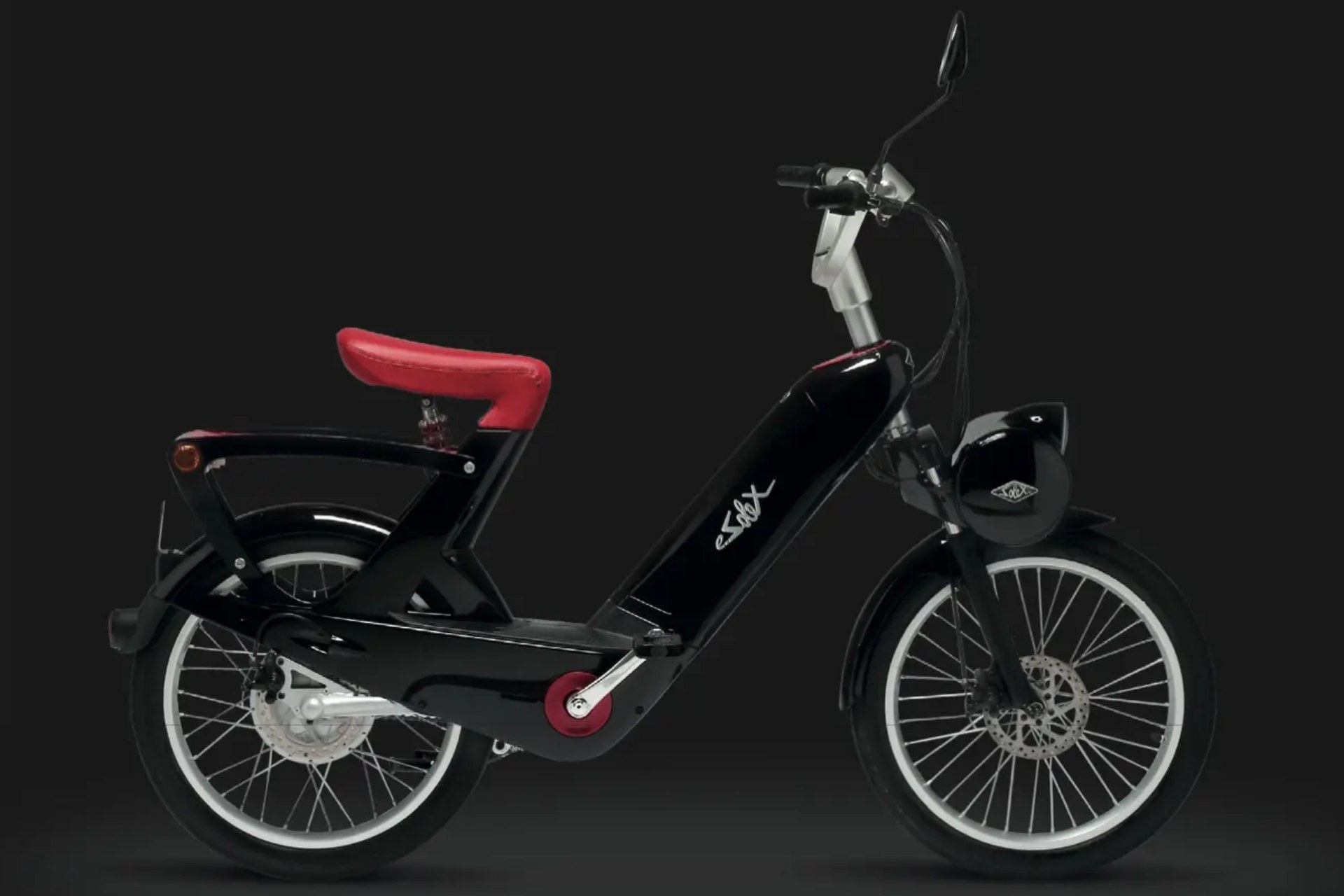
The return of Solex that carried the Pininfarina signature
Although we in Spain know little about this “moped“, in France, with such a legacy, recover the name Solex It was a difficult opportunity to miss. There, in the mid-2000s, the Cible group acquired the rights to the brand and proposed a completely different reinterpretation of the original concept: «maintain the aesthetic essence, but replace the combustion engine with an electric one«. In principle a good idea.

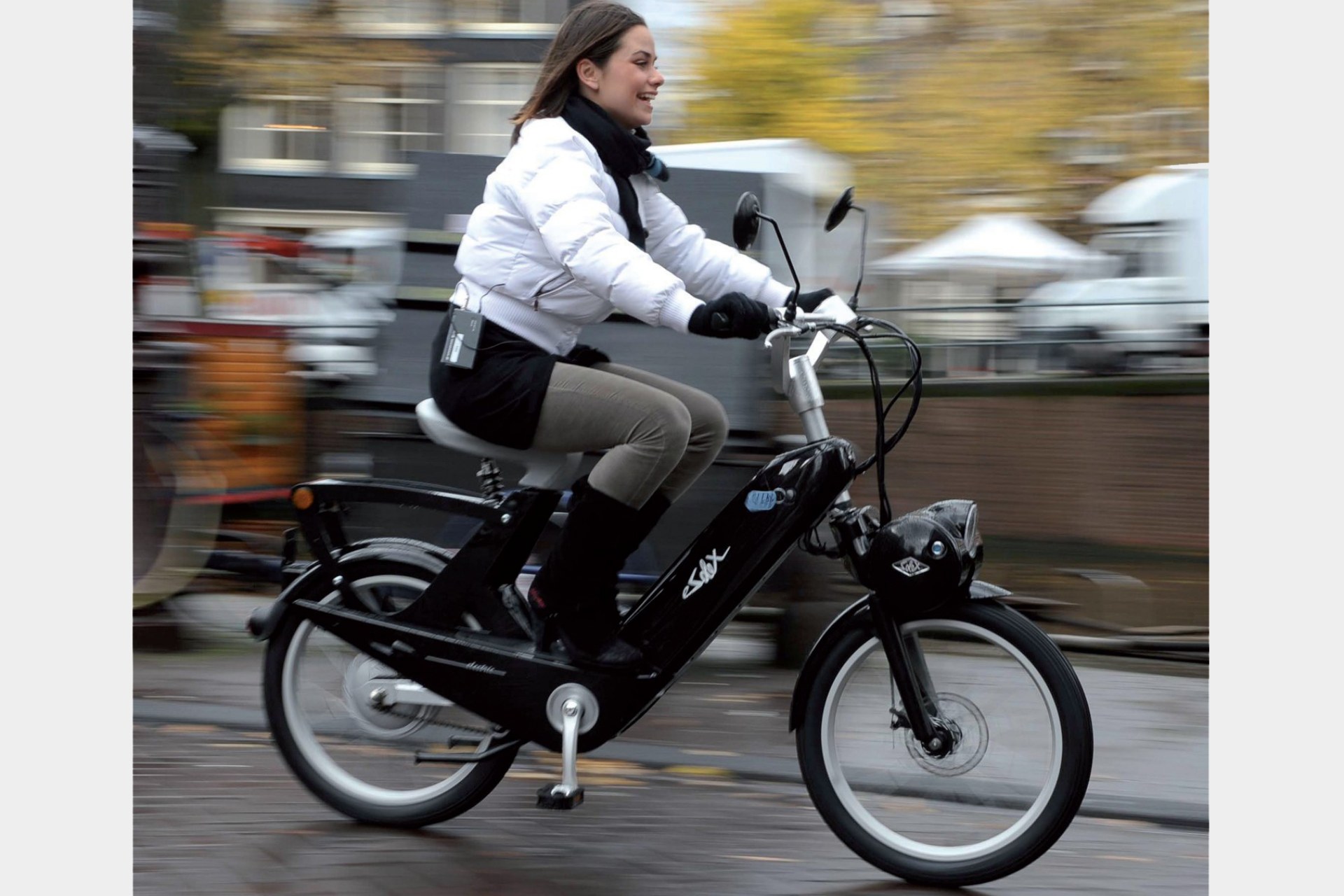
The result was the e-Solexpresented as a modern “electric moped” with a design signed by Pininfarina. The proposal attracted special attention because it preserved some visual features of the Solex classic, although technically it had little to do with that simple post-war moped. In fact, one of the most obvious differences was precisely where the fan least expected it.
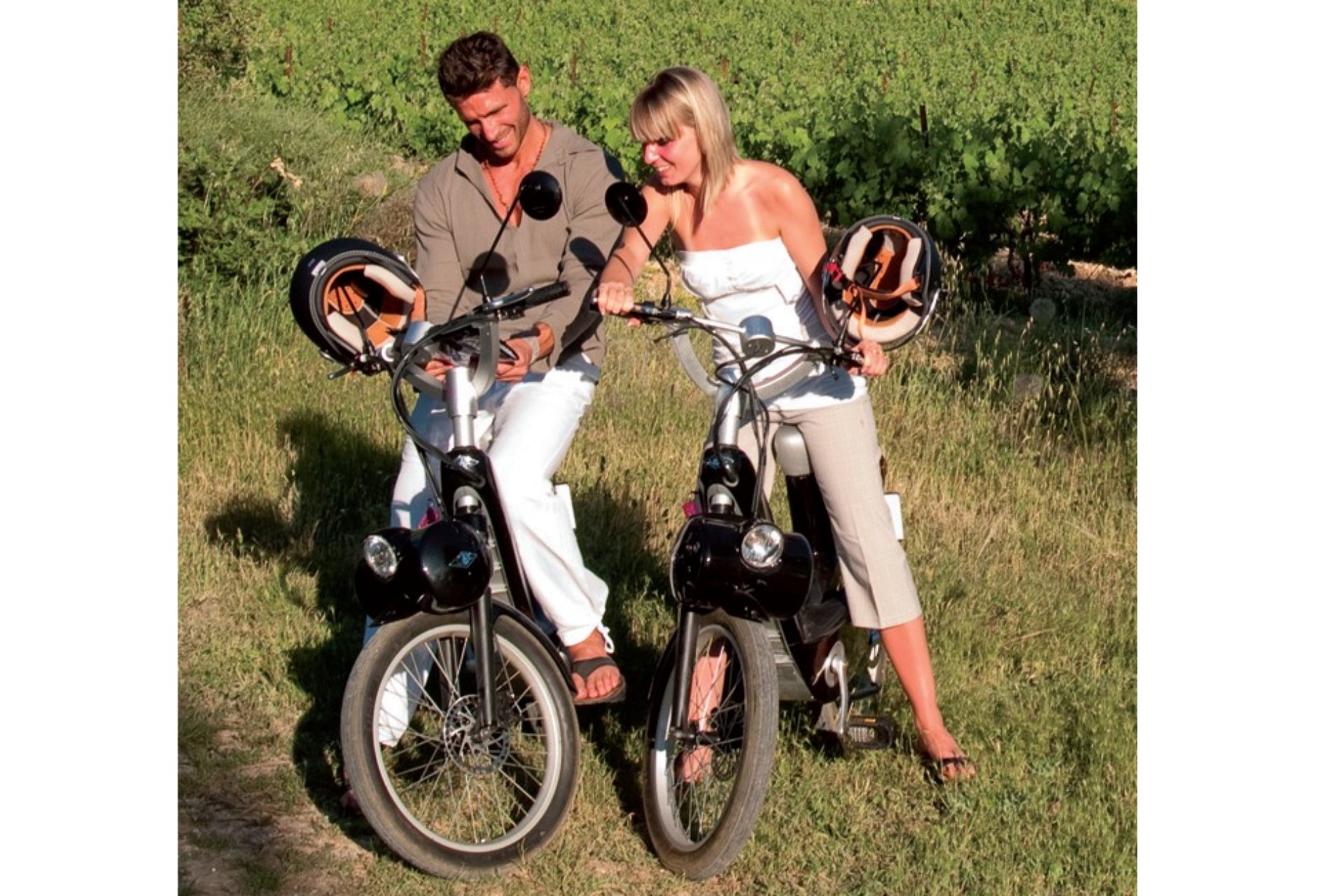
The characteristic propeller placed on the front wheel had disappeared. Instead, the electric motor was located in the rear area, while the element reminiscent of the old front motor began to have mainly an aesthetic function. The transmission also changed completely. The famous roller that rotated the front wheel through direct contact with the tire gave way to a much more conventional configuration for an electric vehicle.
The new Soles with 35 km/h and up to 40 km of autonomy
He e-Solex It was not intended to be a high-performance electric moped. Its philosophy was much closer to urban mobility and short trips. Weighing about 40 kg, with disc brakes and a small on-board computer, it announced a maximum speed of 35 km/h and a range of approximately 40 km. Full battery recharging could take up to 8 hours, while reaching around 70% charge required about 4 hours. On paper, it was an interesting proposal for urban travel. The problem was in the price.

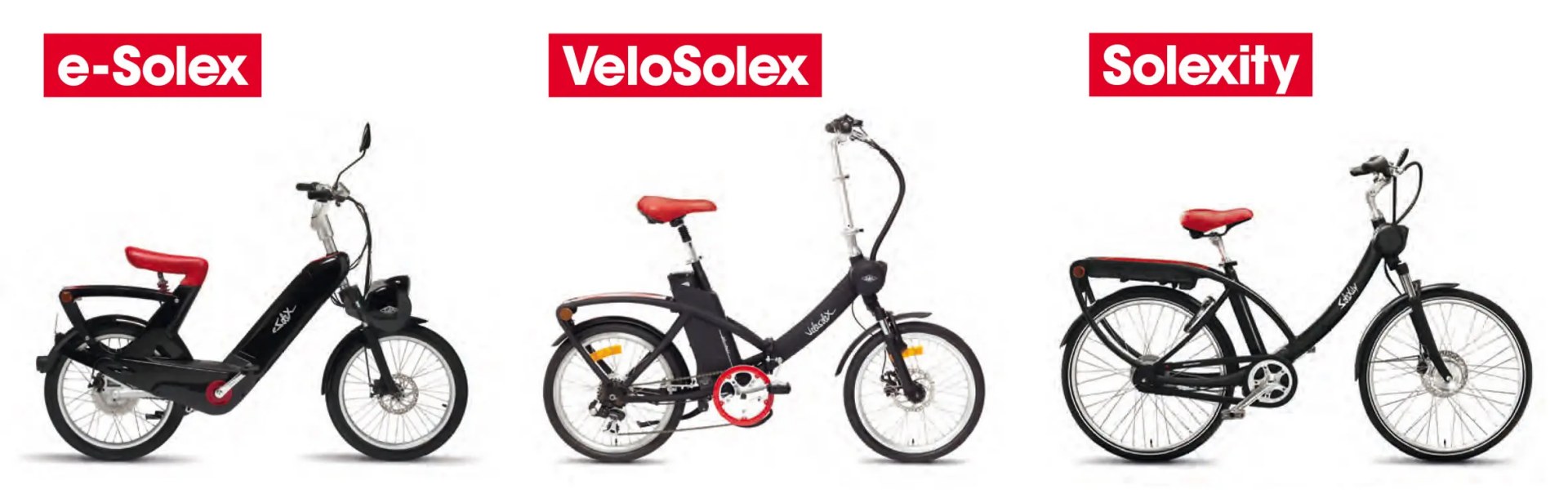
He e-Solex came to the market with a rate of 2,490 euroswhile the alternatives from the range itself, the Solexity and the VeloSolexwere located approximately in 1990 and 1,790 eurosrespectively. To put these amounts in context, it must be taken into account that we are talking about a product launched at a time when the electric bicycle and, above all, the electric moped, were still very far from current popularity.
The result was a rather curious paradox: the e-Solex It managed to attract attention for its design and for recovering a mythical name, but precisely what made it special also contributed to making it a difficult product to sell.
An electric Solex that even passed through Bonneville
But the history of e-Solex still has a curiosity. In August 2012, a unit reached Bonnevillethe famous American salt flat commonly used to set speed records, and participated in a particular record attempt for vehicles powered by unconventional systems.

Three Frenchmen traveled approximately 3.2 km at the controls of the small electric vehicle and managed to reach 32 km/h. It doesn’t seem like a spectacular speed until it is put into context: they were trying to establish a mark in one of the places most associated with speed records in the world and with a vehicle originally designed to move around the city. I guess they were “joking”…
Today, with electric bicycles and electric mopeds fully integrated into cities, the e-Solex It may seem like an idea ahead of its time. However, when it hit the market it still had to convince the public to pay a considerable amount for an electric vehicle with quite modest features.

And that was probably his big problem. He Solex original “succeeded because it was cheap, simple and practical.” He e-Solex It managed to be beautiful, different and technologically much more advanced, but it lost precisely one of the keys that had made the original a mass phenomenon: its ability to offer economic mobility to almost anyone.