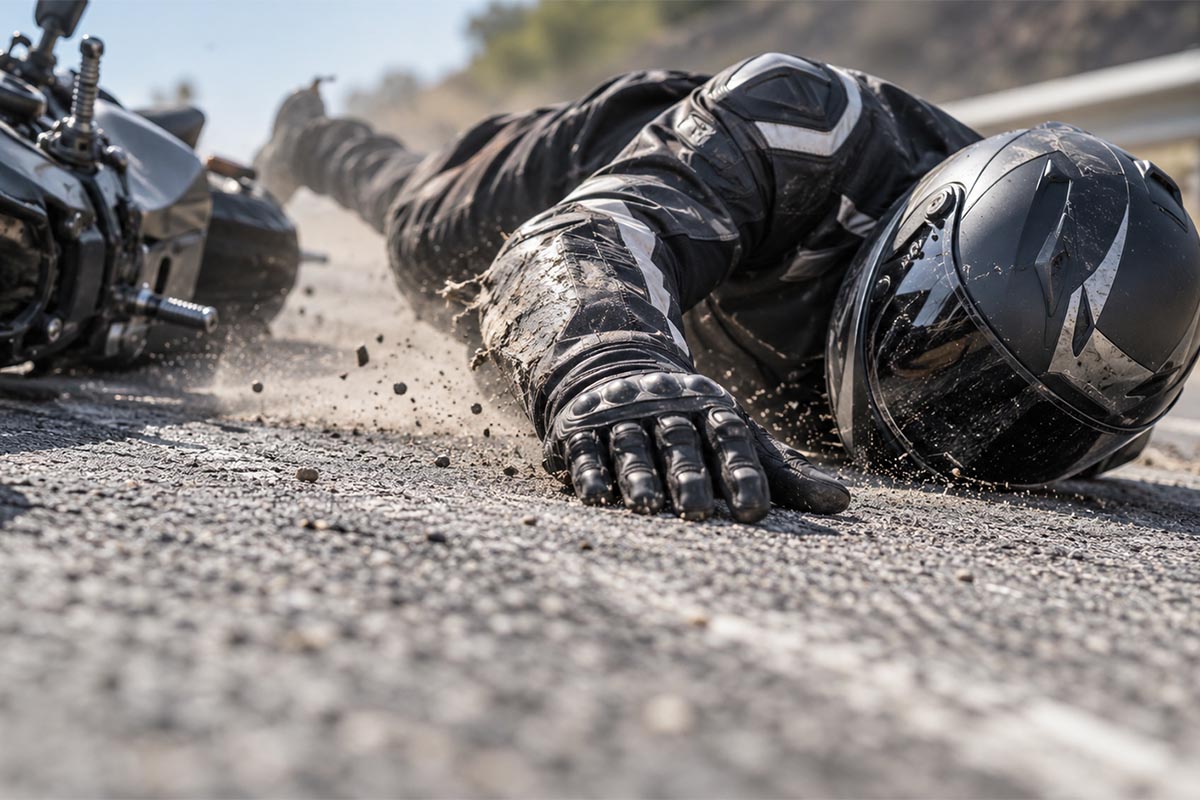
In general, things are always much more complex and have more edges and nooks than those seen with the naked eye. That is why it may seem that a regulation for motorcycle clothing, which seeks to unify safety criteria so that common minimums are met, is a good idea. But the passage of time shows us the opposite.
That is what can be deduced, at least, from the reports that MotoCAP has been carrying out for some time now, an independent Australian program that is responsible for evaluating different aspects of motorcycle clothing and that began its journey in 2018.

Since then it has been growing and to get an idea of its capacity, in the last year alone it has tested 173 garments including pants, gloves and jackets.
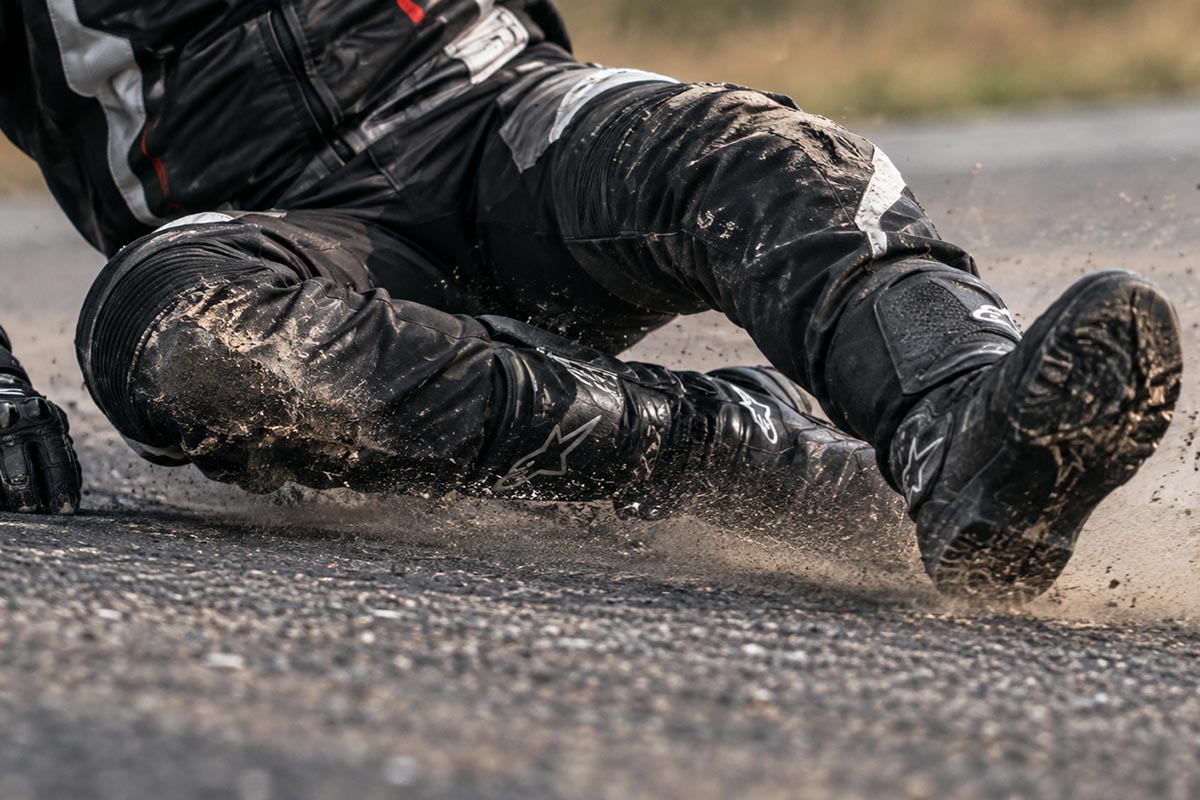
These tests seek nothing more than to give the consumer an idea of what they are buying in terms of equipment by measuring protection against impacts, abrasion, seam resistance… And the curious thing is that the results they have been obtaining in recent times mark a downward trend in protection.
But before that, there is also a curious section, and that is that they have come to the conclusion that urban asphalts tend to be less aggressive than those on roads and that means that their recommendations regarding the minimum quality of clothing vary depending on use.
Motorcycle clothing meets the standard, but the protection is low
Although returning to the topic of motorcycle clothing regulation in Europe and how it has affected it in a different way than expected, there are very revealing data. The first thing is that, as Chris Hurren tells his colleagues at Australian Motorcycle, the garments continue to comply with the regulations, but they have found a decrease in protection year after year.
And here comes the problem: according to MotoCAP, before EN 17092 there were products that offered better protection, but the regulation was so minimal that overcoming it was easy. How simple? Well, so much so that, year after year, some manufacturers have been reducing protection in their garments to reduce costs, and at the same time they have managed to pass the regulations without problems.
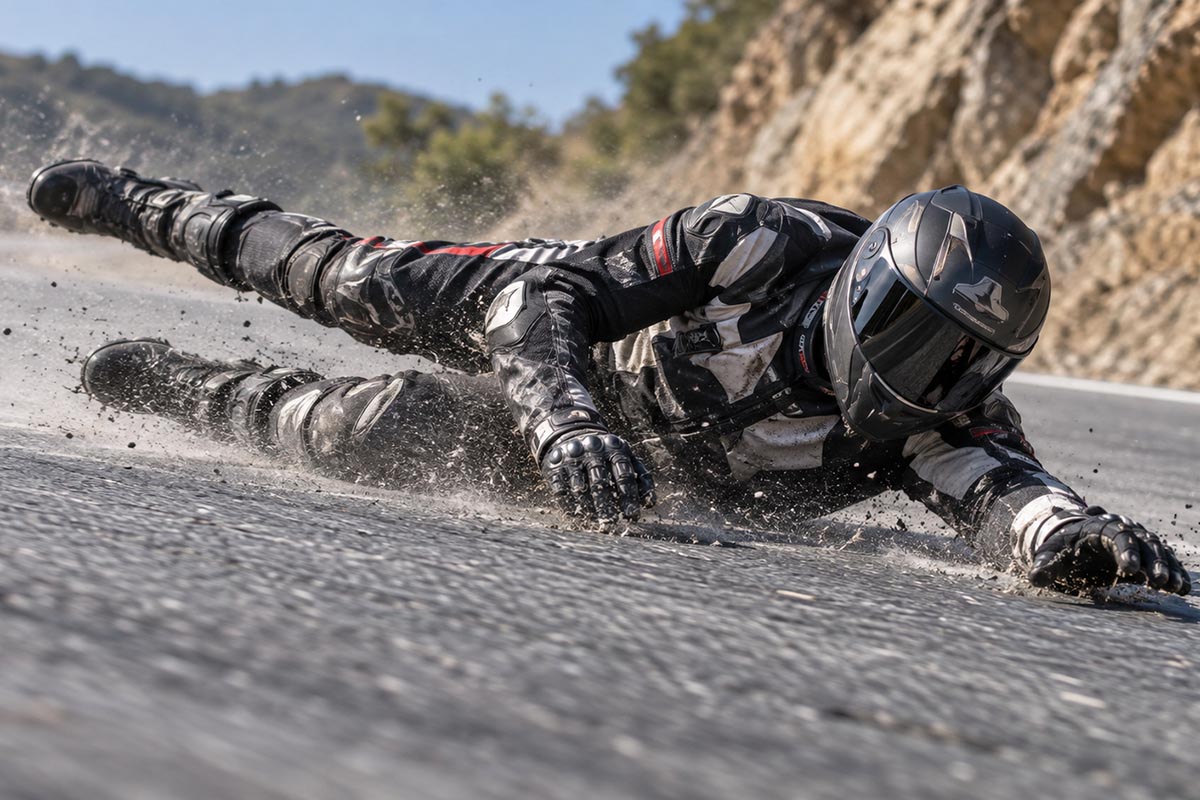
The point where the greatest decline in quality is being found is in abrasion resistance, with some single-layer jeans offering a similar performance against abrasion as normal jeans. To get an idea, without offering more data, the Australian says that there is a product that has gone from having a resistance of 3.7 seconds to staying at 1.2. All this without changing the price and, of course, managing to exceed the regulations.
Even so, it is always better to wear protection and, obviously, the higher the quality, the greater the protection. However, the bottom line of the issue is worrying and is that before the regulations there were those who made an effort to offer a good product, and now it is enough for them to simply comply with what the law specifies, making it clear once again that poorly made regulations always lead to the same path: the user is the one who pays the consequences.