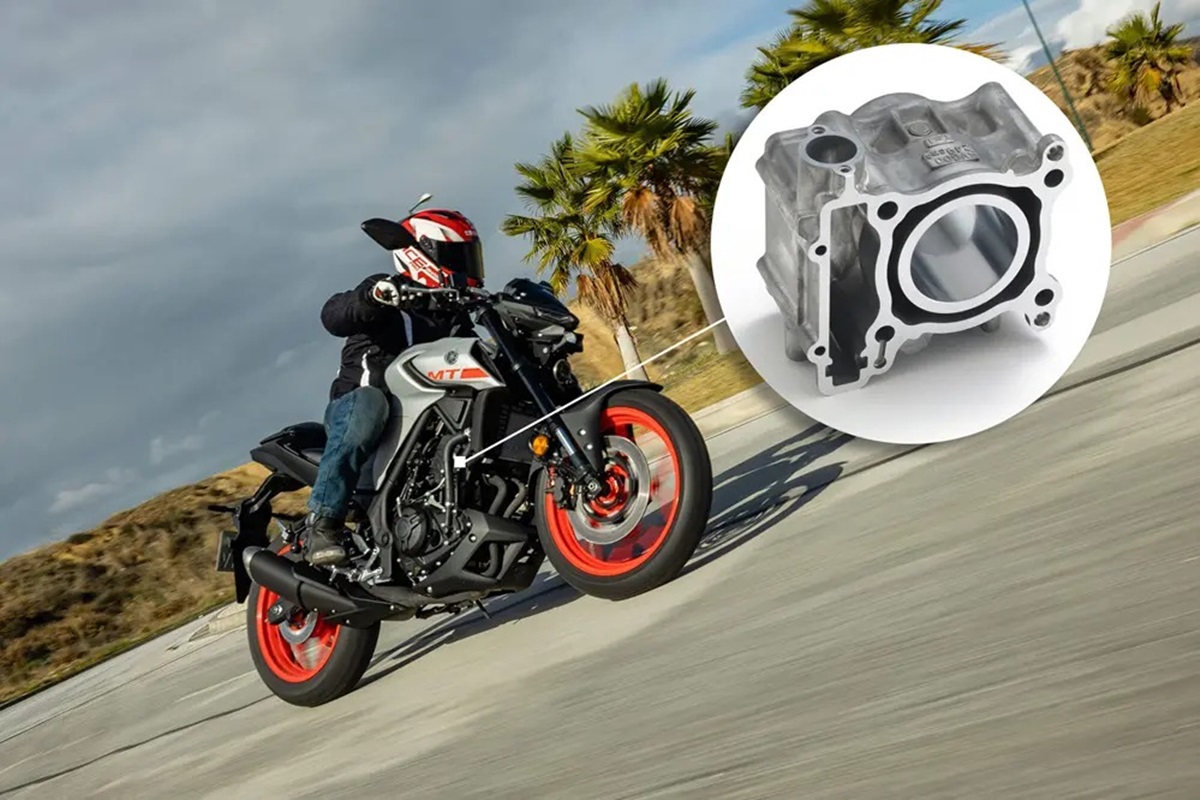
Yamaha Enginerecently announced that it will progressively replace conventional virgin aluminum used as raw material for its DiASil cylindersmade entirely of aluminum, using a recycled aluminum alloy. Once the changeover is completed in all products that use this component (planned for 2030), This transition is expected to reduce CO₂ emissions by approximately 47,000 tons annually.

DiASil cylinders mark the beginning of a change in the industrial model
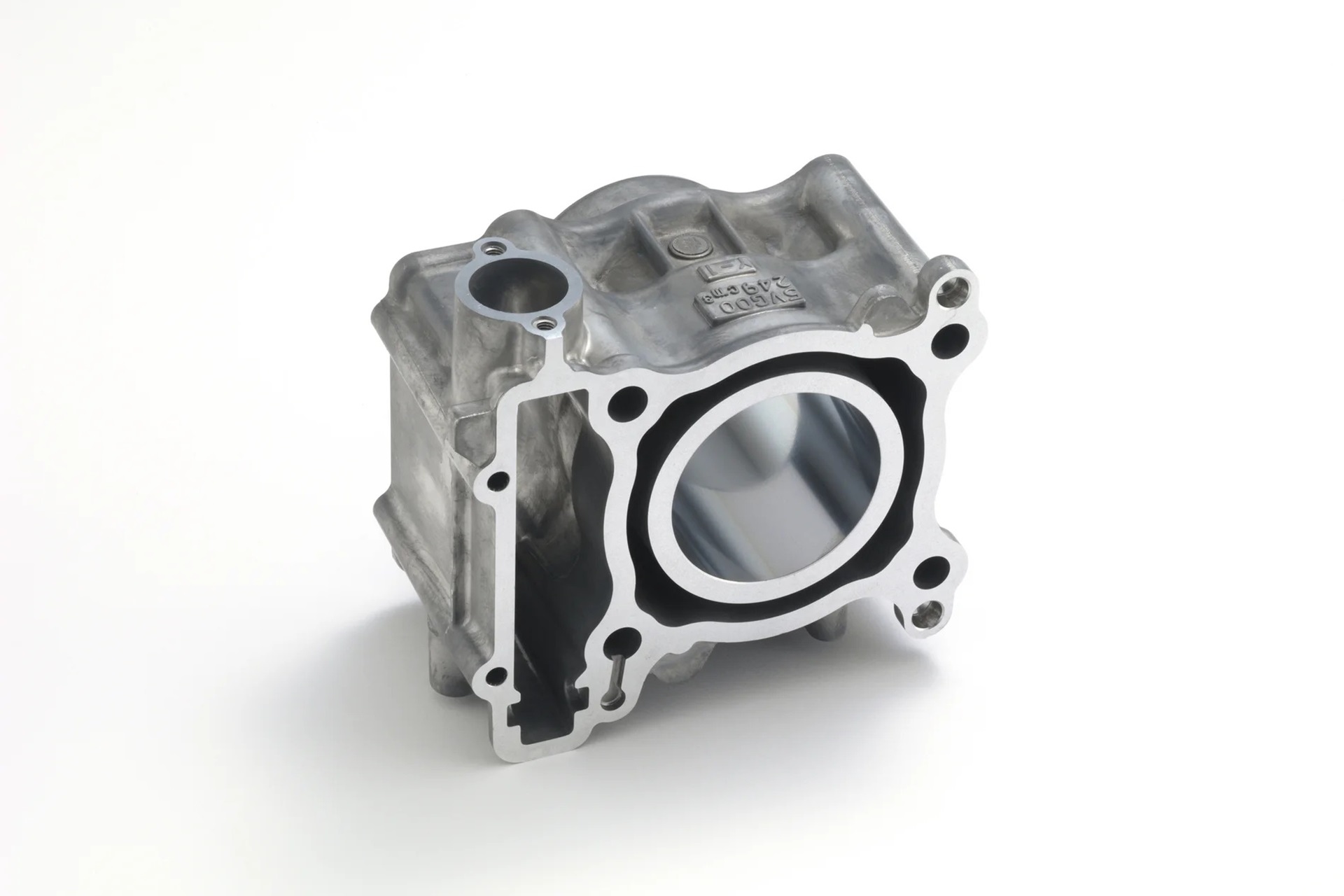
The DiASil cylinder is a design made entirely of aluminum which requires neither iron jacket nor coating. Thanks to its own manufacturing technology, Yamaha Motor became the first company in the world to successfully develop and apply this type of cylinderwhich today is used in various models of Yamaha motorcycles and scooters.
In addition to offering excellent resistance to wear and seizure, as well as a high heat dissipation capacity, the DiASil cylinder provides other advantages, such as lower weight, greater recyclability and lower manufacturing costs. Until now, Yamaha Motor has used virgin aluminum alloy as raw material for DiASil cylinders.
This is because conventional recycled materials contain traces of impurities, making it difficult to meet the strict quality standards required for DiASil cylinders in terms of metallic microstructure, surface properties, corrosion resistance and other characteristics.
An alloy designed under thermodynamic calculations
To address these challenges, Yamaha began developing a recycled aluminum alloy that offered properties comparable to virgin aluminum and could be used to manufacture parts and components using the same production processes.
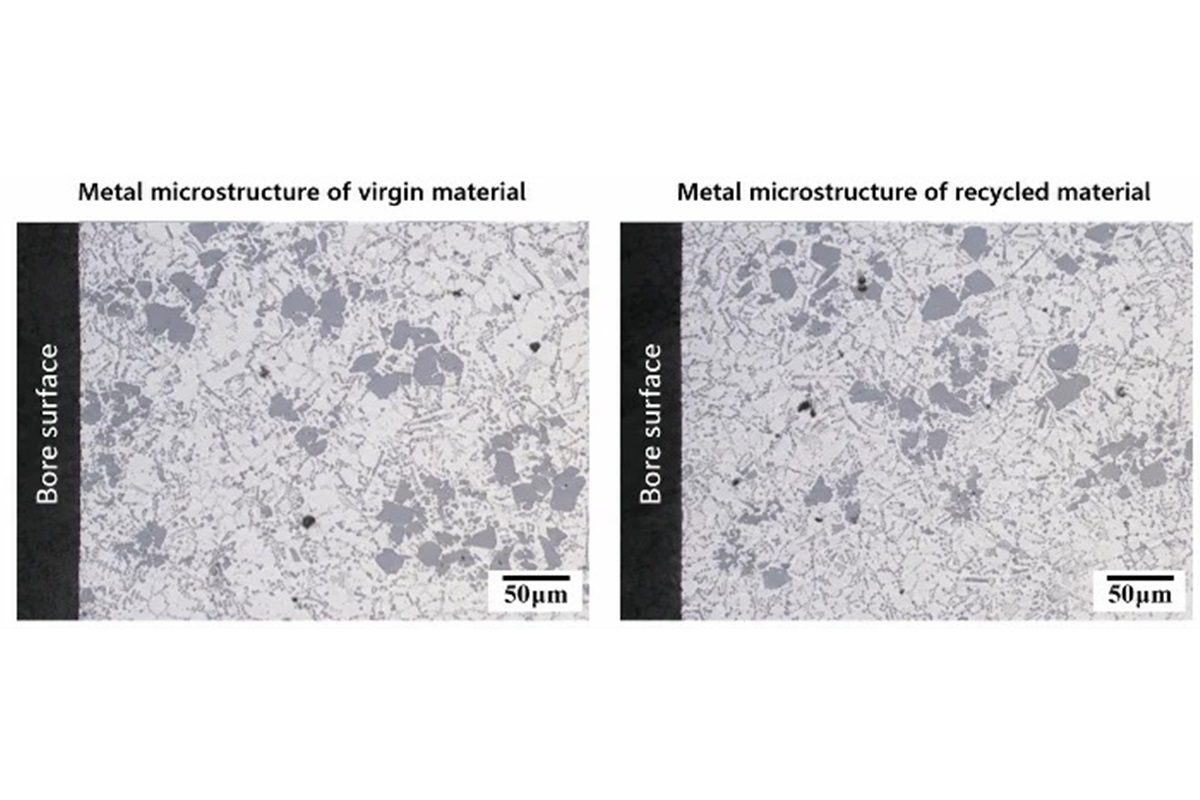
Starting with a materials design based on thermodynamic calculations, Yamaha carried out repeated bench tests and vehicle evaluations. During this process it was confirmed that the recycled alloy met all the functional requirements, which made it possible to decide on its practical application.
The transition to DiASil cylinders made from recycled aluminum alloy will begin with commuter models manufactured in Indonesia, with plans to expand global deployment in the future.
The sights set on 2050
Yamaha Motor, in line with its Environmental Plan, presented in 2018, is working to achieve carbon neutrality throughout its value chain, including the company’s commercial activities. In 2021, the brand reviewed its CO2 emissions reduction objectives of the aforementioned plan, establishing a new objective of aiming to achieve carbon neutrality by 2050 in all aspects of its commercial activities, including the entire life cycle of its products.
Then they stated: “This review of the 2050 Environmental Plan reestablishes Yamaha Motor Group’s vision (objectives) for 2050, as well as the results to be achieved by 2030 and 2035, respectively. We will formulate a medium-term plan every three years and advance initiatives and activities towards these objectives.”
Now, as part of these efforts, Yamaha Motor aims to replace 100% of the aluminum raw materials used in its own manufacturing processes with sustainable alternatives by 2030, and this initiative represents one of the key measures to achieve that goal.