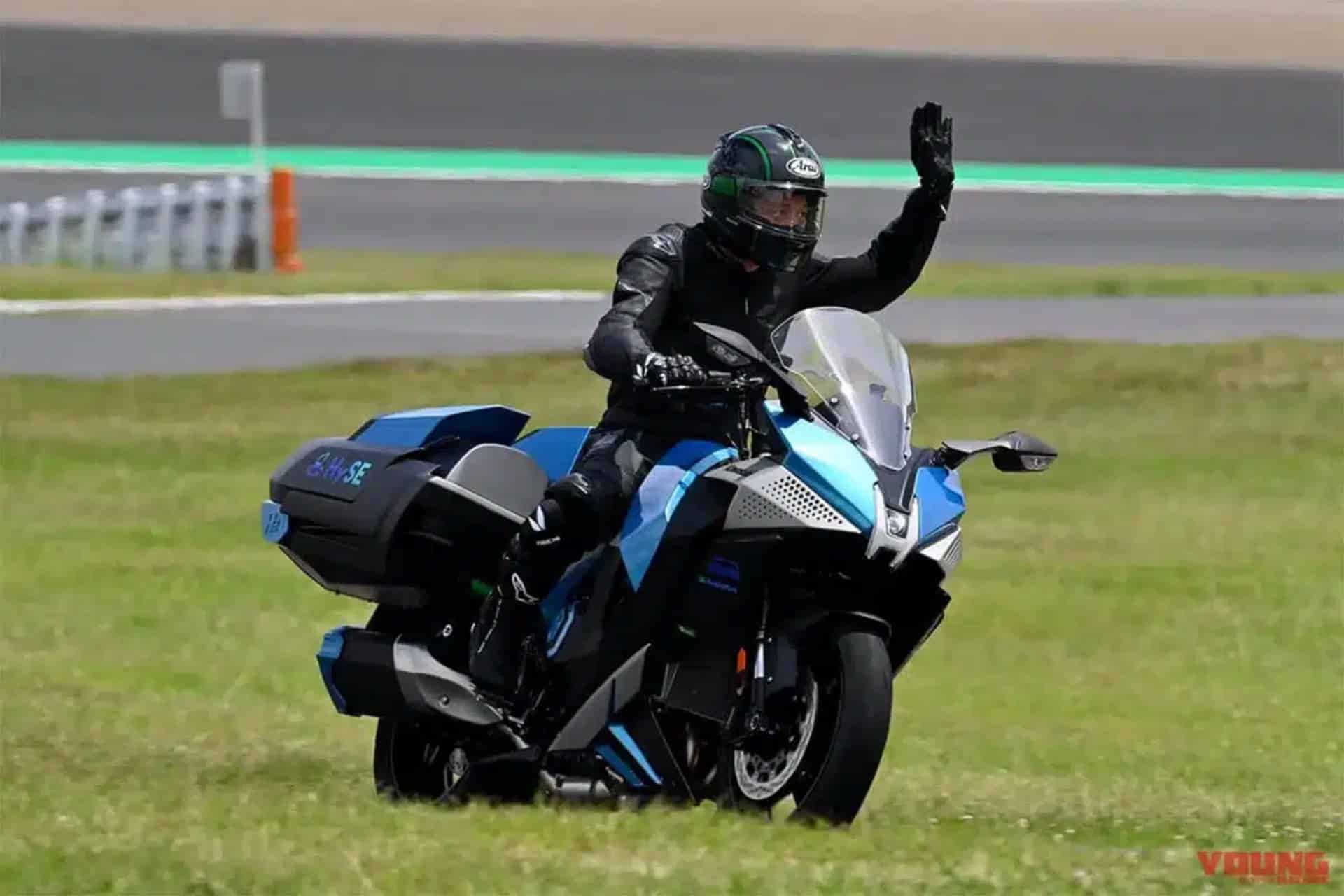
Hydrogen has been considered for years as one of the great candidates to boost cleaner mobility. Its lightness, abundance and the ability to generate energy without leaving pollutant emissions behind them have made it a very attractive resource for both the industry and for public administrations that seek to progressively replace fossil fuels.
Even so, its jump to daily use vehicles has been slowed down by technological barriers and high costs that, until recently, seemed impossible to overcome. Now, a group of researchers from the University of Kyushu, in Japan, claims to have taken a step that could change the course of this story.
They have developed a more compact hydrogen fuel battery, less expensive and, above all, with a much easier temperatures range to handle. Could this be the impulse that motorcycles needed to definitely embrace hydrogen?
The problem has always been the same: the cost, complexity and extreme conditions required by technology. Solid oxide fuel batteries (SOFC), the most efficient in energy terms, only work stable above 700 °. In an industrial environment, these temperatures are assumed. But, on a motorcycle, where every gram and every centimeter counts, it is practically unfeasible.
Kyushu’s advance regarding hydrogen
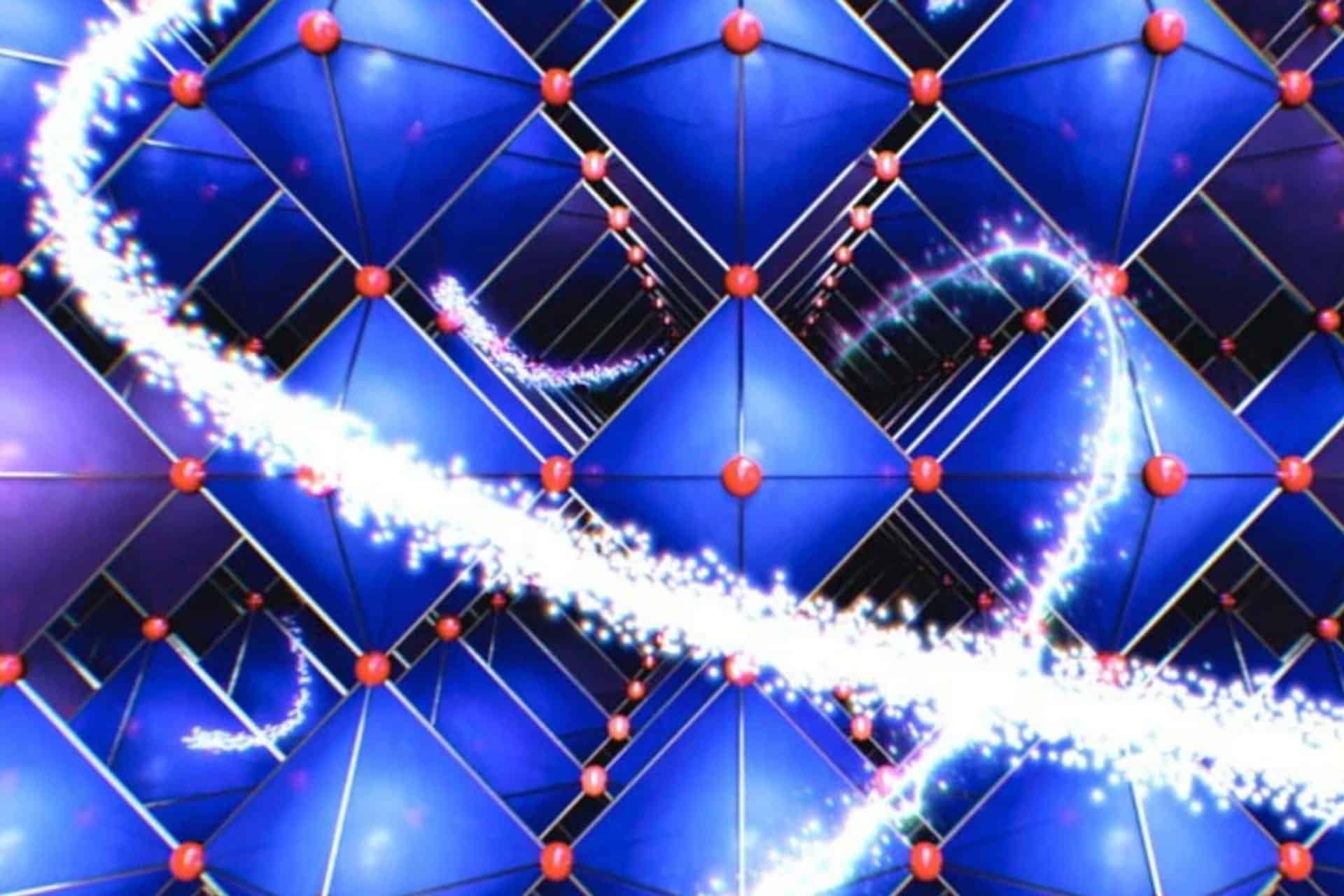
The innovative of the Japanese team lies in having designed a pile of monochronic silicon fuel that can operate around 300 °. Although it is still a high level, it means reducing the usual temperature of these cells, which opens the door to more accessible materials, less need for thermal insulation and, consequently, a more compact and economical device.
The key is in the electrolyte, the internal part responsible for facilitating the movement of protons. Until now, the additives used to accelerate the chemical reaction ended up hindering the flow of hydrogen. Kyushu scientists have developed a mixture based on barium and barium titanate, reinforced with scandio, an unusual metal. The result, according to them, is a kind of “proton highway”, in which ions circulate with less resistance and more speed.
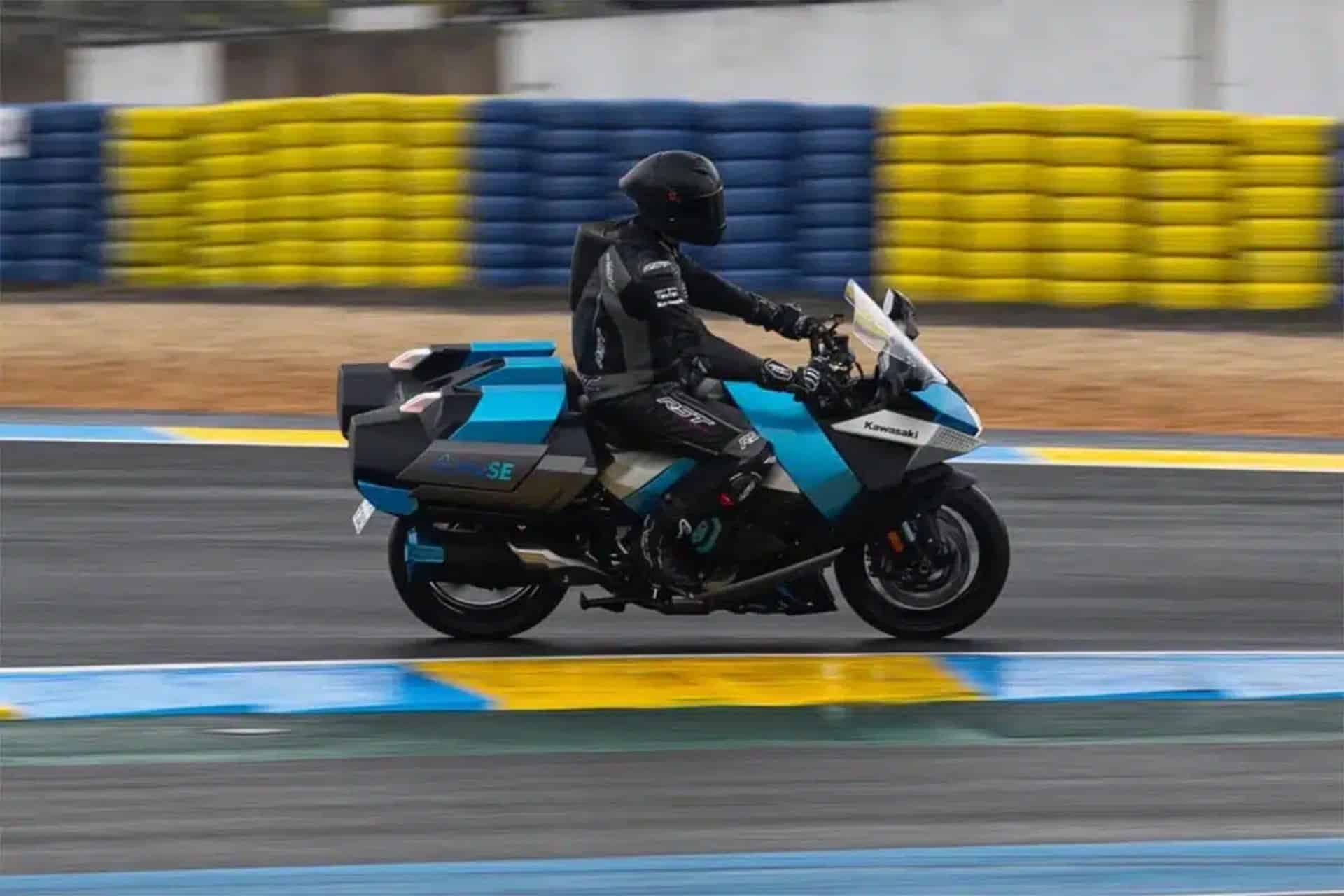
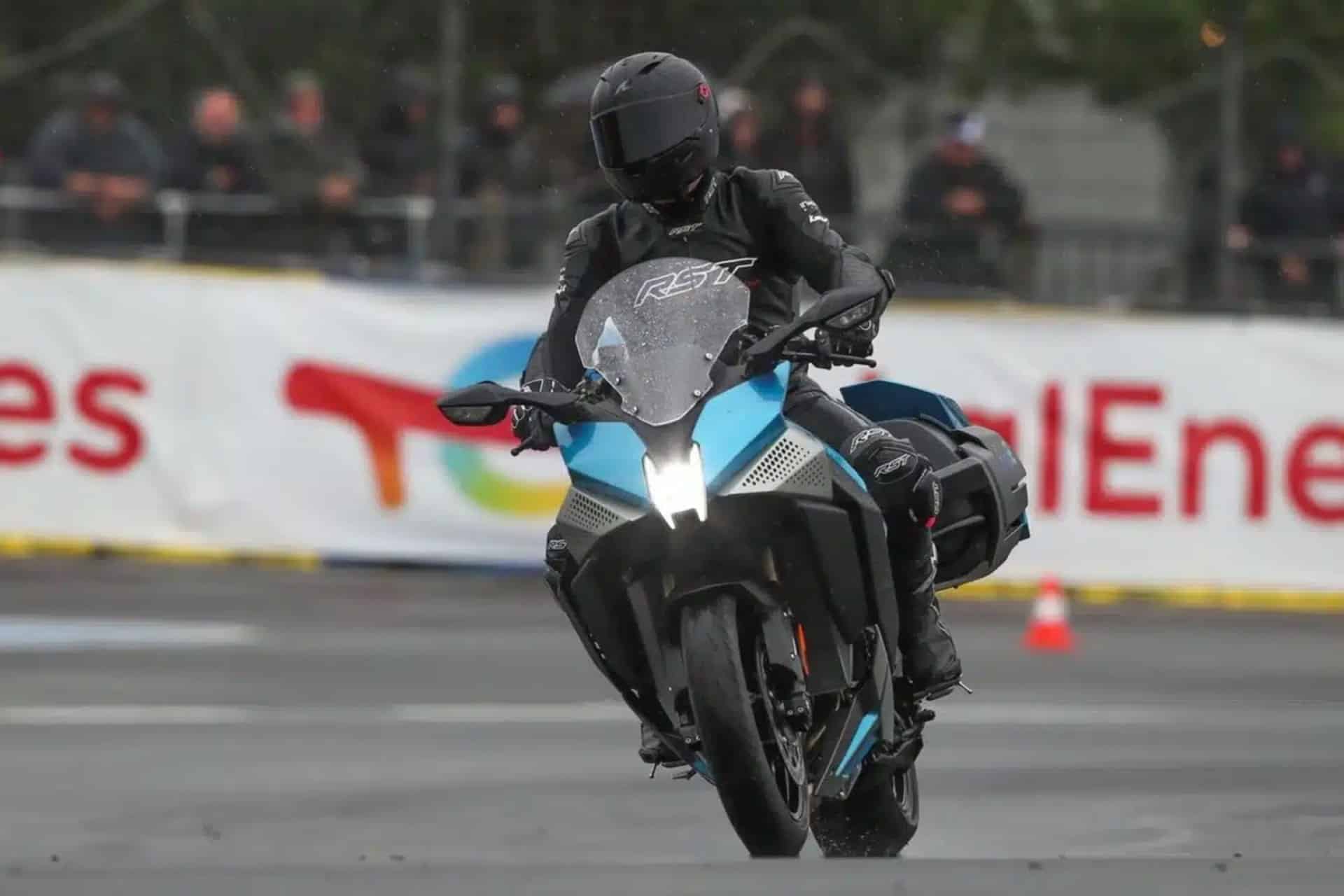
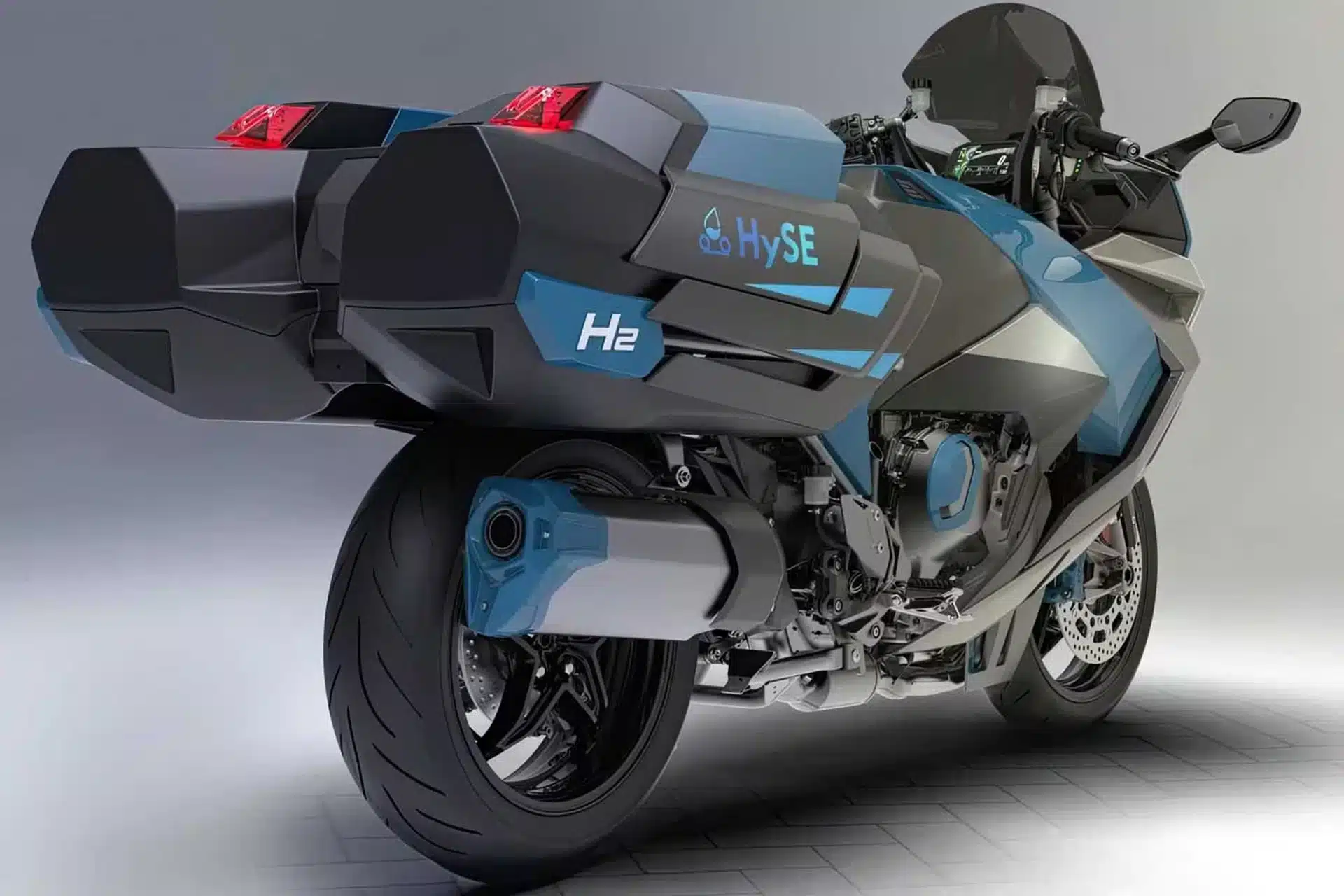
If this technology manages to leave the laboratory and become a real product, the implications for the two wheels would be huge. An electric motorcycle fuel fuel could offer the best of both worlds. That is, an instantaneous and continuous response, as in any electric motorcycle. Quick refueling, similar to a gasoline motorcycle. Greater autonomy than most current electric motorcycles, thanks to the energy density of hydrogen and zero local emissions. Since the only byproduct of the reaction is water vapor.
However promising this progress is, the reality is that today reproducing hydrogen is a challenge. In Japan and California there are public hydrogen service stations, but in Europe, except for very specific cases such as Germany, the network is almost non -existent. Spain, for example, barely has a few “hydrogeneras”, mostly oriented at private floats or pilot projects.
In addition, producing hydrogen in a truly sustainable way is still expensive: most still comes from natural gas, which generates emissions in the process. Green hydrogen, obtained from electrolysis with renewable energy, is the great goal, but needs to lower costs and increase its availability.
It is unlikely that in the short term a hydrogen supercar arrives at the dealers, but the horizon begins to clear. Fairs such as the Tokyo Auto Salon or Intermot could become prototype shop windows increasingly close to production.
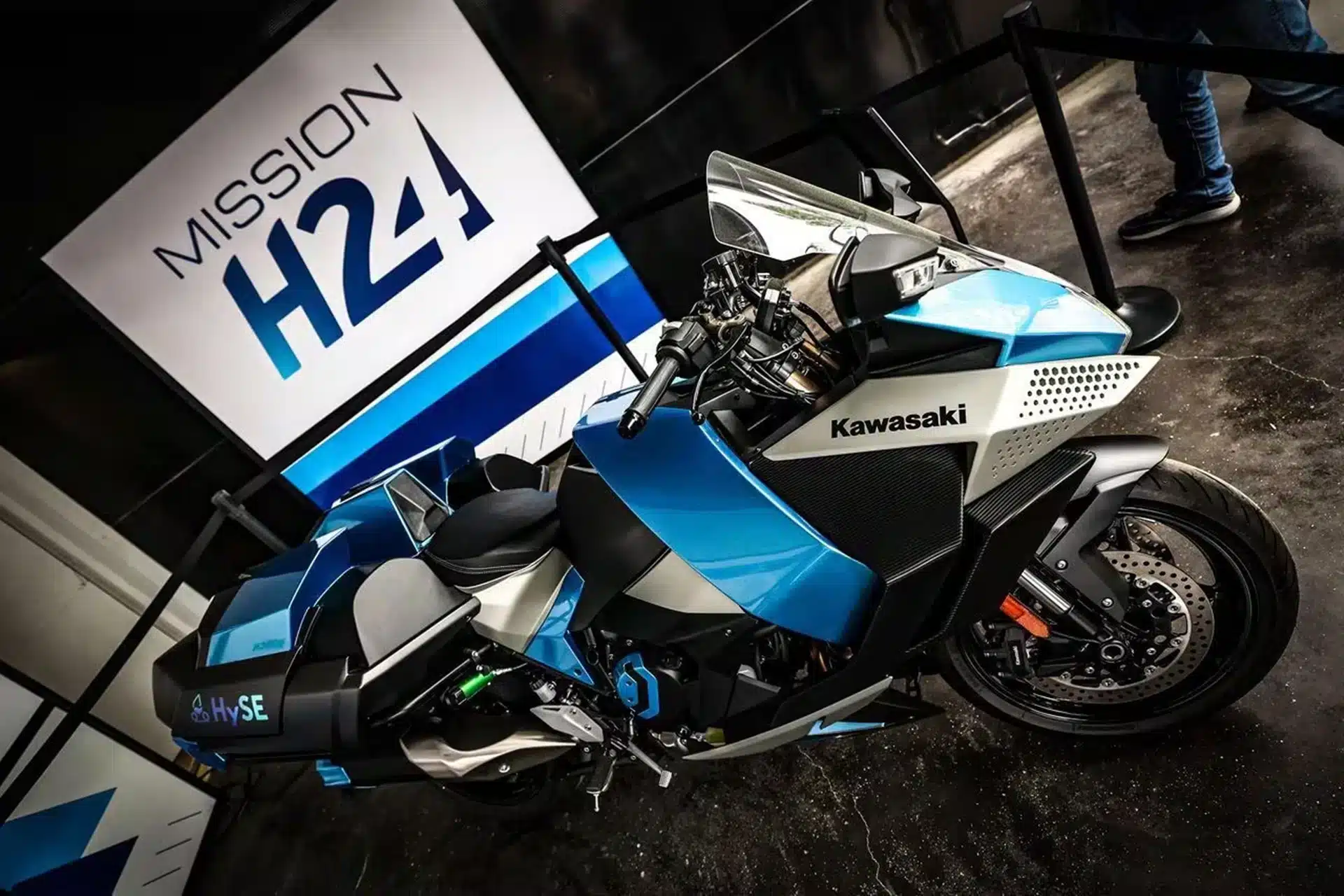
If the Kyushu battery is confirmed as viable at an industrial scale, the scenario changes. Repossess in minutes with autonomies similar to a combustion motorcycle, electric motorcycle benefits and all this with clean emissions. A balance that until now seemed impossible.
The road will not be immediate, but what a few years ago sounded for science fiction begins to feel like a real possibility. And, for motorists, imagining a future in which to fill the tank with hydrogen is as simple as with gasoline, but with the silence and softness of an electric, it is undoubtedly an exciting perspective.