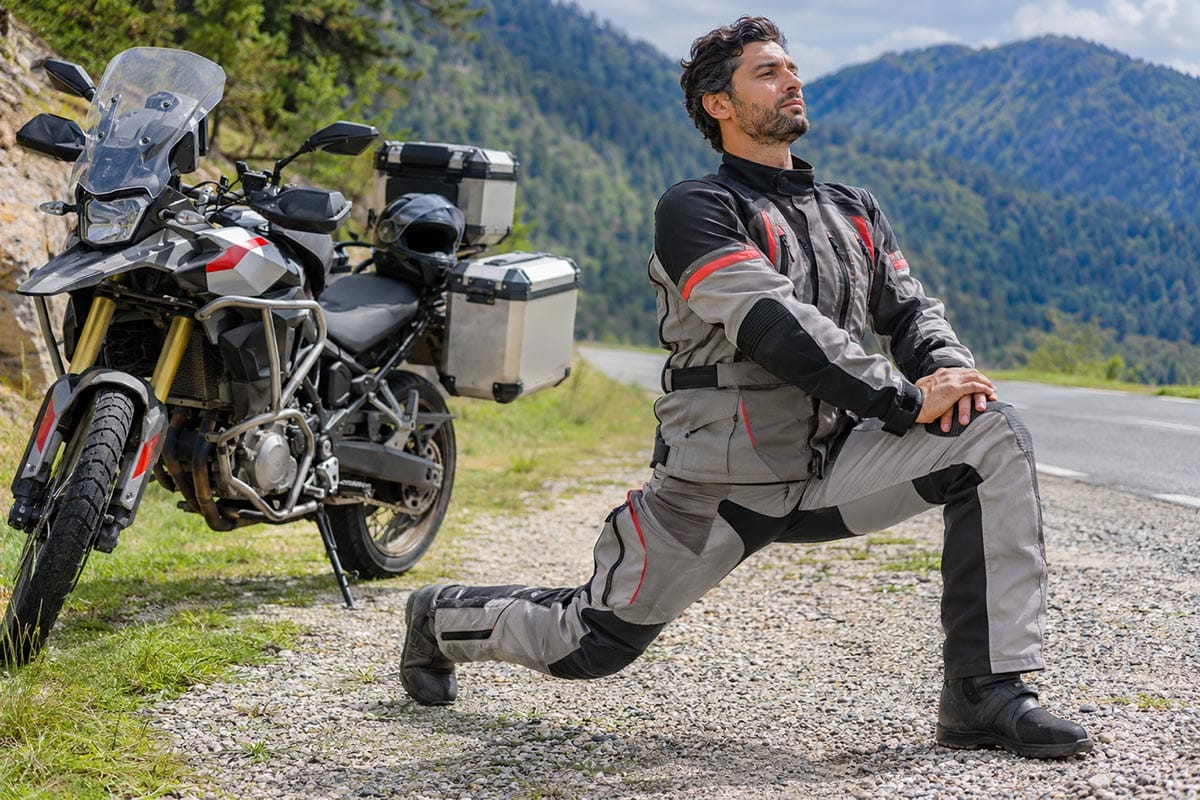
After riding a good route and putting a good handful of kilometers on your back, getting off the bike has something of a ceremony, especially as the years go by. We stretch our backs, move our legs and, more than once, we notice that certain parts of the body have not yet fully returned from the trip. It is a topic that is not usually talked about, but that more than one has asked at some point: can so many hours of sitting affect intimate health?
Science has an answer, but only half. There are studies on the subject, although they have been done with cyclists and not with motorcycle users, so what they say must be taken as a clue and not as a conclusion for those of us who ride with an engine between our legs.
The most complete is a meta-analysis published in 2021 in Sexual Medicine Reviews, which brought together six studies with 3,330 cyclists and 1,524 people who did not ride bikes. When comparing the two groups together, no differences appeared, but when faced with people of the same age and with the same health status, cyclists had twice the risk of suffering from erectile dysfunction. Of course, the authors themselves warned that the evidence is still limited. An older American study even placed the threshold at which the risk could increase at three hours a week.
And not all the results go in the same direction. Research conducted in California in 2018 with almost 2,800 cyclists found sexual health comparable to that of swimmers and runners, although it did detect problems with numbness and irritation caused by the saddle. A review published in 2025 later confirmed this relationship with genital numbness.
What does it have to do with the motorcycle and how to avoid dysfunction if we use it a lot
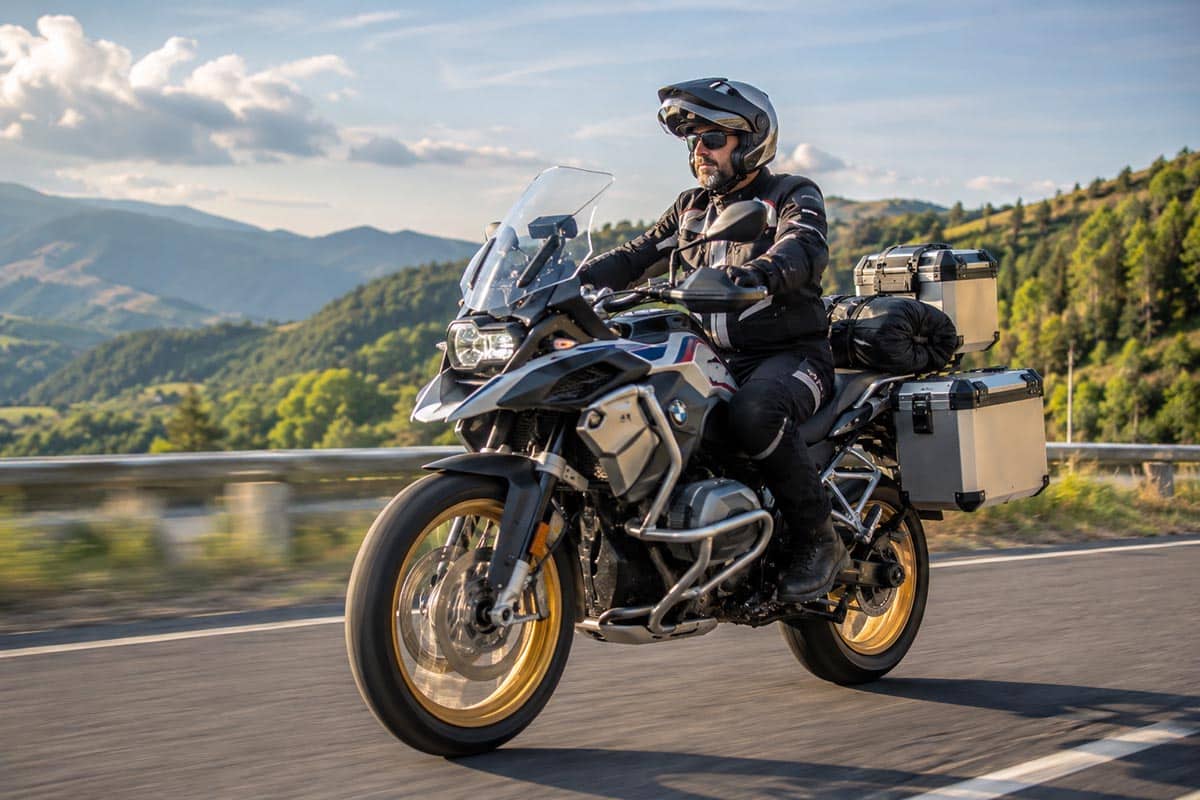
What the bike and the motorcycle share is the prolonged pressure on the perineum, the area located between the genitals and the anus, through which many nerves and blood vessels pass. It is true that the seat of a motorcycle is much wider than a saddle and distributes the weight better, but also that on a motorcycle we can spend many more hours sitting almost without realizing it.
The good news is that prevention costs nothing. Changing your position from time to time, even if it’s just sitting up on the footpegs a little, and making regular stops on long trips helps the area recover. It is also advisable to choose a seat that adapts to our anatomy, because not all of them are suitable for everyone, and wear comfortable clothing that does not constrict where it should not.
Of course, if the tingling appears often or takes a while to go away, it is best to put the embarrassment aside and make an appointment with the urologist.