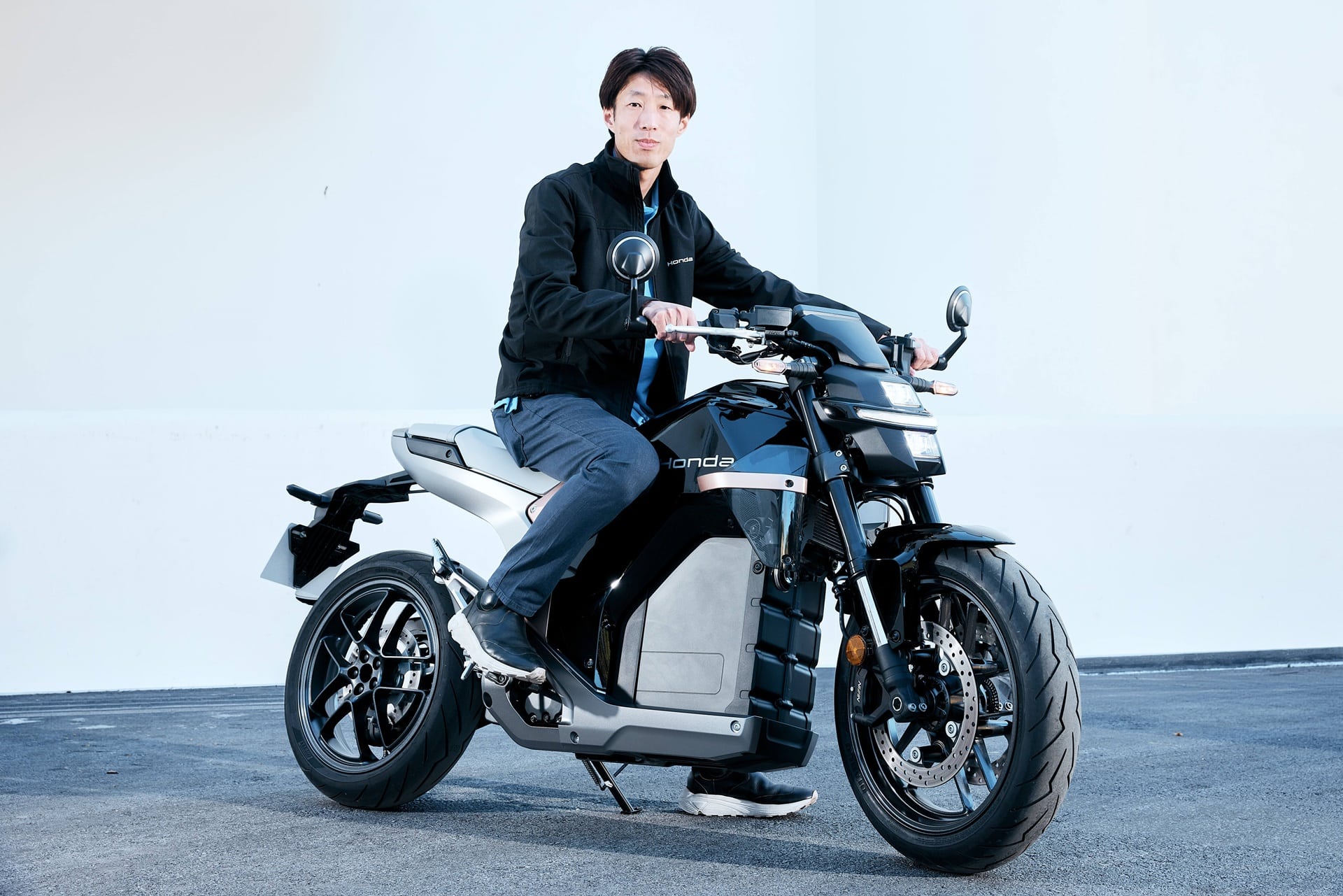
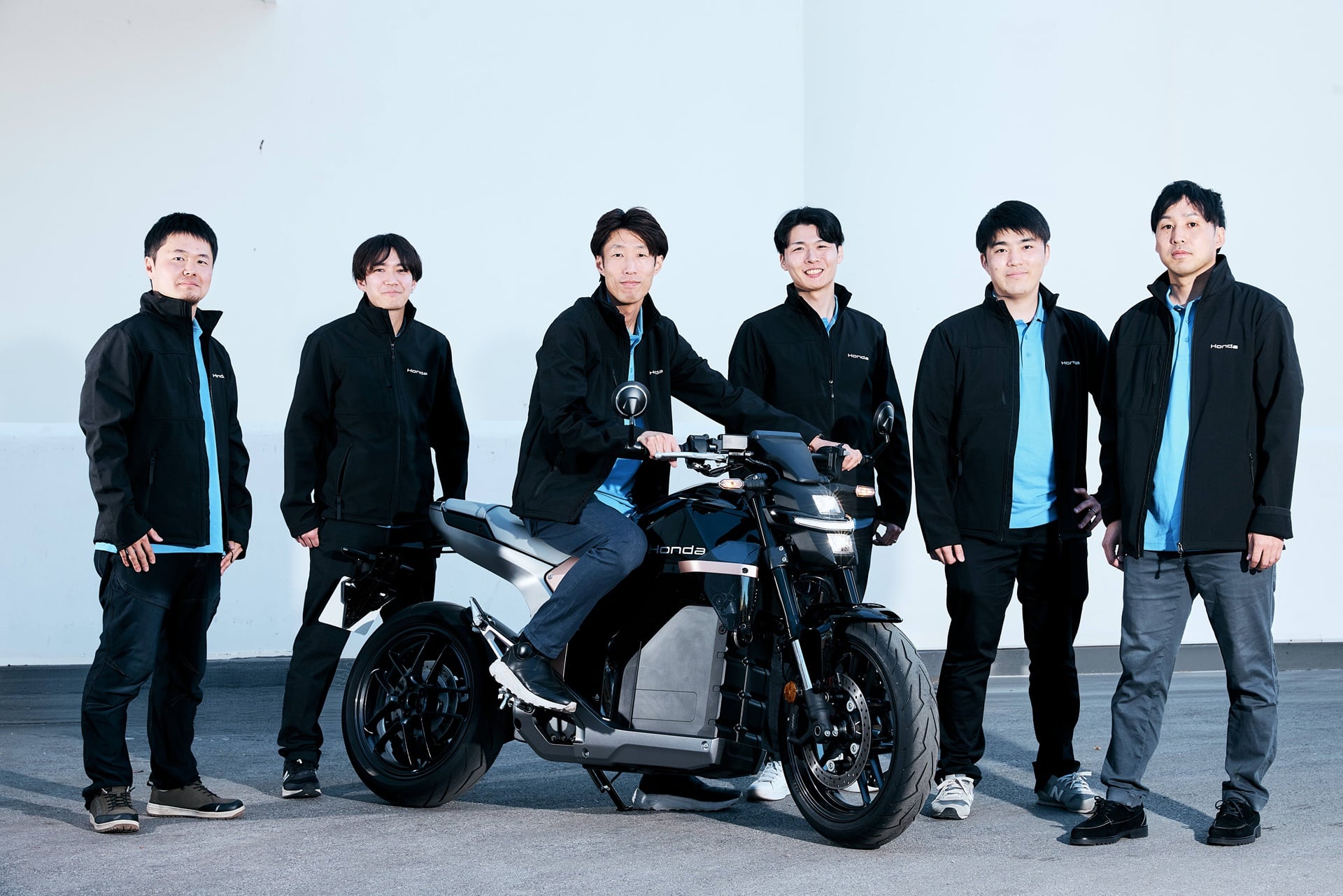
For more than seven decades, Honda has focused its efforts on the design and development of a wide variety of internal combustion models. With the brand’s first electric motorcycle, the Honda WN7, arriving at European dealerships this summer, the project’s chief engineer, Masatsugu Tanaka, explains the philosophy behind its development.

Honda WN7: “Be the wind”
From Honda they explain how all the knowledge accumulated during decades of developing gasoline motorcycles was transferred directly to the project. What changed was not the objective, but the way to achieve it. Tanaka comments: “Whether combustion or electric, a motorcycle still rolls on two wheels. The fundamental nature of accelerating, braking and cornering does not change.”
From the beginning, the team set a clear limit: “We are not going to create an electric motorcycle that is simply a copy of a gasoline motorcycle”. Electric propulsion should not be a substitute for combustion, but should justify itself. This determination forced us to question deeply rooted concepts. The intake and exhaust sound, the pulse transmitted through the chassis, the mechanical crescendo when opening the gas, etc.
These sensations have traditionally defined the character of a motorcycle and also the rider’s expectations. “Precisely because these sensations are so important, the possibility of losing them generated fear”Tanaka-san acknowledges, noting that these doubts existed not only among customers, but also within Honda’s own engineering team.
From this reflection the inspiration for the project arose: the absence of engine noise became its starting point, not a limitation. “It was not about replacing the engine, but about designing an experience that a combustion engine could never offer.” Silence allowed us to discover new sensory layers: air pressure, the contact of the tire with the asphalt, the ambient sounds of the city or a mountain road.
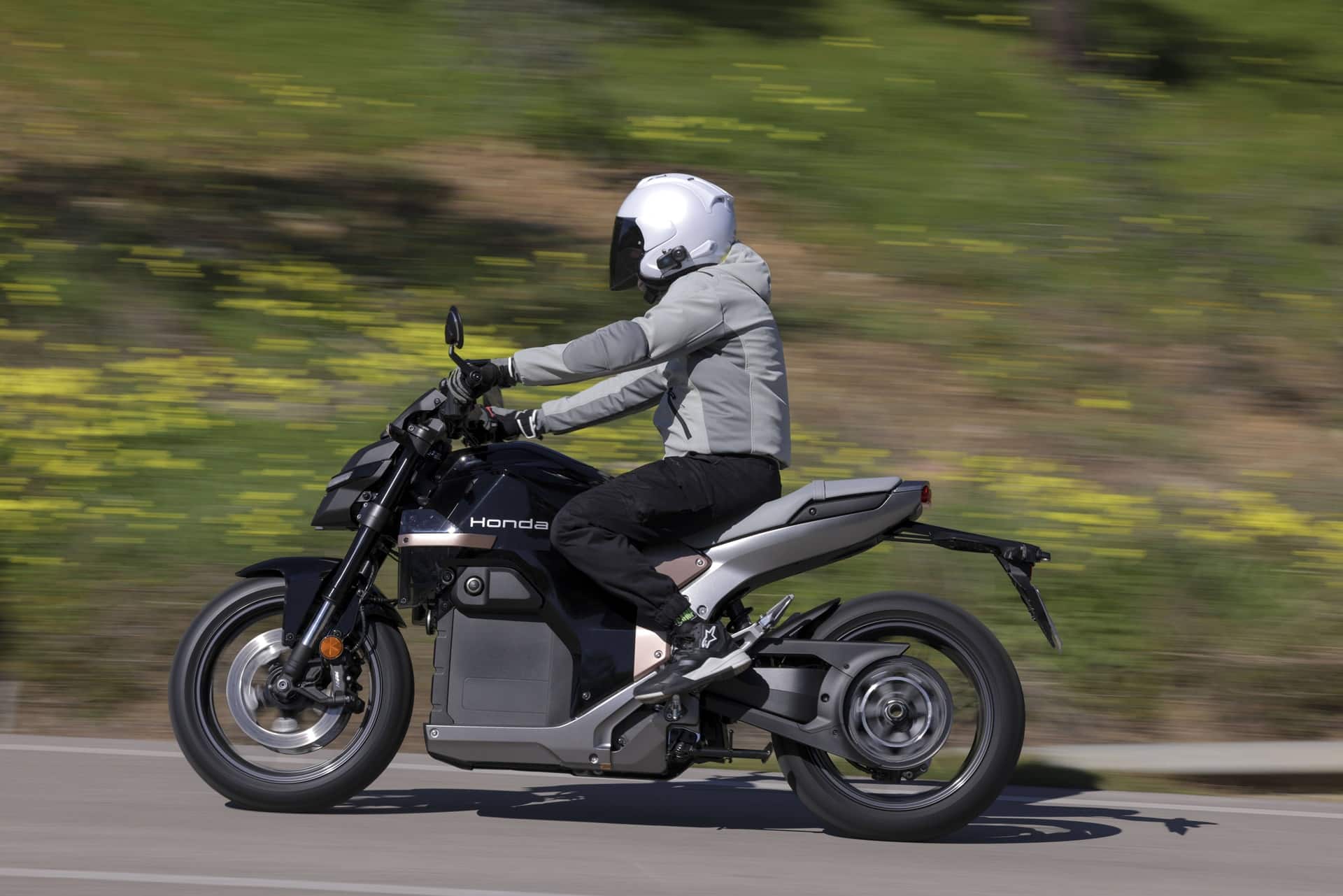
Without the vibrations of the heat engine, a linear and direct throttle response could be even more pleasant, according to the idea on which this project is based. “Feeling the wind has always been a natural part of motorcycling, expressed in phrases like “Feel the wind” or “Like the wind.” The Honda WN7 has been conceived to be the wind, “Be the Wind.”
“A motorcycle where you really become the wind”explains Tanaka-san. “Its acceleration and deceleration are designed to feel fluid and continuous, allowing the rhythm to be precisely modulated. Instead of mechanical stress, there is fluidity. Instead of the sound of the engine, a greater awareness of the environment”. The character of the motorcycle is defined, according to Tanaka-san, by “a sense of unity with the environment.”
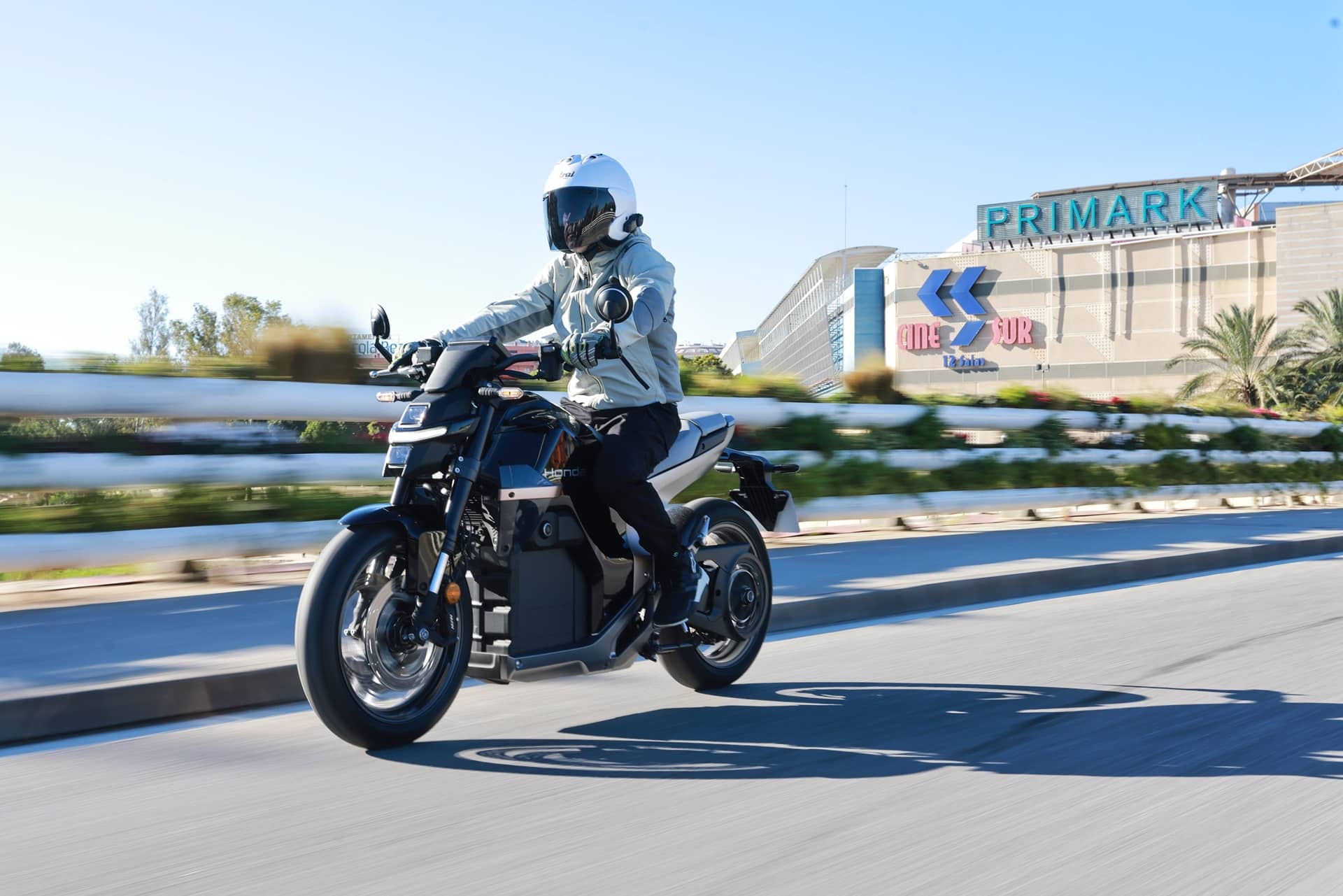
The natural sounds perceived in the silence, the air that runs through the body and the direct and linear delivery of the torque. The goal was not to artificially recreate traditional sensations, but to establish a different type of connection between rider, machine and environment. This change was also reflected in the design. Functional beauty, Honda’s historical principle, was reinterpreted around electrical architecture.
“In combustion vehicles, many visual elements such as the engine or the tank defined the ‘motorcyclist’”explains Tanaka-san. “With electricity, these disappear. However, the essence of ‘a person riding’ remains the same. Therefore, we treat the battery and motor as integral elements of the structure and design, seeking functional beauty through refinement. This is the new motorcycle design for the electric era.”
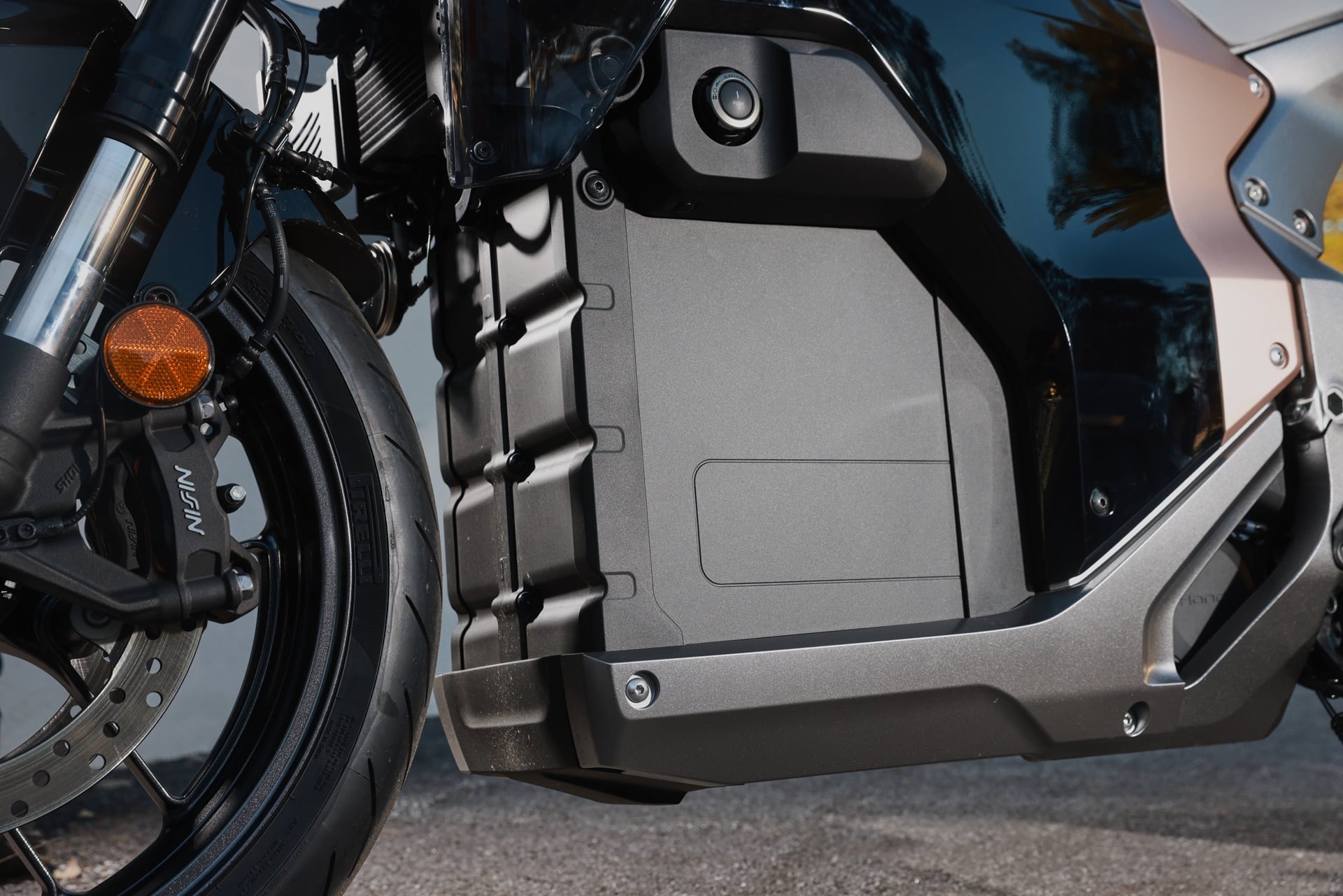
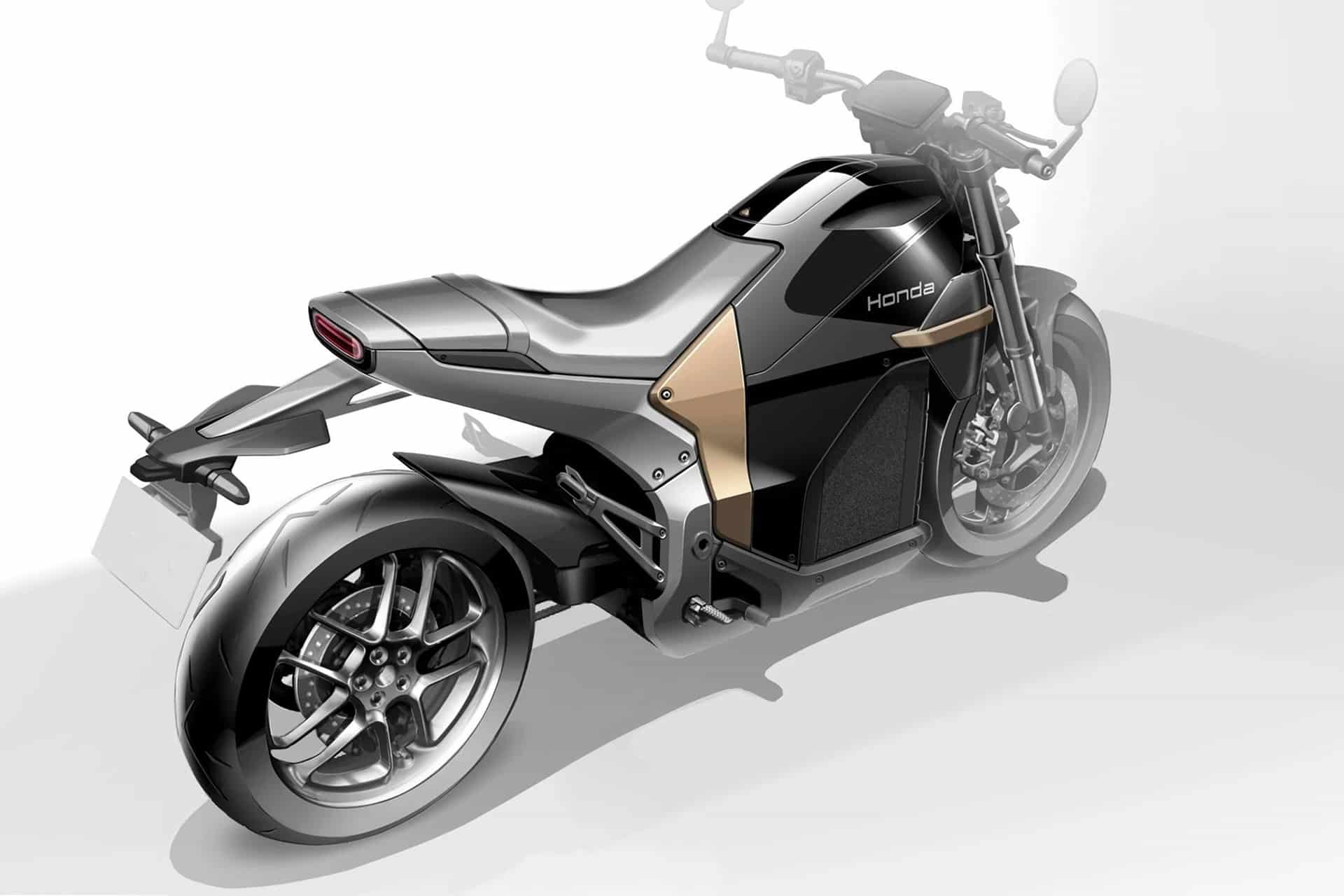
The design eliminates unnecessary “noise”, with a sleek, continuous body that conveys universal beauty and offers freedom and agility, combined with lustrous, delicate surfaces that gently capture the ambient light of the city at night, reflecting buildings and streetlights as sparkles that flow across their surface. The technical details reinforce the dynamic character of the Honda WN7.
The single-sided swingarm accentuates the presence of the rear tire, while the belt drive – used for the first time on a Honda motorcycle – eliminates chain noise and enhances the feeling of silence. In line with the ‘Be the Wind’ concept, unnecessary vibrations and noise are eliminated to offer a pure driving experience. This level of attention to detail has not gone unnoticed.
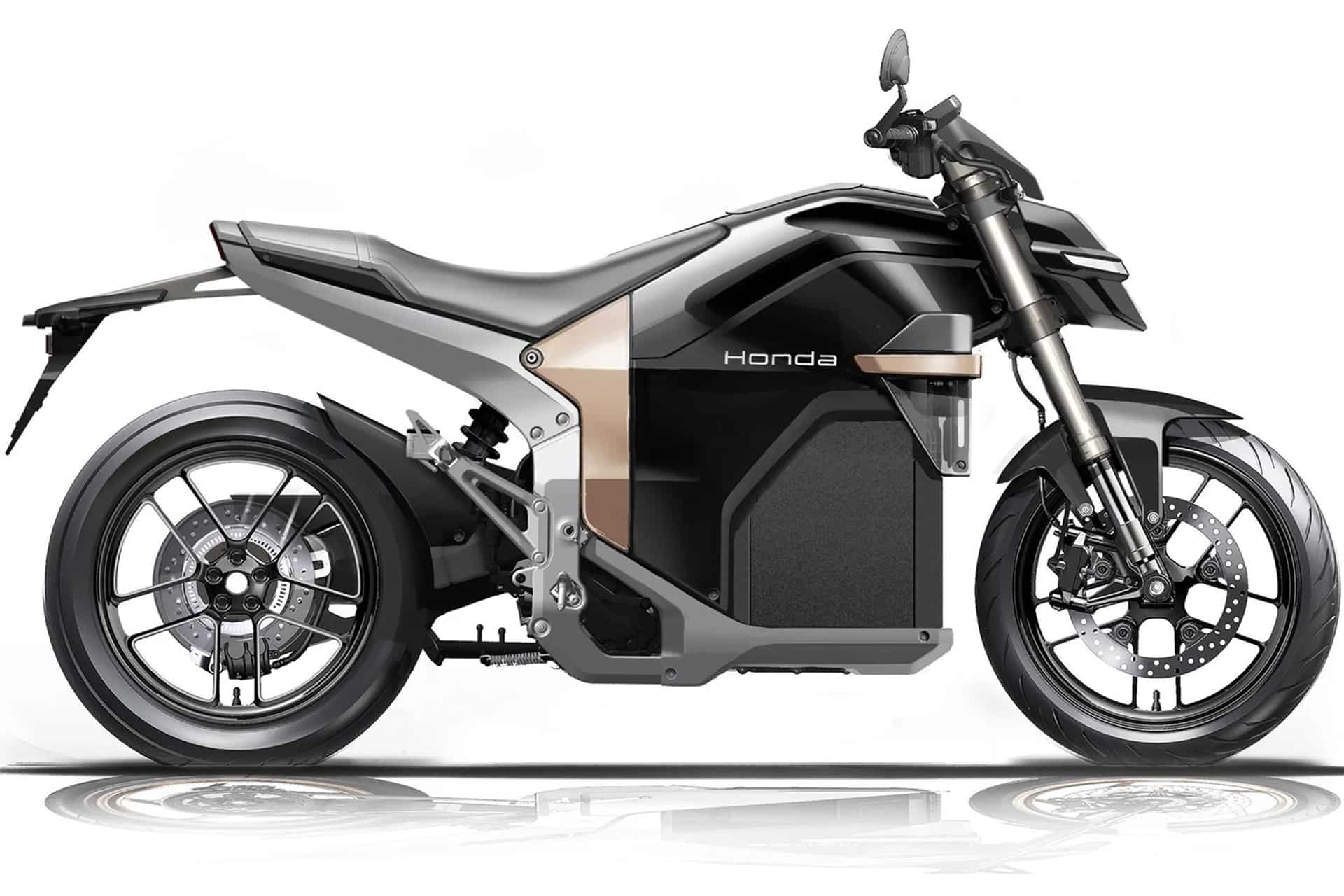
In 2026, the Honda WN7 has already received two prestigious design awards. In March it obtained the Gold Award at the iF Design Awards, where the jury highlighted that the motorcycle “masterfully combines classic Honda DNA with a confident electric identity.” It was also praised for “respecting Honda’s heritage while embracing a clean energy aesthetic, achieving an authentic and unforced synthesis.” These assessments were reaffirmed by the Red Dot Design Awards 2026, where the WN7 received the “Best of the Best” award.
The weight of the battery, its integration and thermal management were some of the biggest challenges. Instead of seeing them as simple limitations, the team used them as an opportunity to optimize overall balance. By centralizing the masses and adjusting the chassis to the dimensions of the battery, we sought to combine high-speed stability with a light and agile feel. The dynamic fundamentals—accelerating, turning and braking—remained the basis.
Customer concerns around battery reliability were taken very seriously. The studies revealed widespread concern about the durability of electric motorcycles. In response, Honda applied its strict development processes, subjecting the battery system to extensive and repeated internal testing. The Honda WN7 is the brand’s first electric model with a fixed battery.
This required new approaches not only in engineering, but also in purchasing, production and sales. Even so, the general policy remained intact: to offer quality at the Honda level. Charging infrastructure was another key factor. “From the beginning, the Honda WN7 was designed to adopt the same charging standards as cars, allowing it to be used both at home and on the public network”explains Tanaka-san.
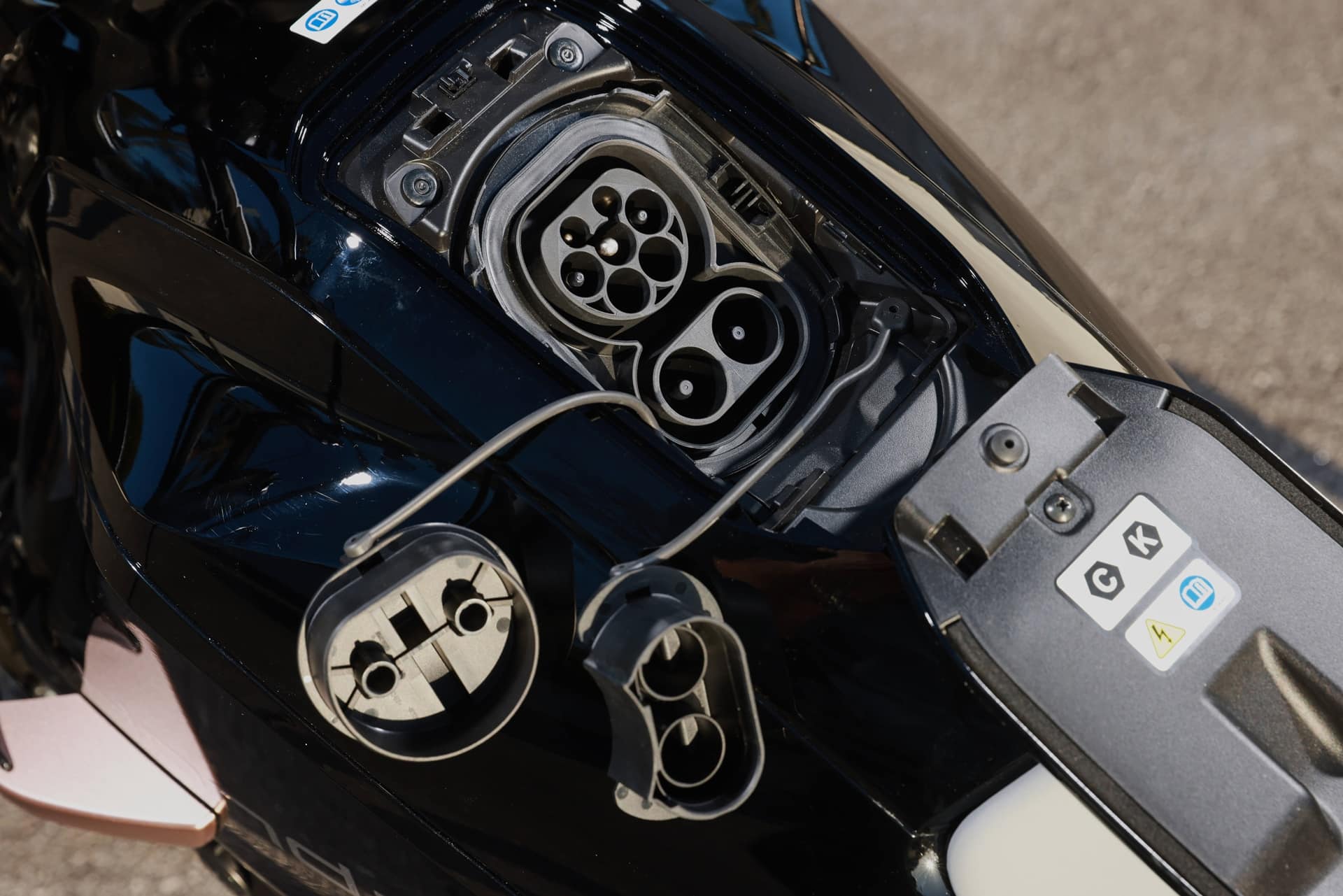
The model is equipped as standard with a 6.6 kW OBC charger and adopts the Type 2 standard for alternating current charging, allowing recharging from domestic outlets, wallboxes or public “gun to gun” stations, achieving a full charge. from 0 to 100% in 2.4 hours. In addition, fast charging integration is another of the WN7’s distinctive features: by matching the system voltage to that of four-wheeled vehicles, Allows you to charge from 20% to 80% in 30 minutes using CCS2 fast charging.
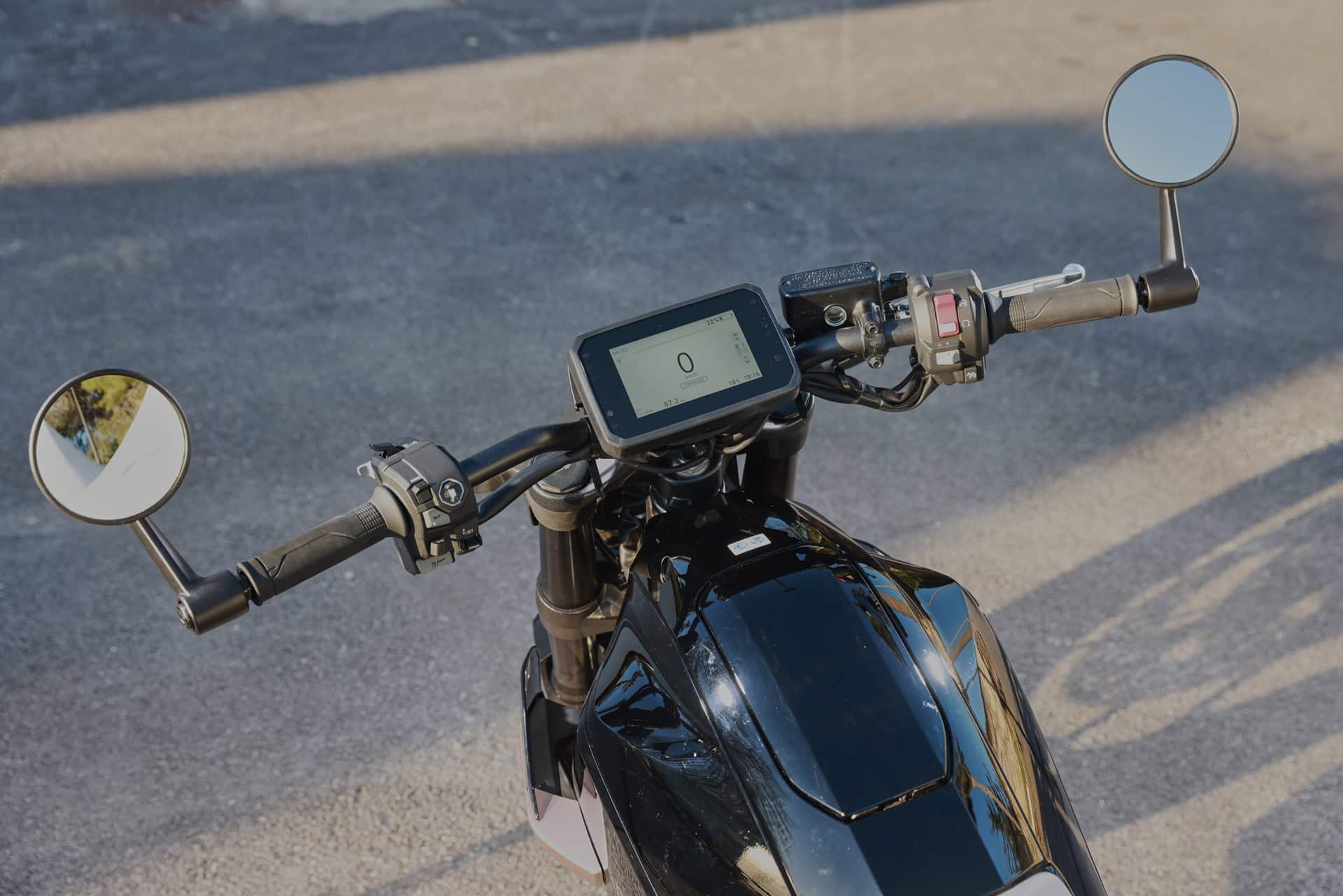
On the move, the advantages of electric torque are evident. Instead of chasing acceleration figures, Honda focused on response quality. “We prioritized sensations. The instantaneous delivery of the electric motor was treated as an essential element of enjoyment, refined for smoothness and control.” Regenerative braking and torque management are actively integrated into the driving experience through four modes: Standard, Sport, Rain and Econ, which adjust both acceleration and deceleration.
These modes also modify the feel of retention through different levels of regeneration and traction control, allowing a single bike to display different personalities. “The greatest advantage of electricity is instantaneity”says Tanaka-san. “The throttle response is exactly what you ask for, always”. This consistency allows the driver to fully focus on the lines, braking and acceleration points, without having to compensate for mechanical variations.
For the project leader, the Honda WN7 has a special meaning. Since joining Honda, his guiding principle has been “create the best motorcycle in the world”. That definition has been changing—the fastest, the most beautiful, the most innovative—but the ambition has remained. As the first project he led and as Honda’s first electric motorcycle with a fixed battery, the WN7 occupies a unique place in its history.
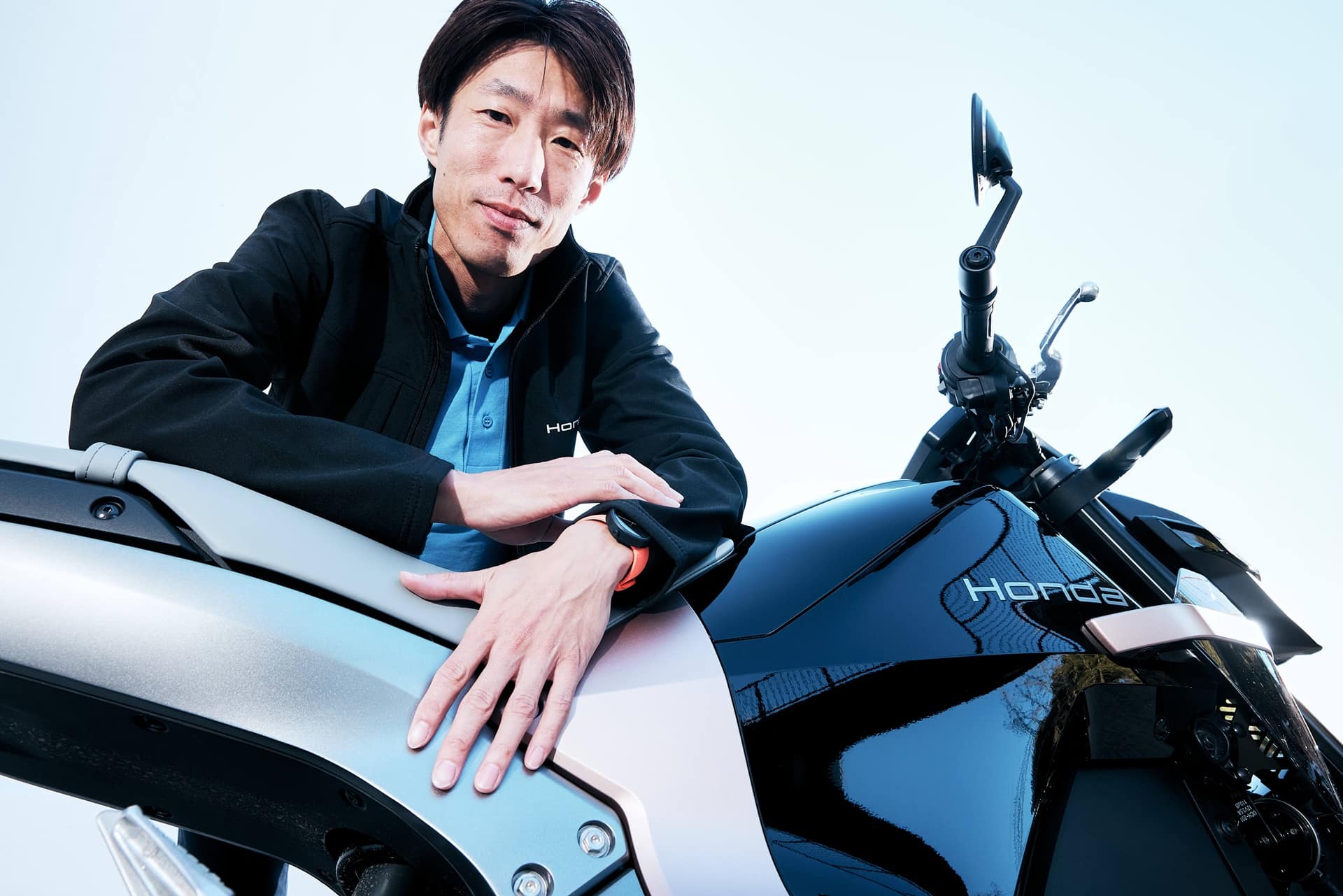
“Precisely because it has been a succession of new challenges, I think it has become the most purely Honda motorcycle”he states. It leverages decades of experience in the combustion era while tackling unprecedented disciplines such as battery validation and electrical architecture. “Breaking new paths through new challenges: that’s Honda. This bike unites our past and our future.”
The context is clear. Honda has committed to achieving carbon neutrality in its motorcycle products by 2040. Electrification is one of the ways to achieve this. In the coming years, combustion engines optimized for neutrality and electric models that provide new value will coexist. The goal is that, regardless of the powertrain, motorcycles – and the pleasure of riding them – remain synonymous with Honda.
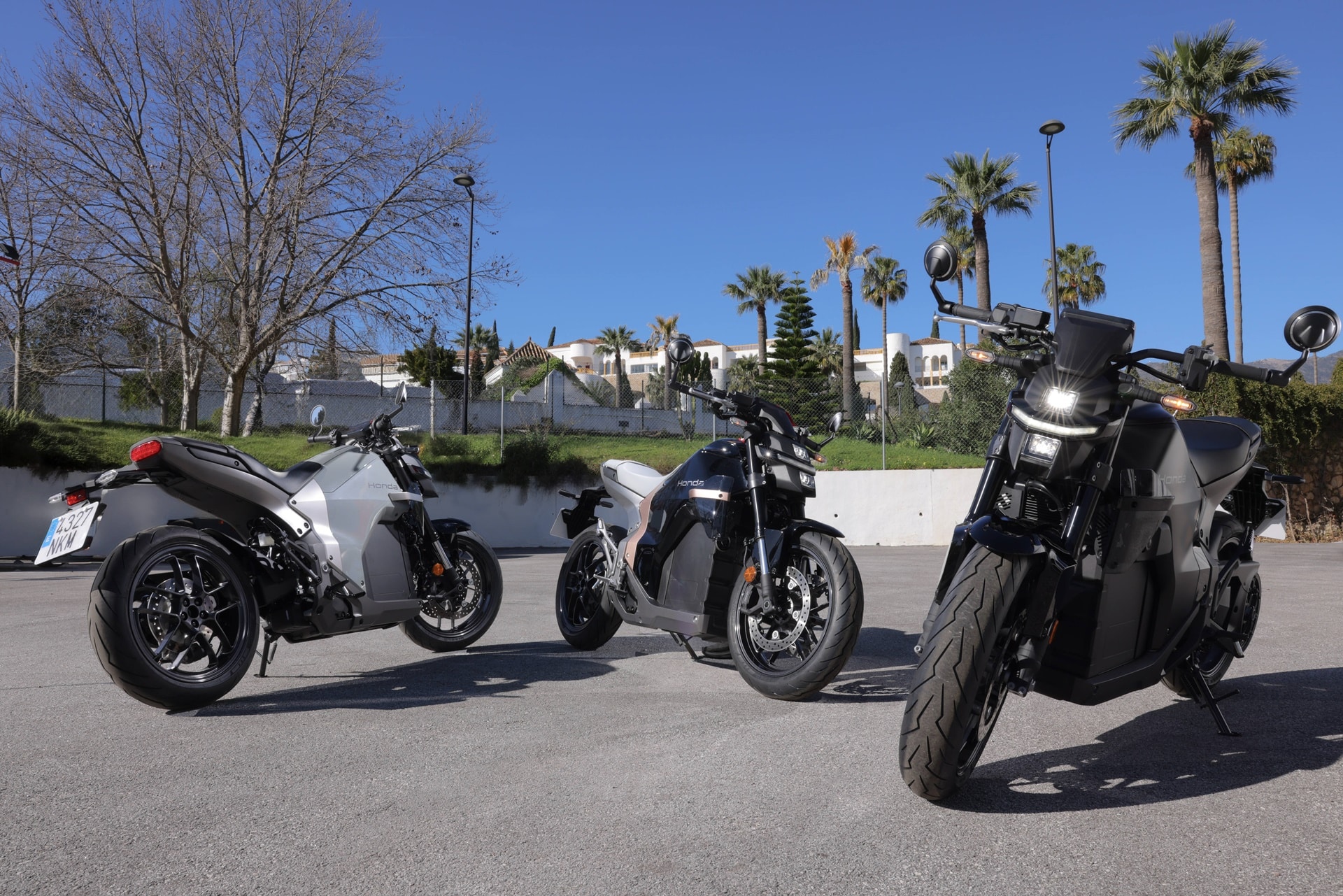
For traditional motorcyclists wary of electrification, his message is direct: “I notice that many people, not just motorists, avoid electric vehicles because of the negative aspects they imagine. I call these people ‘prejudiced without having tried,'” he says with a smile. “Once they get on one, they discover a new enjoyment, different from that of conventional motorcycles: a feeling of oneness with nature in the silence, smooth torque and intuitive driving, and they truly understand the unique advantages of electric propulsion.”
The WN7 does not attempt to reproduce the combustion experience. It builds Honda’s signature driving pleasure on a different foundation, defined by silence, smoothness and connection with the environment. It invites us to rethink what defines the character of a motorcycle and understand that emotion and enjoyment do not necessarily depend on the internal combustion engine.
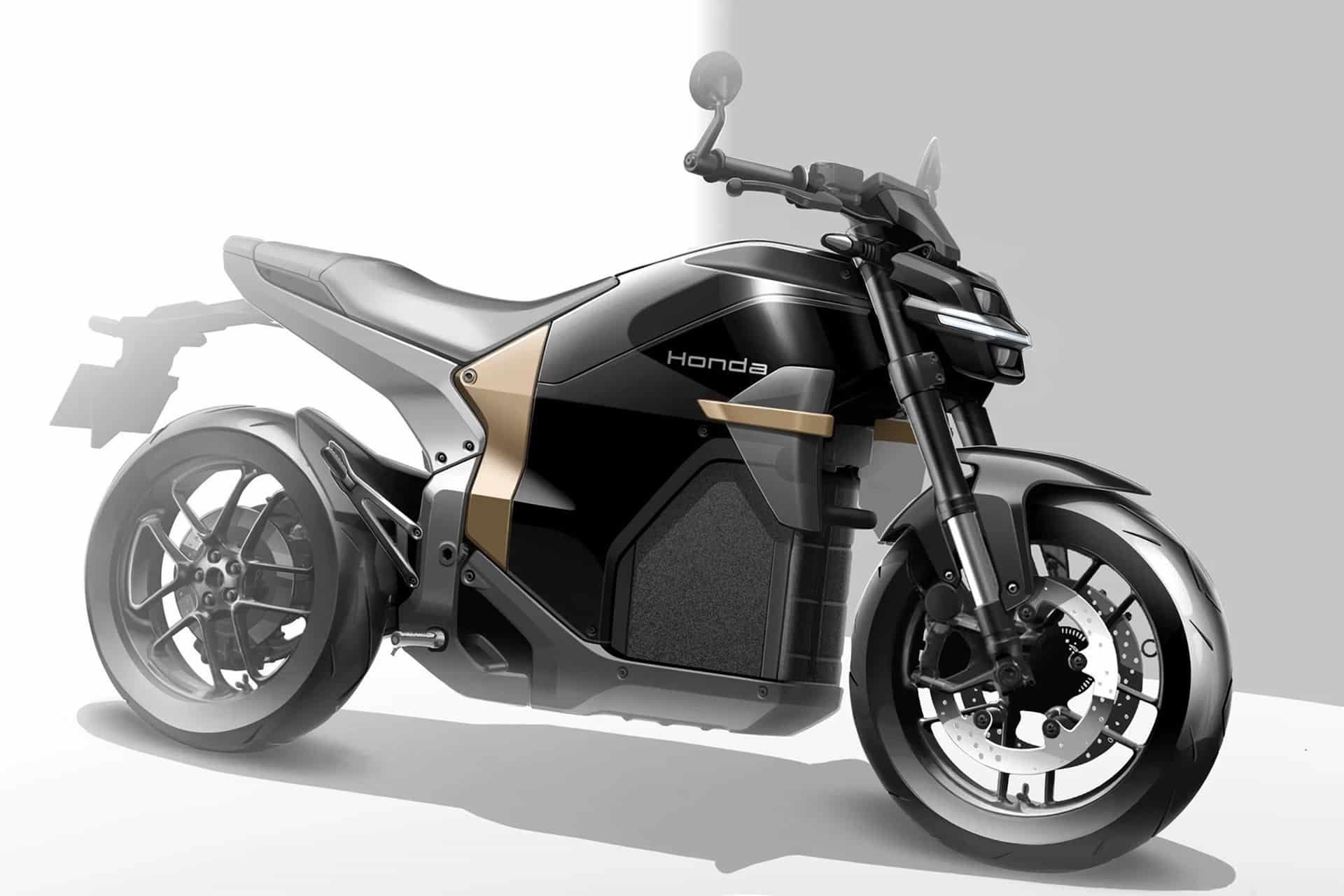
In that sense, the Honda WN7 is not a break, but an expansion. The fundamentals remain: two wheels, precise control, search for balance and poise. What changes is the texture of the experience. As 2050 approaches and the industry accelerates toward carbon neutrality, Honda’s first electric motorcycle demonstrates that the brand’s future lies not in abandoning its legacy, but in applying it to new territories: quietly and with determination.