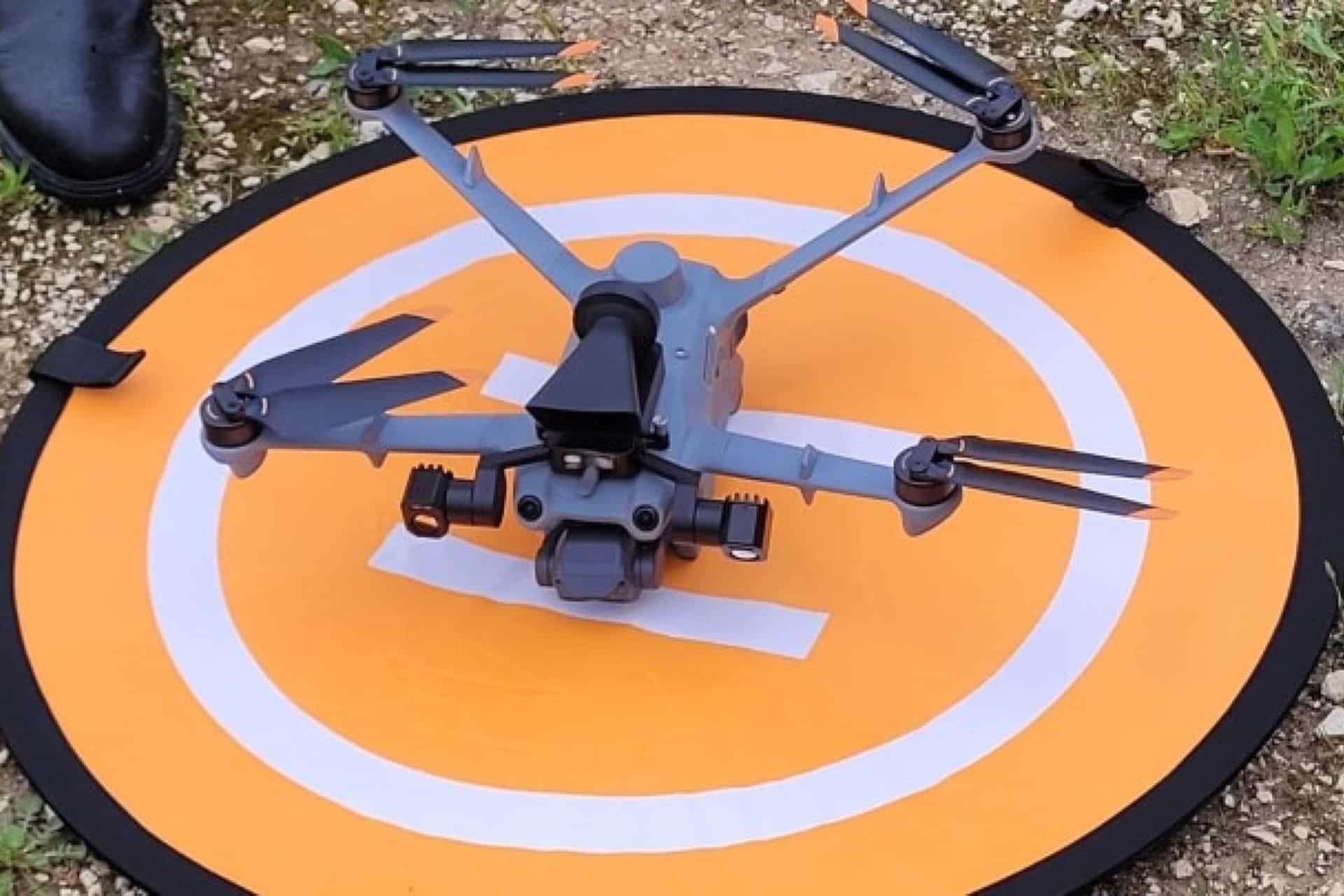
Just a few weeks ago, MIT (Italian Ministry of Infrastructure and Transport) published its first impressions after carrying out a pilot test of VIEW (Visual Assistance from Drones to Roadside Assistance), a project developed by the Ministry in collaboration with the Department of Computer Science of the University of Bari Aldo Morowithin the framework of National Road Safety Plan 2030.
According to the ideologues of the project, this first contact test in Bari has concluded successfully. In it, during a traffic accident simulation, the effectiveness of an integrated system based on drones, real-time video transmission and artificial intelligence algorithms to support rescue operations could be tested on the ground.

VISTA’s main mission and its possible uses
As those in charge of testing the operation of VISTA explained, during the test, the drone flew over the simulated accident area, sending images in real time to the operations centers. Artificial intelligence systems analyzed the scene, automatically identifying the vehicles involved, detecting the presence of people and signaling any critical situation.
This technological support allows us to obtain a quick and detailed image of the event within a few minutes of impact, which reinforces the capacity for intervention during the so-called “golden hour”, the first hour after the accident, crucial for the survival of the victims and the effectiveness of rescue operations.
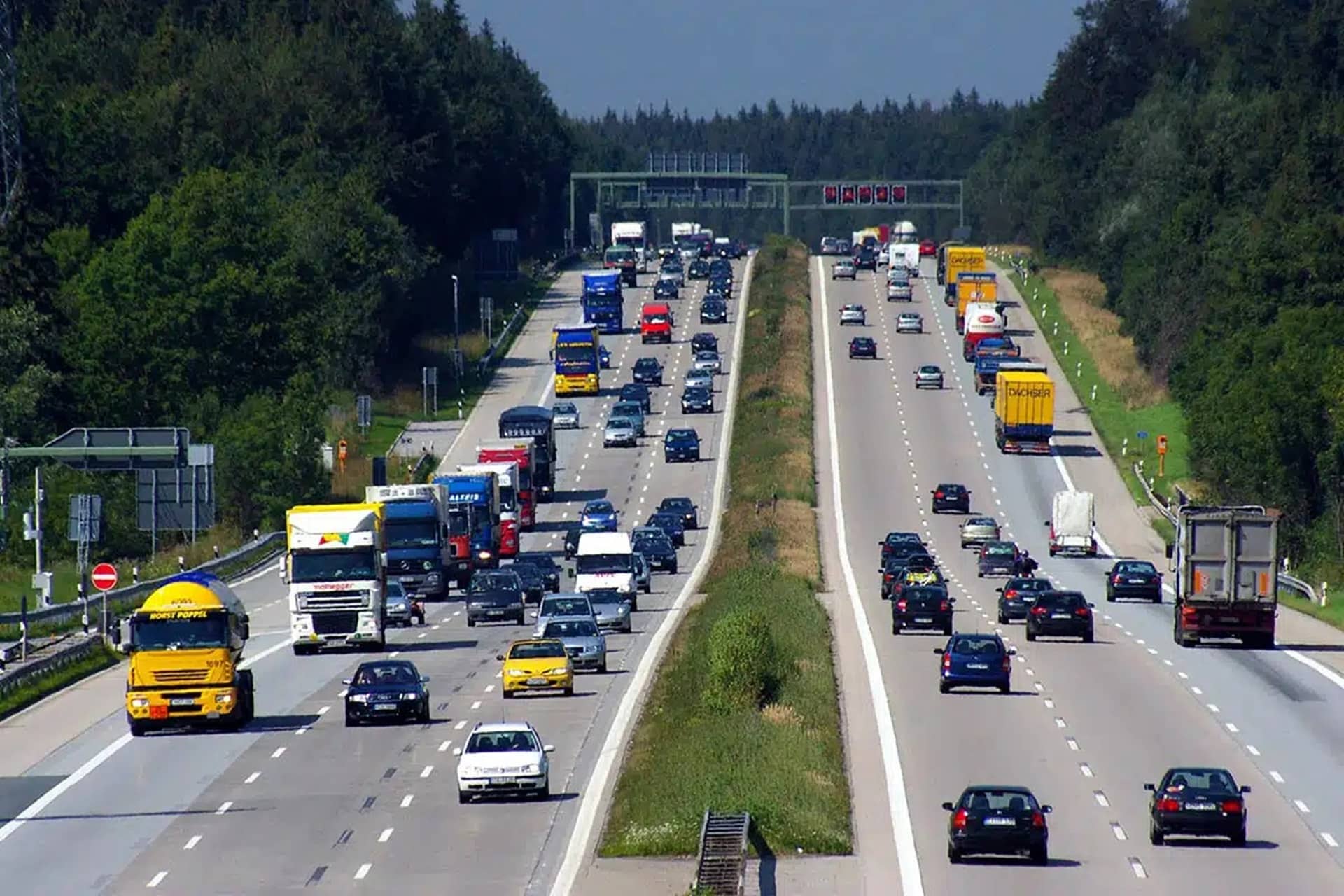
The Ministry later confirmed that “The simulation was attended by project directors from MIT and the University of Bari, along with representatives of the 118 Emergency Service, the Health Authority of the Province of Bari, the Bari Local Police and the associations Uniti per i Risvegli and Vivi la Strada.”
Among the most innovative aspects that emerged during the trial was the definition of an interaction protocol between drones and people, designed to allow contextualized communication with victims and guarantee certified documentation of the results of the accident, with possible applications beyond rescue operations.
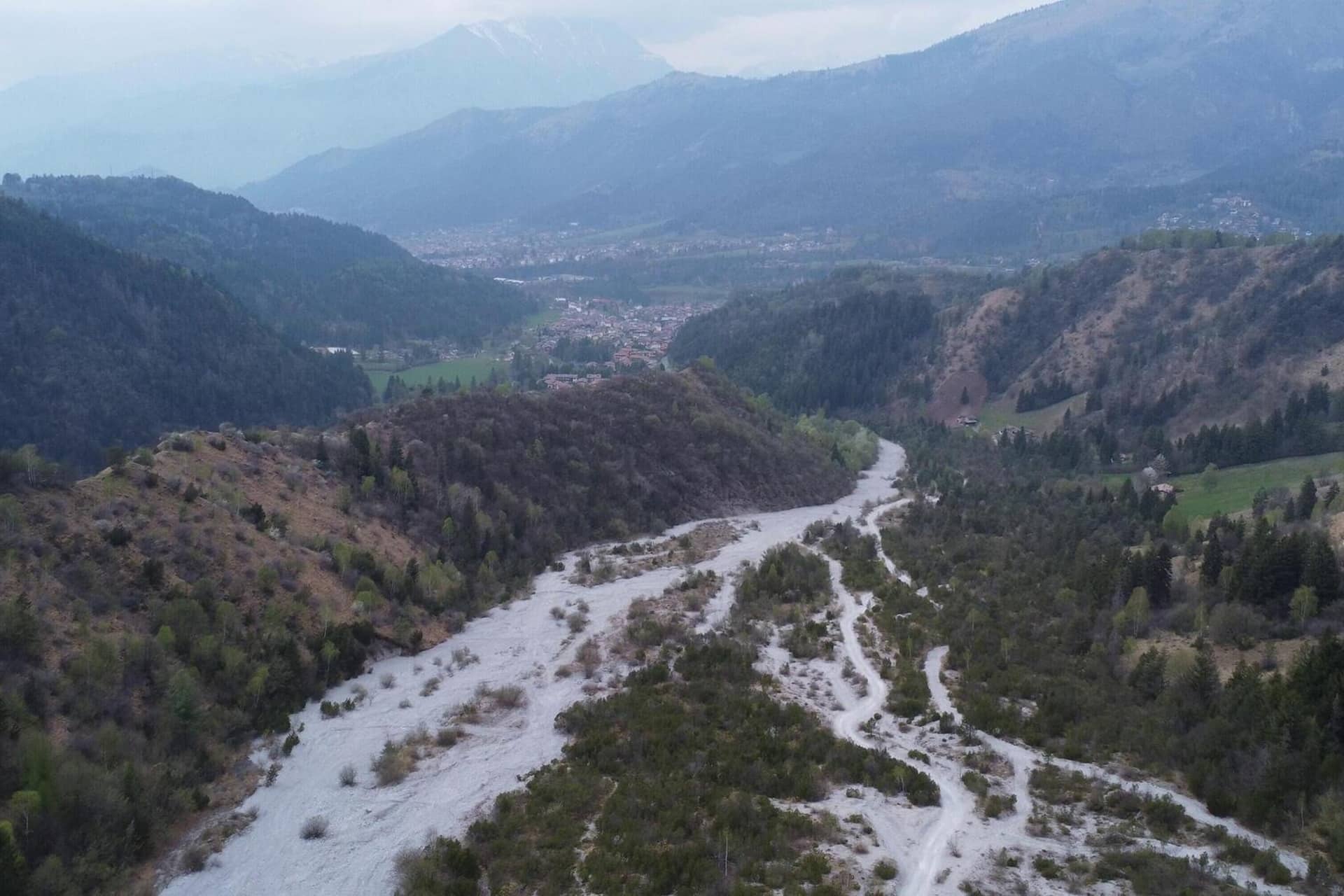
Having said all this, we are only left with the doubt of whether the Italian authorities will limit themselves to using VISTA within the assumptions mentioned or, on the contrary, they will extend its operations to other areas of road traffic. Without going any further, you can take our DGT as an example, with its multitude of drones in charge of tracking multiple violations that occur on our roads.
For its part, in the United Kingdom, they have gone one step further for a few years. Since 2019, the MET, London’s Metropolitan Police, has used Aeryon Skyranger drones to monitor and sanction drivers who commit violations in the metropolitan area of the British capital. So the only question left is: Will VISTA’s drones end up carrying out tasks of this type in favor of the coffers of the Italian State?