What motorcycle gloves are legal since October 1?
| Element | Mandatory since | On what roads | Who is affected? | Sanction |
|---|---|---|---|---|
| Protective gloves | October 1, 2026 | Interurban roads | Driver and passenger of motorcycle, moped, tricycle, quadricycle and quad | €200 (serious) |
| Technical specifications of the gloves | Pending development: unpublished ministerial order | — | Until its entry into force, protective gloves with the same characteristics as the current ones are used. | — |
| Closed footwear that covers the entire foot | October 1, 2026 | All roads, also urban | Driver and passenger of motorcycle, moped, tricycle, quadricycle and quad | €200 (serious) |

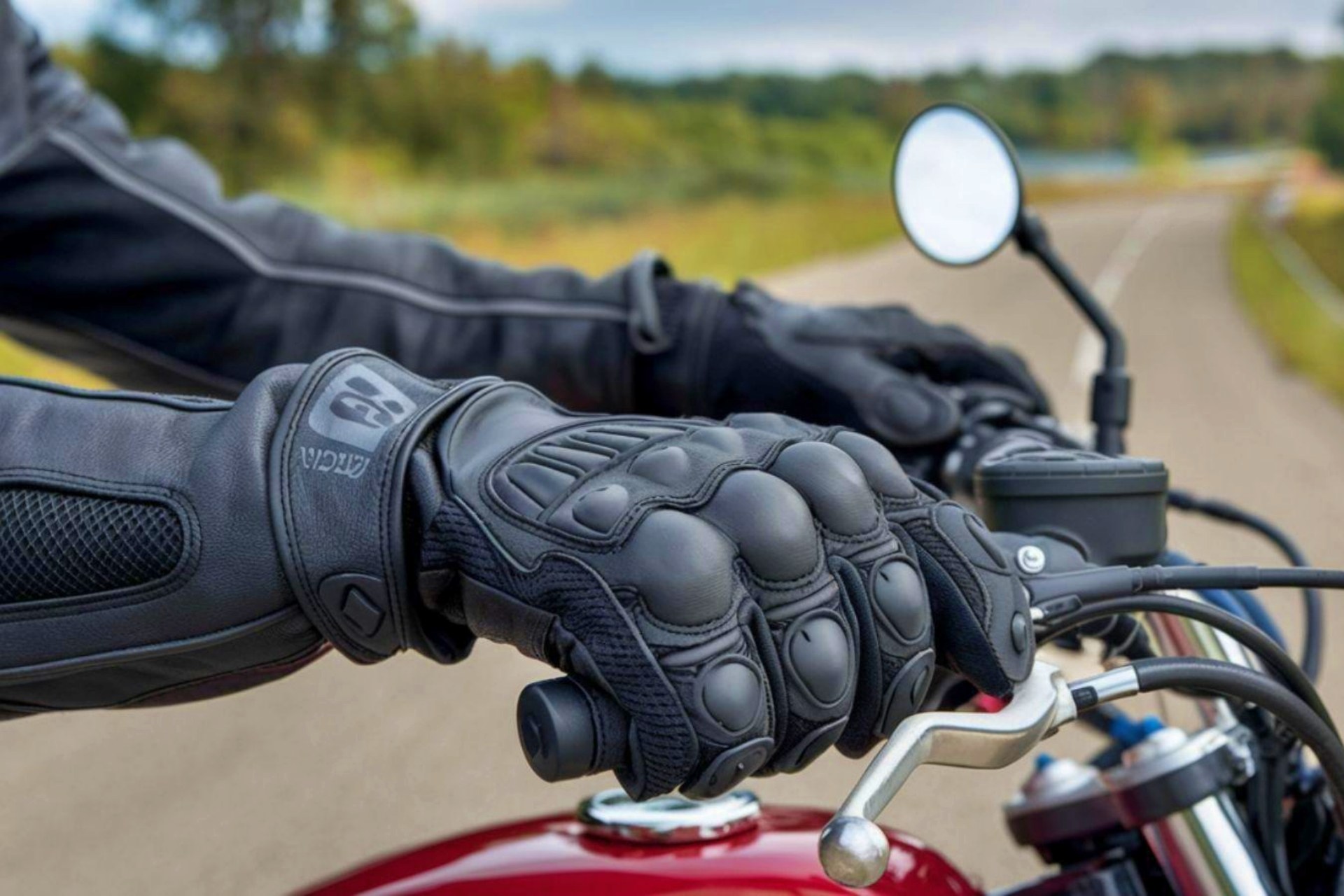
Since October 1, 2026, the driver and passenger of motorcycles and mopeds must wear protective gloves on interurban roads, according to article 118 of the General Traffic Regulations reformed by Royal Decree 518/2026. As the ministerial order that will establish its technical specifications has not been published, protective gloves with the characteristics of those used today are accepted.
The obligation begins, therefore, with a gap. The standard says that you must wear protective gloves, but it still does not say what a protective glove should look like.
What exactly does the standard say?
The new article 118.1.b of the Regulation requires “protective gloves when traveling on interurban roads” and adds that “the person in charge of the Ministry of the Interior may, by order, establish the technical specifications that said protective gloves must comply with.”
That order does not exist yet, and does not appear in the BOE or on the DGT website. To fill the gap, the second transitional provision of the decree establishes that, until it comes into force, “protective gloves with the same characteristics as those currently used will be used.”
Our reading: what can and cannot be fined
Let’s separate what the text says from what we interpret. The text requires wearing protective gloves from October 1. Our reading is that, as long as there is no order, an agent can fine you for riding without gloves on the road, but not for wearing motorcycle gloves that do not have a certain seal, because that seal is not yet defined anywhere.
That doesn’t mean it’s worth anything. The transition talks about “protective” gloves and the characteristics of those used today, and the obvious question is what happens to work gloves, wool gloves or cycling gloves. Technically, the gray area is there, and the one who decides on the shoulder once you have been stopped is the agent.
But there is a more important issue than the fine: those gloves are not made to withstand a fall at 90 km/h. So the important thing is not the fine, but what they can do with your hands if you fall. And we’re going to say it half-heartedly: imagine spending months having to ask them to wipe your ass.
EN 13594: the standard that should be looked at now
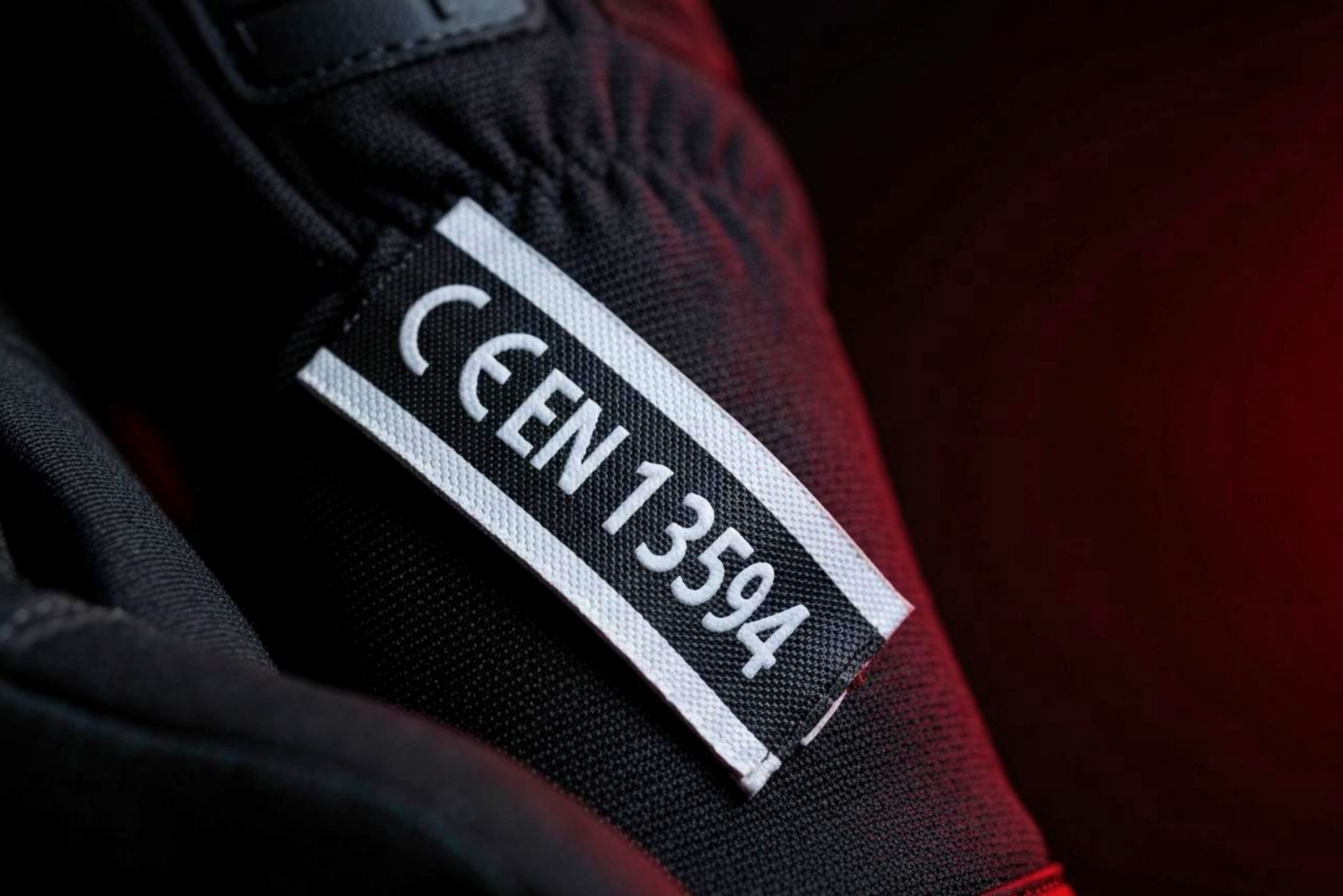
Although the order has not been issued, the market has been operating for years with a clear reference. Motorcycle gloves are sold in the European Union as personal protective equipment, with CE marking, and are certified according to the standard. EN 13594specific for motorcyclist gloves. The decree does not mention it, and we do not know if the ministerial order will adopt it as is. But like the regulations that apply to motorcycle helmets, it would be the most sensible and logical decision. It can be easily verified and, what is more important, it responds to the reason it is mandatory: to protect.
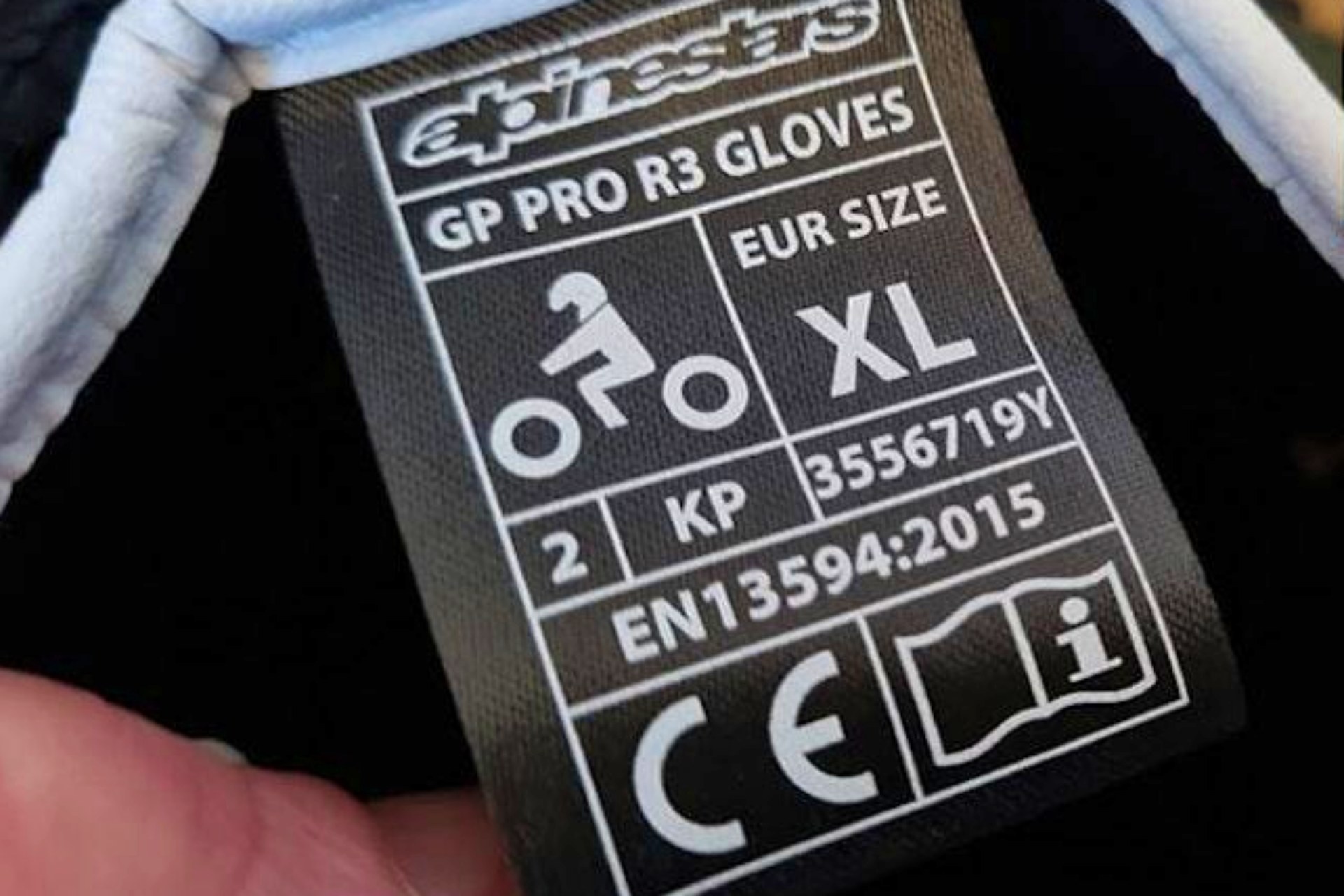
Thus, on the interior label or on the product sheet you will see:
- The pictogram of a motorcyclist and the reference EN 13594.
- The level of benefit, 1 or 2. Level 2 places higher demands on abrasion, cut and tear resistance, and seam strength tests.
- The letters KPif the glove has certified knuckle protection.
A level 1 glove already offers serious protection for everyday use in urban environments. Level 2 makes more sense on the road.
Why a motorcycle glove is not just any glove
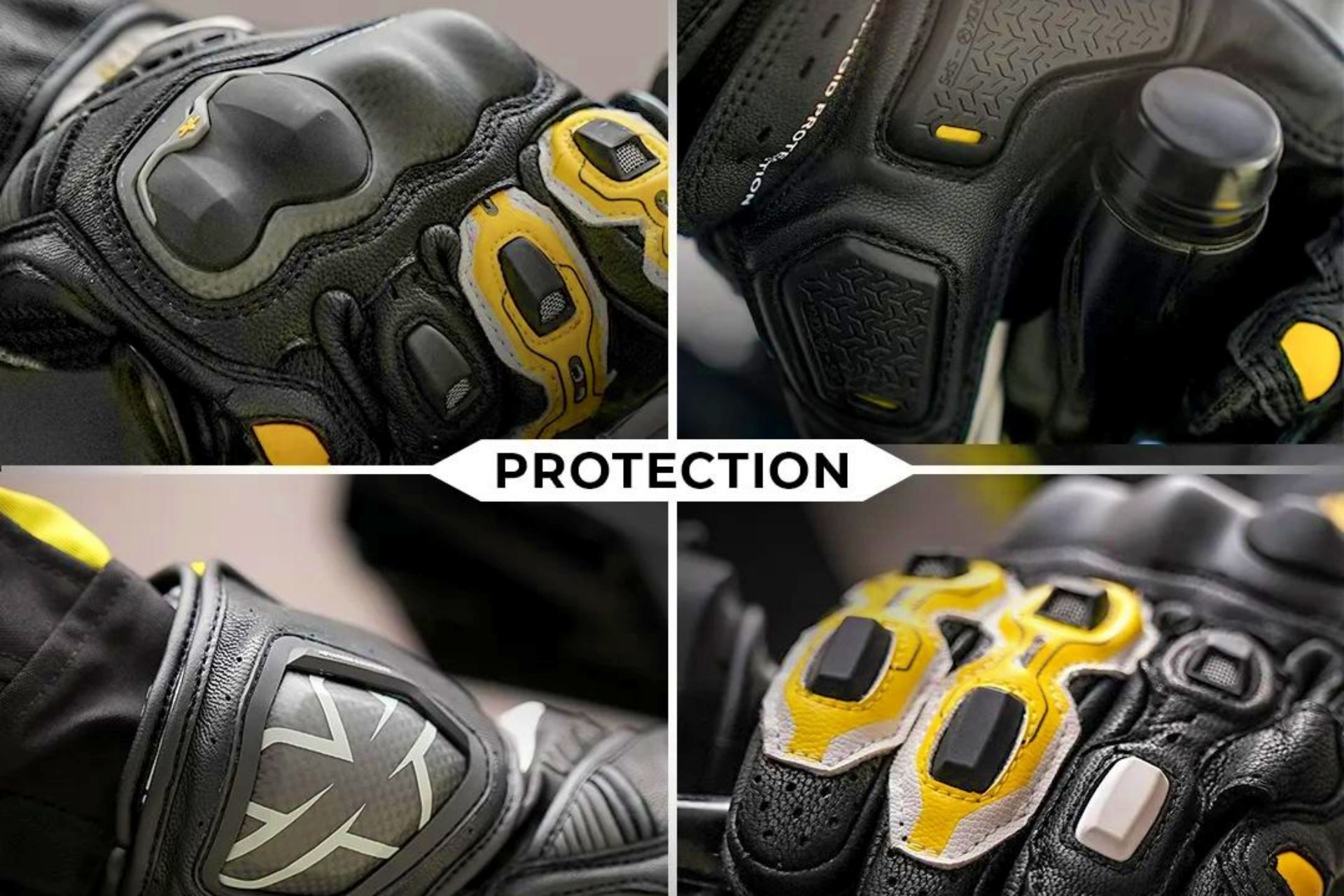
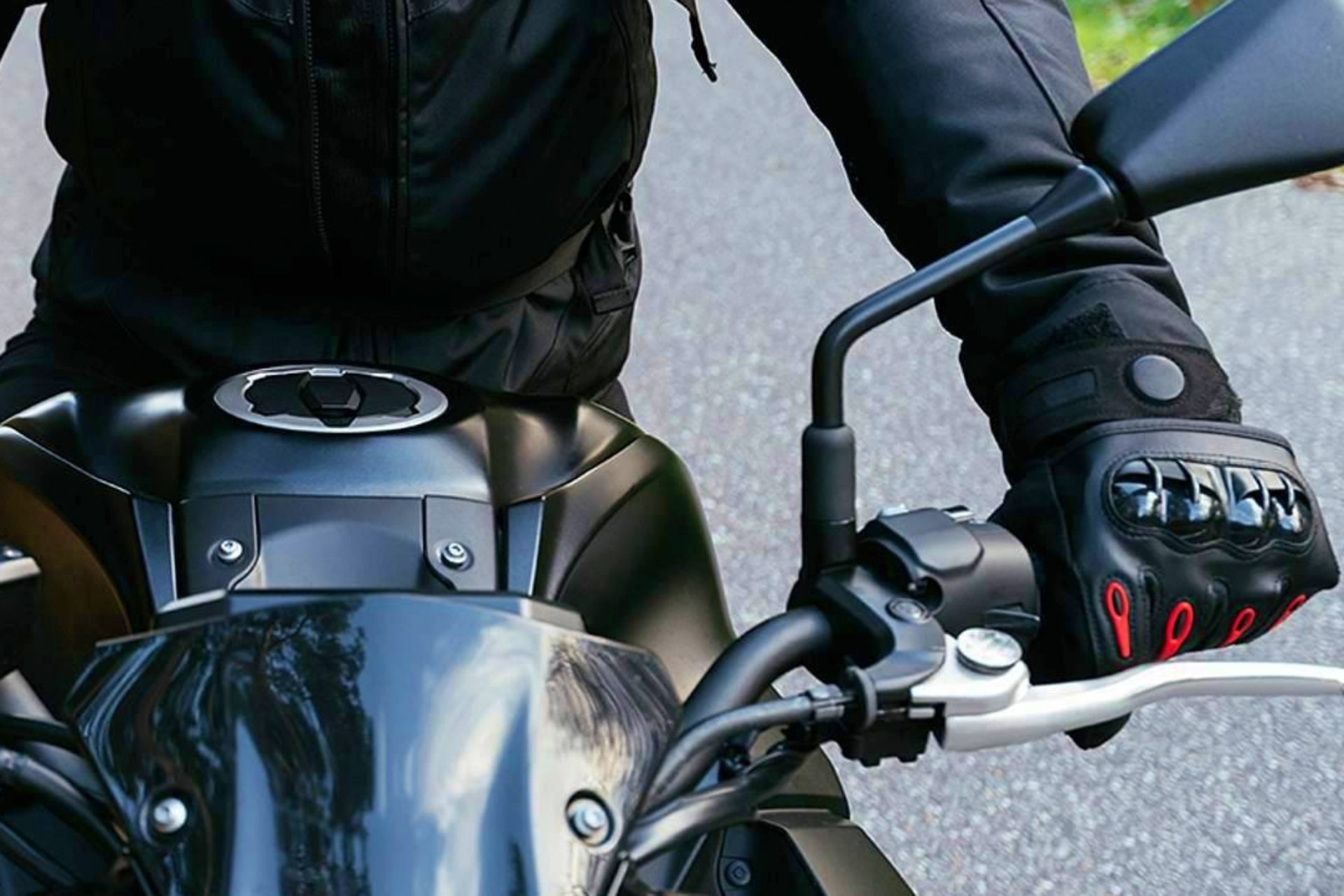
When someone falls, they almost always put their hands first. It’s a reflection. The problem is that the palm is the first thing that touches the asphalt, and unreinforced leather or textile wears out in a very short space of time. Specific motorcycle gloves, in addition to protecting against abrasion, incorporate protections and materials designed to reduce impact. And that’s what makes the difference.
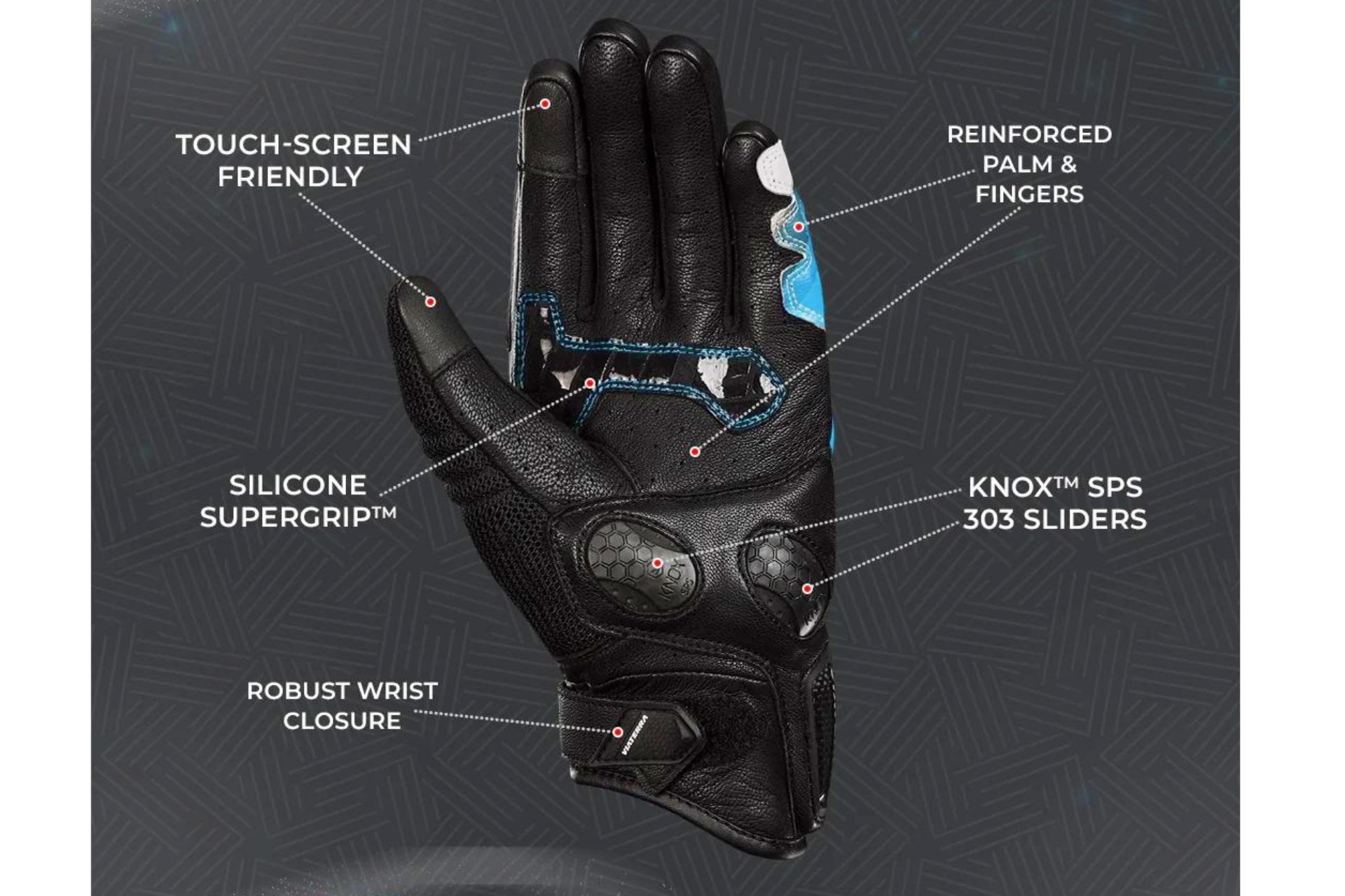
The parts that should be checked before purchasing are the palm reinforcement, the slider at the base of the hand in the more sporty models, the knuckle protection and a good closure on the wrist. A glove that comes off the hand when hit is like a shoe that flies away: it protects nothing.
Will I have to change gloves when the order goes out?
It is the question that has no answer today. Neither the decree nor the DGT have said whether the order will include an adaptation period, nor what standard it will require. What does seem reasonable is that whoever buys gloves certified according to EN 13594 now has a much better chance of meeting the future requirement than whoever is left with uncertified gloves. As the answer will depend on text that does not yet exist, we will update this information when the order is published.
We are not giving you tricks to get rid of the fine
It is worth saying clearly: this article is not intended to serve as a guide to comply with the minimum. The gap exists, but the useful conclusion goes in the opposite direction. If you are going to buy gloves these days, make sure they are motorcycle gloves and certified. And if you already have good ones, check that the seams and palm are still intact.
The complete list of what changes on October 1 is in (INTERNAL LINK: piece 1 — mandatory equipment). If you are interested in the vest, which generates as many doubts or more, you have it at (INTERNAL LINK: piece 2 — reflective vest). And we tell the origin of the reform in Goodbye to riding a motorcycle in any way.
Frequently asked questions
Can I use my current motorcycle gloves from October 1, 2026?
Yes, as long as they are protective gloves with characteristics equivalent to those currently used for riding a motorcycle. The final technical regulations are still pending a ministerial order, so there is still no new specific certificate or seal that will be mandatory from October 1.
Is it mandatory for motorcycle gloves to have EN 13594 approval?
No, at least for now. Royal Decree 518/2026 does not expressly establish EN 13594 as a mandatory requirement. This European standard is the specific reference for protective gloves for motorcyclists and can serve as a guarantee that the product has been subjected to certain tests, but we will have to wait for the future ministerial order to know what technical requirements it will officially require.
Can I be fined for wearing motorcycle gloves without CE or EN 13594 marking?
Until the ministerial order specifying the technical characteristics is published, there is no specific requirement that allows EN 13594 or a certain level of protection to be demanded. Since October 1, it has been mandatory to use protective gloves on interurban roads. The transitional standard refers to the characteristics of the gloves currently used, so the situation could be specified when the regulatory development is published.
Are winter, summer or racing gloves useful to comply with the new standard?
Yes, the type of glove does not by itself determine its validity. A winter, summer, touring or sports glove can be used as long as it is a protective glove for motorcyclists. In fact, gloves certified according to EN 13594 already incorporate resistance and protection requirements. The important thing is that they are gloves designed to protect your hands while driving and not simply a garment to combat the cold.
Will I have to buy other gloves when the new regulations are published?
Can’t know yet. The future ministerial order will be the one that determines the definitive technical specifications of protective gloves and, therefore, whether some models currently used will have to be replaced. If you are going to buy one now, opting for motorcycle gloves certified according to EN 13594 is a way of purchasing a product that already meets a specific protection standard for motorcyclists, although it cannot yet be said that this standard will be exactly what is required by the future order.