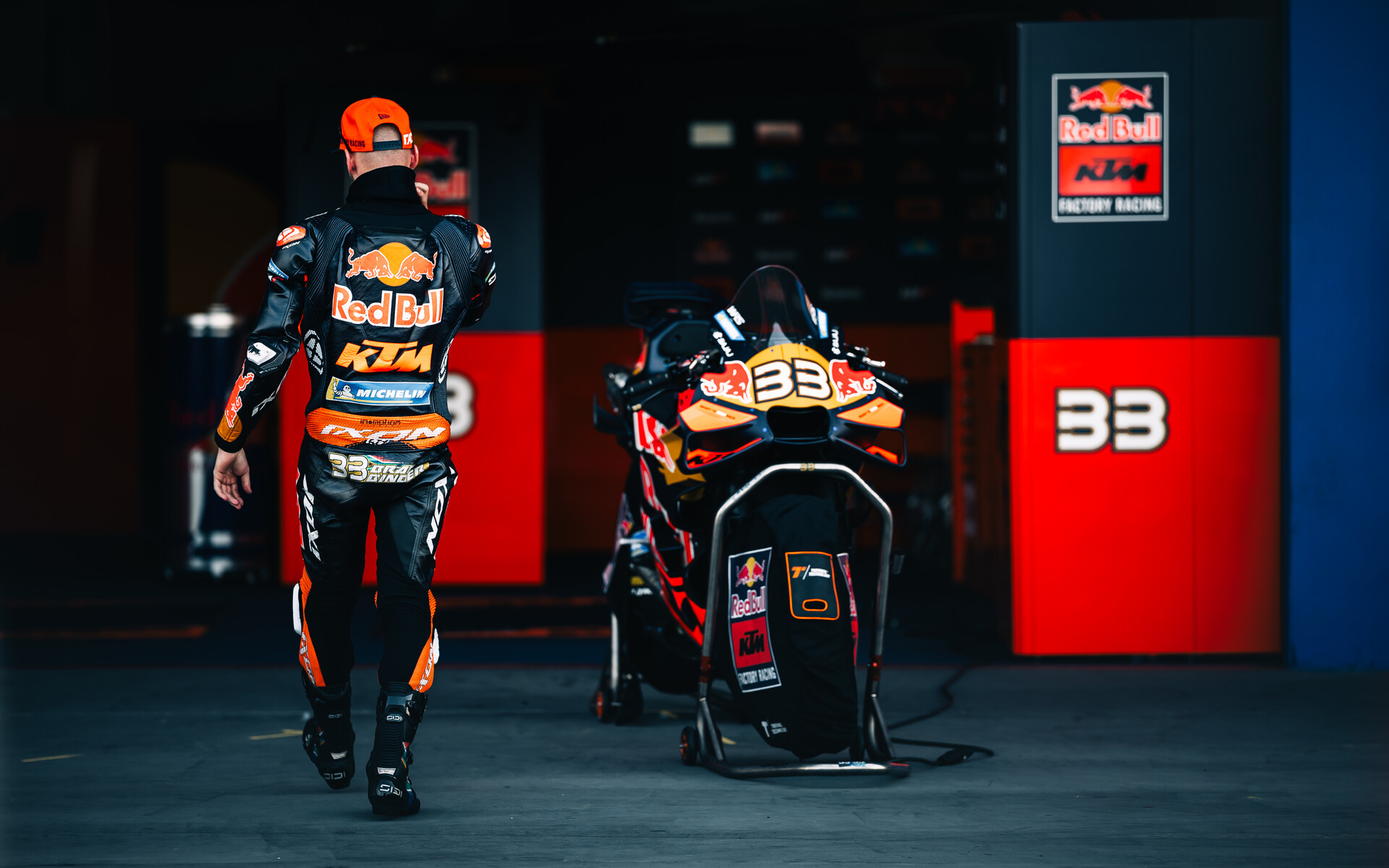
MotoGP is sport, yes. MotoGP is business, yes. MotoGP is a power duel, yes. And what MotoGP is also politics, much more than it seems. And in MotoGP there is a continuous pulse between manufacturers, promoters and the federation, where each one wants to sweep home and has to seduce the rest to achieve it.
A power struggle that, sometimes, requires unanimity. This is something that was worked on in the past by what was then called Dorna and FIM, and that has given stability to the championship that allows manufacturers to develop and work with a clear line, thanks to the technical and sporting regulations.
But whenever unanimity is required, there may be dissenting voices that veto or intend to use that veto to achieve something else. In this case we are talking about one of the measures that some manufacturers had proposed, in this case Aprilia, which intended that from 2027 there would only be one motorcycle per rider for training. A measure that in theory would reduce costs and that Ducati supported.

According to the colleagues at motorsport.com, everything was quite on track after the Hungarian GP, where apparently an agreement was reached that was not ratified, and where Honda was the only one that positioned itself as neutral, willing to abide by what the rest decided.
The second motorcycle rule in 2027 may not arrive, but it is not 100% ruled out
The change came at the Dutch GP, when KTM decided to withdraw from the agreement, something that it communicated to the MSMA, therefore breaking the unanimity required so that the proposal can be taken to the Grand Prix Commission, where the FIM, IRTA (Team Association), the MSMA itself and the promoter (MotoGP) are also already present. It would be there where, after reaching the unanimity of the MSMA, a vote would be taken requiring a simple majority.
So without KTM’s approval the change is not possible and, in fact, although it is not completely ruled out, it seems that at the moment it is more complicated for it to be active by 2027. The reality is that, in general terms and taking into account that what the bike would not be available in the box, the savings may be minimal as commented by Günter Steiner, owner of the Tech3, who did not agree with the rule.
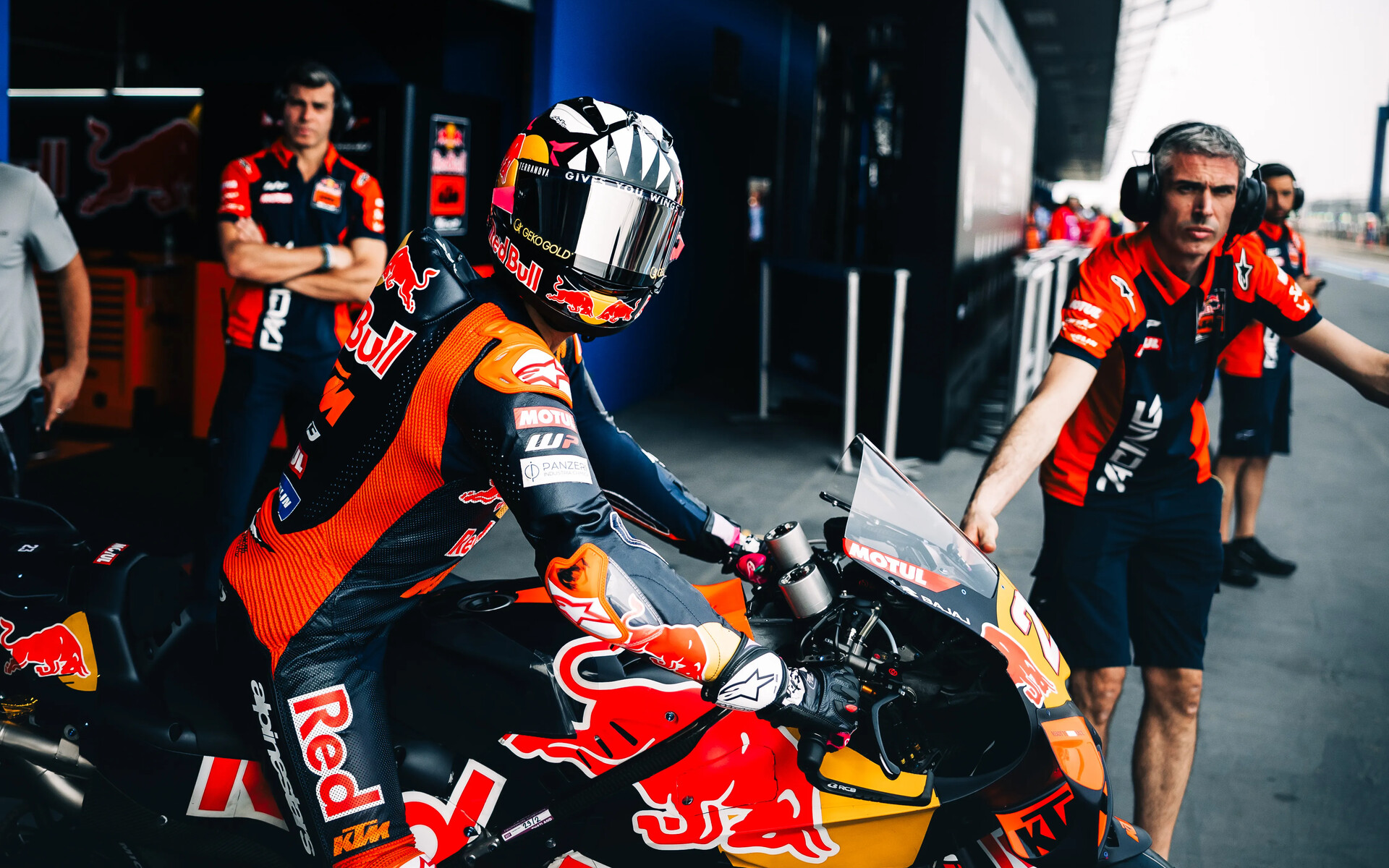
Nor is it a rule that the riders like, who see how they could not work in the way they do when it comes to setting up the bike and drawing conclusions, not to mention what happens in the event of a fall.
As for KTM’s refusal right now, the official version is that they have understood that it would be something that would give an advantage to the manufacturers that are already at the top, precisely because they cannot test the components as can be done by having the two motorcycles. However, it is still curious that this refusal has come at a time when the MSMA itself has not given permission to the Austrians to open their engines. A pressure measurement or a simple coincidence?