The German company TRUMPF, specialized in industrial sheet metal processing and laser technology, is immersed in a joint project in which they are working to develop a new technology by X-rays, with which it could extend the autonomy of lithium batteries, examining what happens inside them at all times.
At first glance it may seem crazy, but if we stop to think for a moment we can see how the X-rays They are currently used to x-ray the state of a body, whether alive or inert, and thus know its state in real time.
X-rays open a new horizon in the battery sector
This, taken to lithium batteries, would allow us to know first-hand how the electrons that make up their cells are acting, observing their performance and whether there are anomalies in their operation at any specific moment in the process.
But a system of X-rays conventional. This is where TRUMPF and companies such as AMPHOS, Active Fiber Systems, BASF, Bruker, Cellforce, Excillum, Ushio Germany or Viscom come in. Also public entities such as the University of Hannover and the Fraunhofer Institutes in Aachen and Jena.
Roughly speaking, it can be said that a system similar to that used by a particle accelerator would be needed, but as we all know, these facilities are really large and complex and are not used precisely for this type of use. The job of TRUMPF and its partners is to create a precinct of X-raysthe size of a room, combined with laser technology.
At this point, more than one will wonder how the performance of a lithium battery could be improved if its operation could be processed in detail. Well, initially its operating cycle would be established, and the parameters associated with it. In this way we could monitor any process related to it.
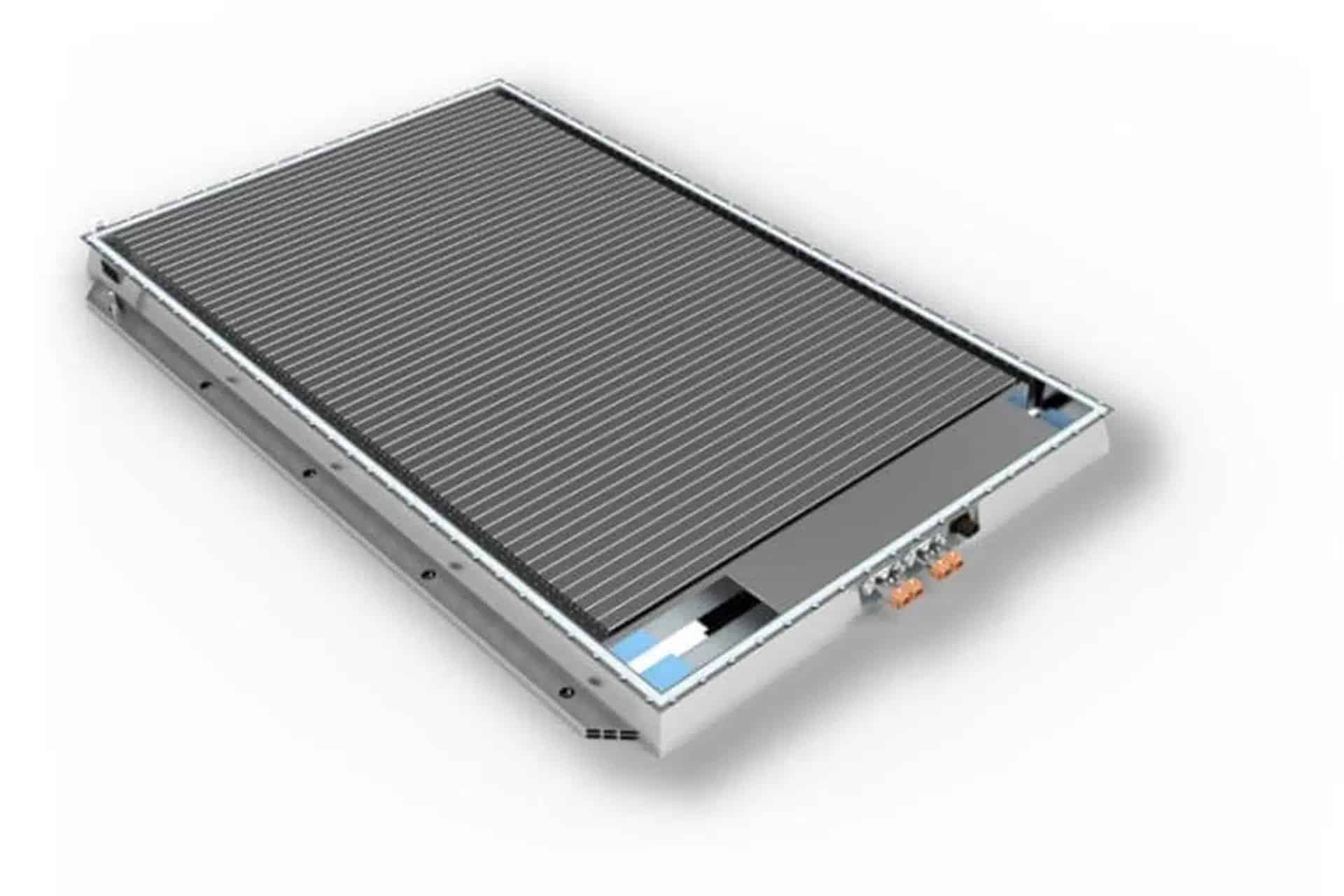
Charging and discharging, operation and performance of the materials used in the manufacture of a lithium battery or data related to temperature, intensity or voltage, would be managed by this type of technology based on X-rays.
TRUMPF and its partners mark the year on the calendar 2026 as the moment in which they will have ready the first prototype of this X-ray system. From that moment on, the first tests with lithium batteries can be established and recurring data taken on the entire process.