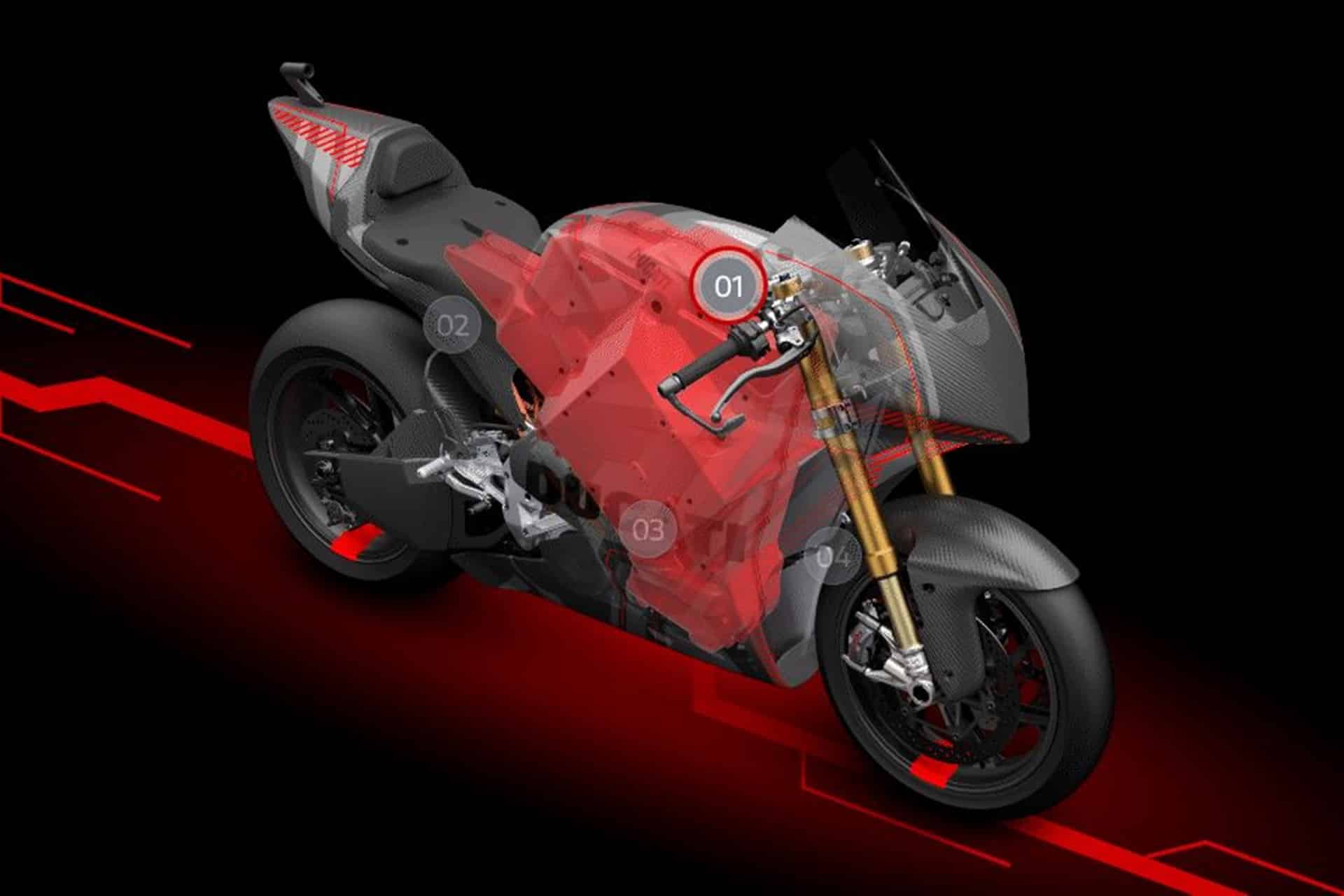
Ducatitoday, is one of the biggest unknowns within the two-wheeled sector, as to what will be the path to follow within the company once it decides to develop its first plug-in street model. A recurring theme, to say the least, that will surely become a before and after for the Borgo Panigale brand. In any case, for now, it doesn’t look like this will materialize in the short term.
However, there is no doubt that the brand is in constant technological evolution. A good example of this is its latest patent registered regarding a possible electric street motorcycle. Although the technical study itself is already relevant news, the philosophy used for its development is even more so. The same, on the other hand, that Ducati uses in the design of its current range of internal combustion models.

Ducati patent in detail
Based on the principle of compactness, Ducati presents us in its latest patent its approach to how an electric motor should be integrated into a possible street model. An idea based on the design of the brand’s motorcycles in which, above all, handling agility focuses on the riding experience.
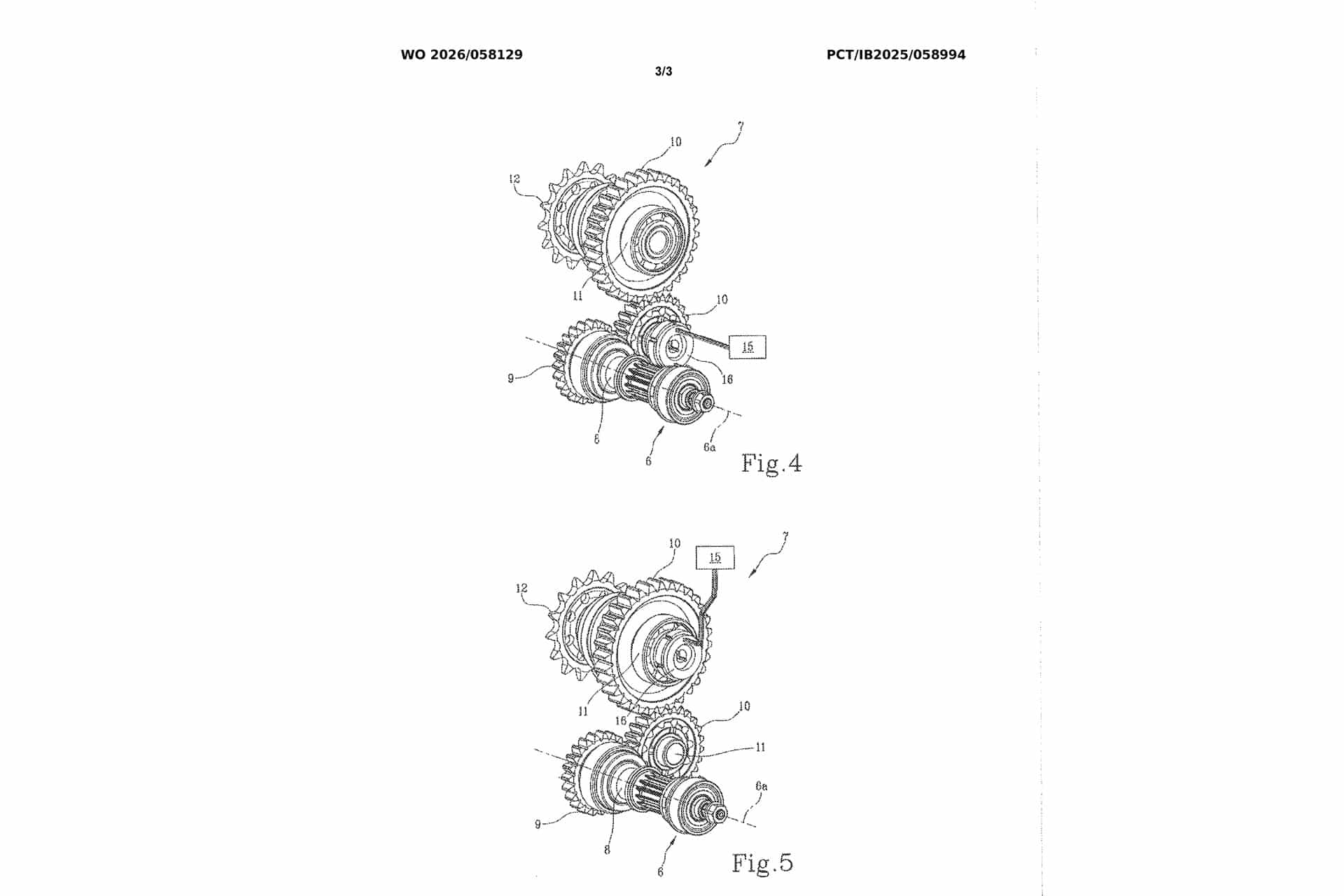
Through the published drawings we can see how the position of the components mounted on the chassis try not to compromise the stability, size and general ergonomics of the motorcycle. For this, the patent has a propeller capable of rotating around 18,500 rpm. This has a “multi-stage gear reduction system before sending power through a chain to the rear wheel”as explained by Ride Apart.
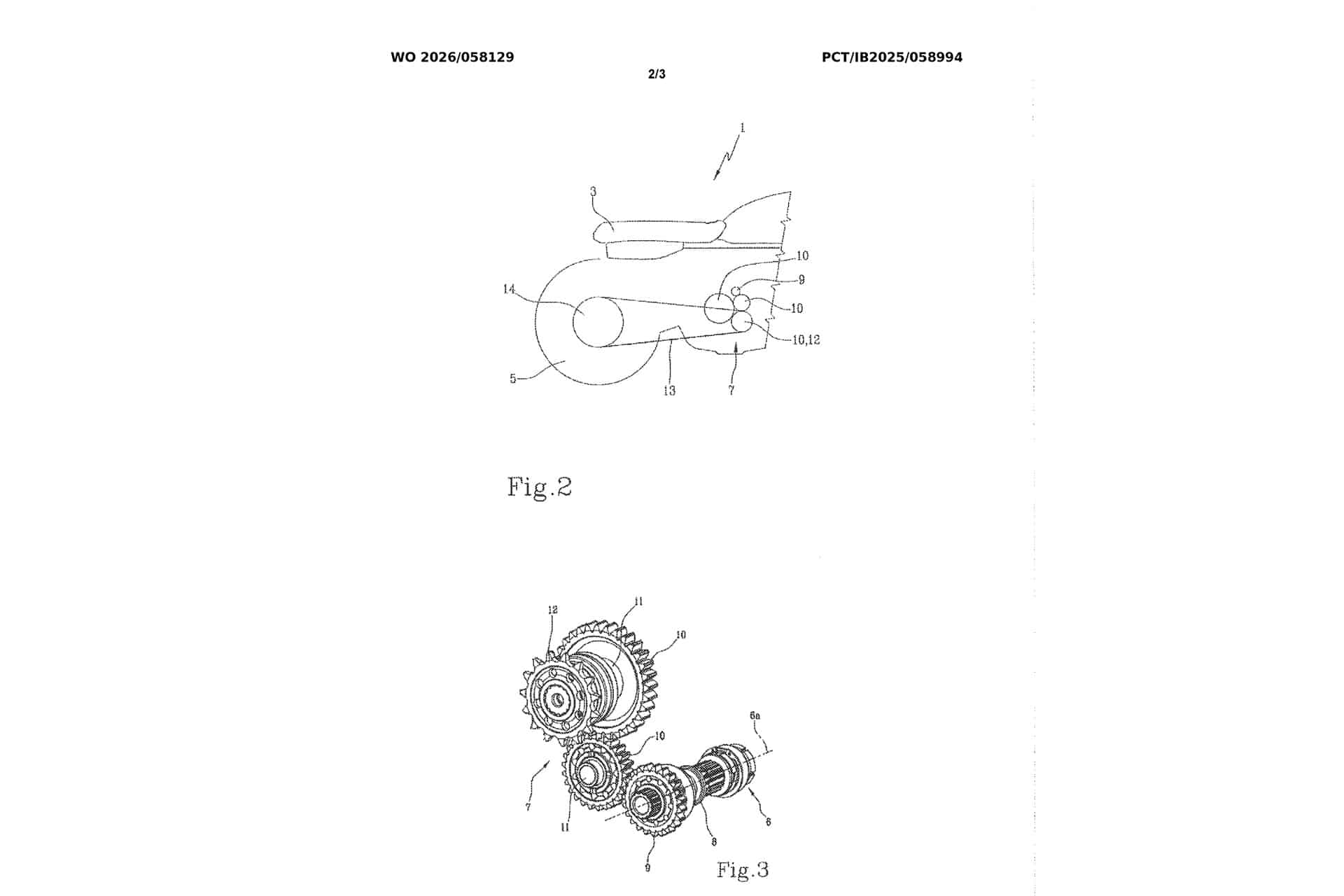
In the text of the patent, as an “object of the invention”, there is talk of developing an electric motor vehicle that allows the control components necessary for the electronic management of the electric motor to be housed in such a way that the general dimensions of the motorcycle are not affected, and in particular the transverse dimension (width) of the motorcycle is not affected.
At this point Ducati houses the position sensor on one of the gearbox shafts, instead of on the motor shaft itself, as is usually the case. In this way the dimensions of the system grow vertically, not to the sides, a key aspect on which the patent focuses. That said, it would be interesting to know how this matter would be managed electronically.
In short, we are looking at the construction philosophy applied by Ducati in its internal combustion models, carried in this case to a possible plug-in model. Without more references so far than the Ducati V21L equipped with a solid state batteryshown at the IAA Mobility in Munich last year, for now everything suggests that it will still be a long time before the Italian brand has an electric street model.