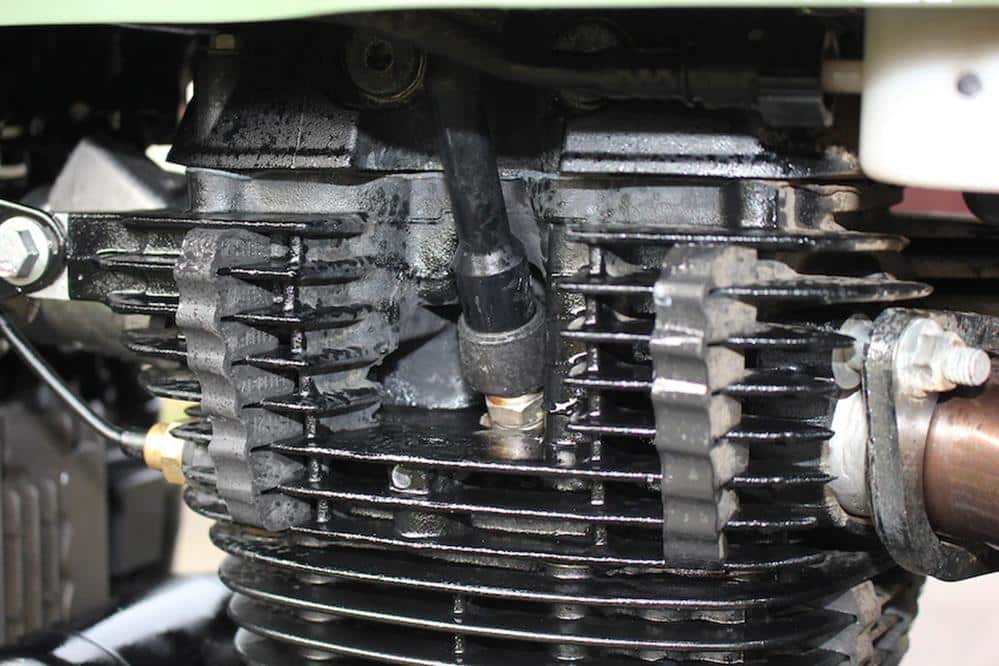
Few maintenance operations are as simple and, at the same time, as important as changing a spark plug. Many motorcyclists learn this task in their first steps on the motorcycle, but behind this apparently basic gesture there is much more engineering than it seems. Understanding how a spark plug works and what signals it can offer about the condition of the engine allows you to go far beyond simply “removing and installing.”
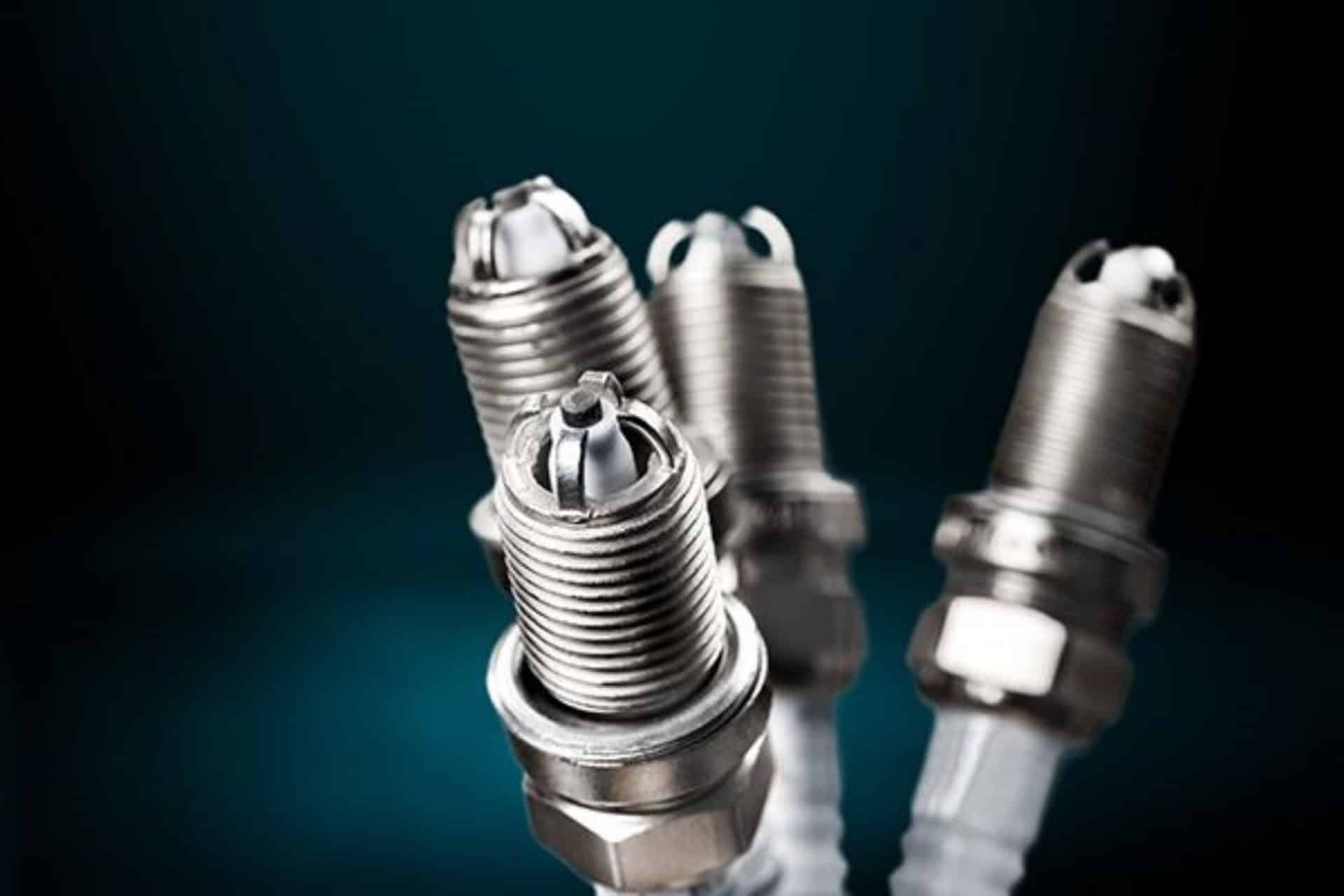
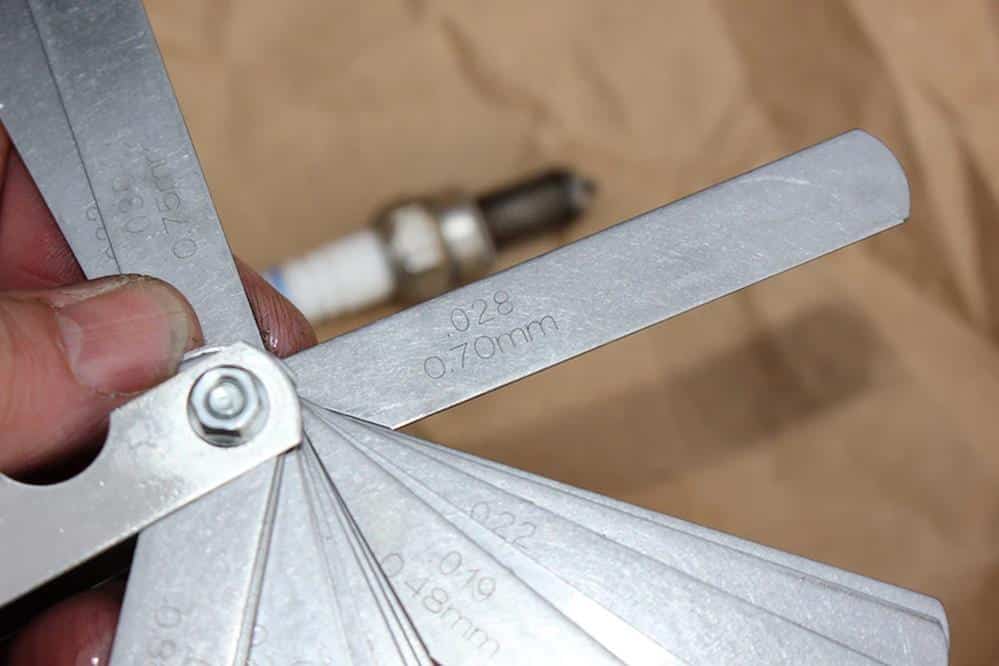
The mission of the spark plug is to initiate the combustion of the air-fuel mixture inside the combustion chamber. To do this, it generates an electric spark between 2 electrodes separated by a small distance, normally between 0.5 and 0.7 mm.

What are the spark plugs like?
The construction of a spark plug is relatively simple, although very precise. The assembly is made up of a threaded metal body that is fixed to the cylinder head and a central electrode insulated by a ceramic piece (usually technical porcelain). In front of it is the ground electrode, recognizable by its characteristic curved shape. When the electric current jumps between the two, the spark is produced that starts the combustion.
The correct separation between the electrodes and their good condition are essential. An incorrect distance or the presence of dirt can cause misfires, loss of performance and starting difficulties.
What is the thermal rating of a spark plug?
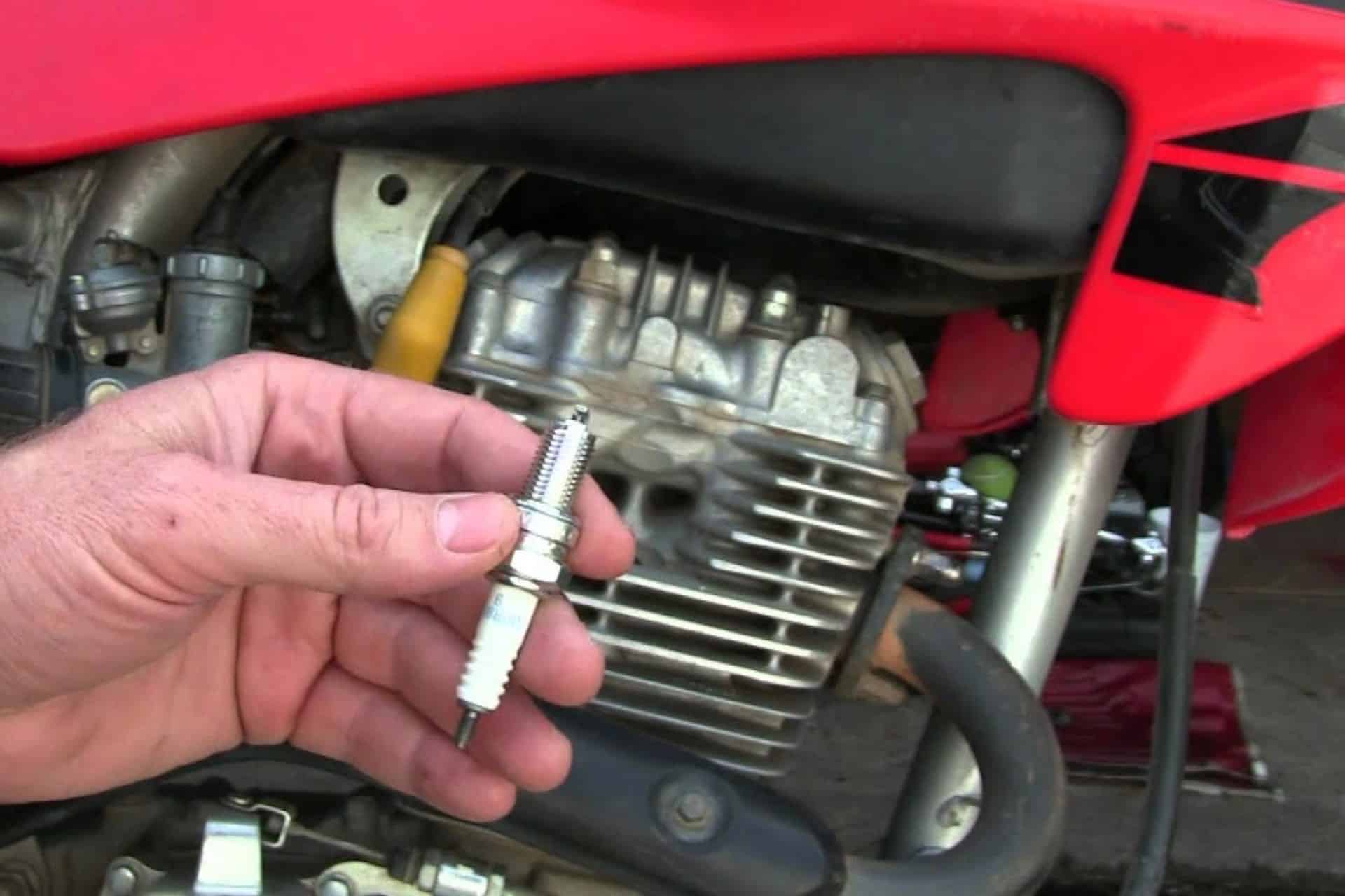
One of the concepts that generates the most doubts is the so-called “thermal degree.” This parameter defines the spark plug’s ability to dissipate the heat generated during combustion. In very demanding engines, capable of developing high temperatures, the spark plug must evacuate heat quickly to avoid overheating and self-ignition phenomena. That is why so-called “cold” spark plugs are used, with a high thermal dissipation capacity. In less tight engines, however, “hot” spark plugs are usually used, which retain a higher temperature.
The key is in the design of the ceramic insulator and the contact surface it maintains with the metal body. The larger the surface area, the more heat can be transmitted and evacuated to the cylinder head. It is also worth remembering that there is no universal scale of thermal degrees. Each manufacturer uses its own references, so a higher number does not always mean a cooler or more heat-resistant spark plug. Hence the importance of always respecting the manufacturer’s specifications.
How often do you have to change the spark plugs?
Obviously, like any element subjected to high temperatures and millions of operating cycles, spark plugs suffer progressive wear. The current intervals are much wider than decades ago and, in many models, the change is around 30,000 km, although this figure can vary significantly depending on the type of engine and the material used in the spark plug.
The recommendation is simple: always follow what is indicated in the maintenance manual and only install the approved reference or a compatible equivalent. Using an incorrect heat rating or an unsuitable spark plug can seriously affect engine performance. In fact, one of the greatest virtues of this component is that it acts almost as a “sneak“mechanical. It is enough to dismantle it and observe its appearance to obtain very valuable clues about what happens inside the cylinder.
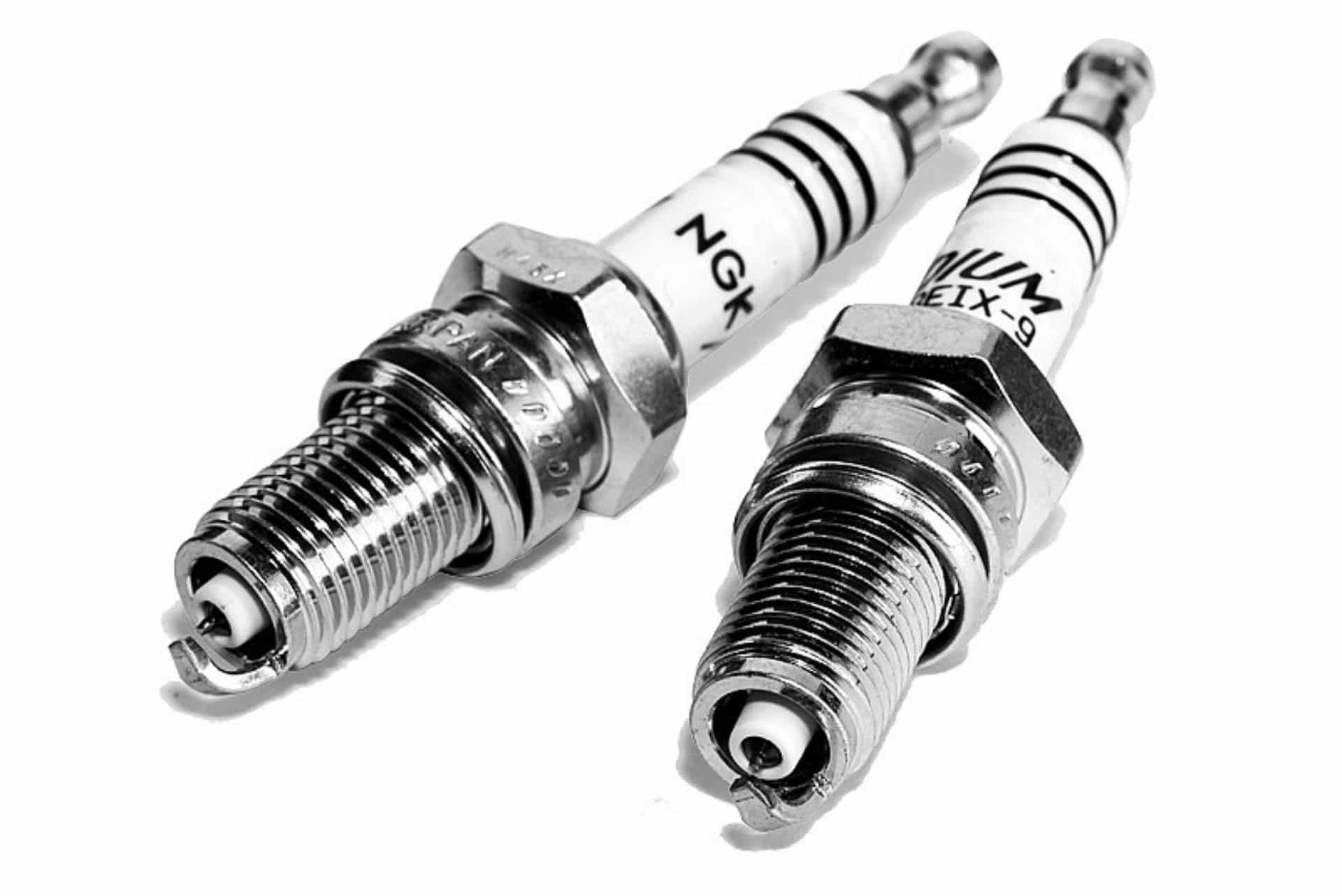
The spark plug, an aid to know if the engine is combustion correctly
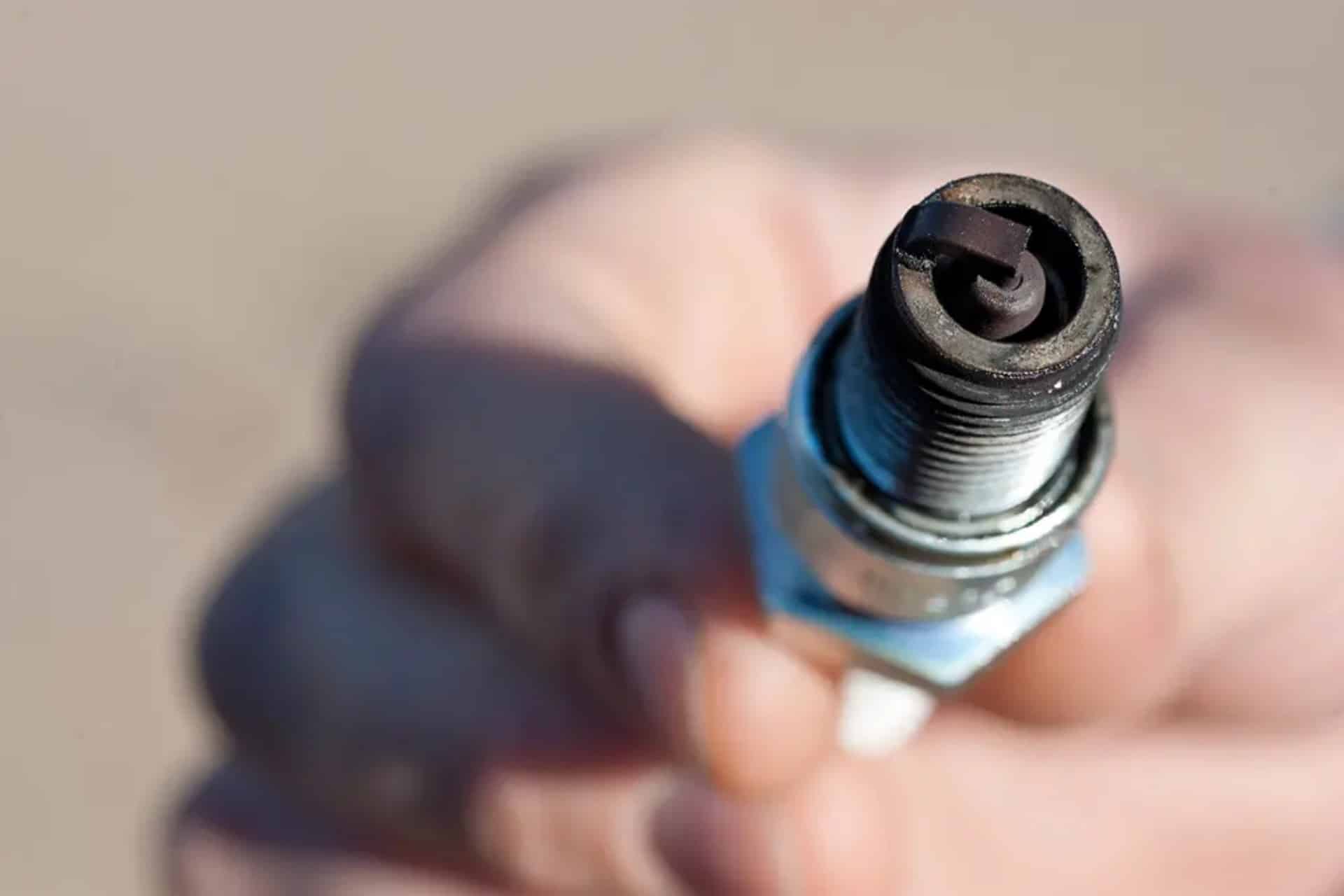
The ideal electrode shade is often described as hazel or light brown, a sign that combustion is occurring under correct conditions. If black carbon deposits appear, the problem may be related to combustion that is too cold, a rich mixture or very short paths that prevent reaching the correct temperature.
On the contrary, a whitish appearance may indicate excess temperature or a mixture that is too lean, something that deserves attention to avoid further damage. The presence of oily residues should also not be ignored. It may be a symptom of internal wear, especially in segments or elements related to cylinder sealing.
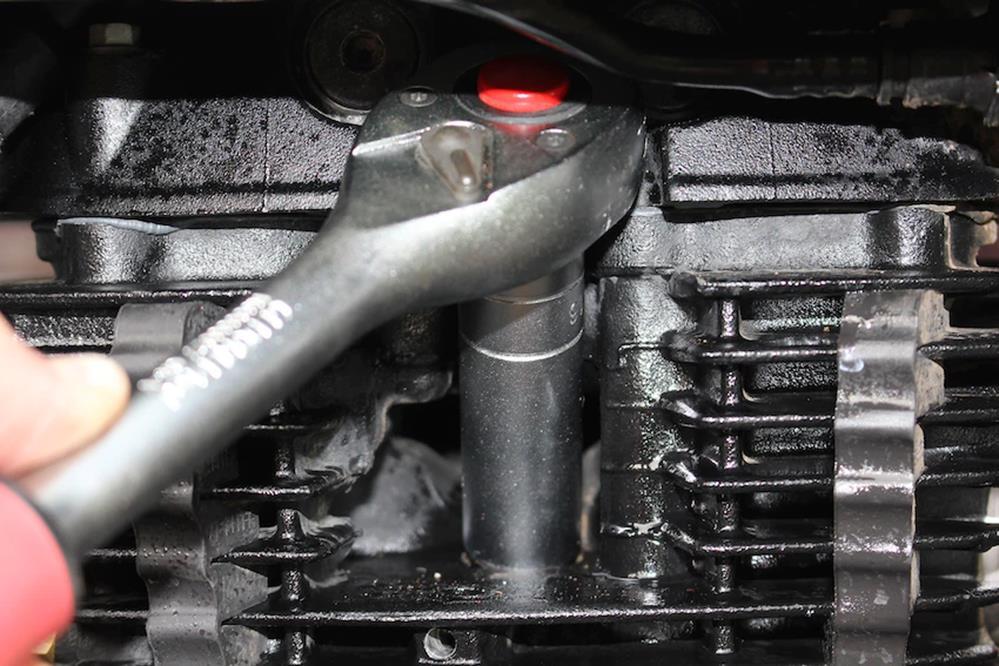
How to change a spark plug
Replacing a spark plug is a perfectly acceptable operation for a user with basic tools and some care. The first thing is to always work with the engine completely cold. In addition to avoiding burns, this reduces the risk of damaging the cylinder head threads.
After removing the ignition cap or pipette, loosen the spark plug with a specific wrench. The new one must begin to be threaded by hand, without forcing, to ensure that it fits correctly into its housing. Only when it is seated should it be finished tightening with the tool. Many manufacturers indicate a specific tightening torque, especially on modern engines with aluminum cylinder heads, so using a torque wrench can be good practice.
Can they be cleaned or is it better to replace them?
Although for years it was common to clean and reuse spark plugs, today this practice is considered inadvisable except in specific situations. Abrasive or chemical products can deteriorate the ceramic insulator and alter the operation of the component. In addition, a badly charred spark plug usually reveals an underlying problem that simple cleaning will not solve.
Spark plugs are designed to self-clean when operating in their correct thermal range, typically between about 550 and 800°C. When the engine reaches that temperature and is running correctly tuned, many deposits end up disappearing on their own. Therefore, when faced with a damaged or heavily contaminated spark plug, the most sensible solution is usually also the simplest: replace it and make sure that the engine is operating within its proper parameters. Because sometimes, behind a simple spark, a good part of the character and health of a motorcycle is hidden.