Although for now it is only a draftthe proposal confirms that the «connected mobility» moves at high speed. If it finally comes into force, India will set a precedent that many other markets could closely observe, especially at a time when motorcycles and other vehicles increasingly incorporate technologies designed to anticipate an accident before the driver even perceives the danger.
While much of the industry remains focused on perfecting ADAS systems and the assisted drivingIndia has decided to go one step further. The Ministry of Road Transport and Highways (MoRTH) has published a draft regulation that would require all new vehicles in categories L, M and N to incorporate communication technology V2V starting October 1, 2028.
The proposal directly affects motorcycles and scooters (category L), as well as passenger cars, buses, trucks and commercial vehicles. If it is finally approved without changes, India will be among the most advanced countries in terms of «connected mobility«, even surpassing markets where this technology already exists, but is not yet mandatory for all vehicles.

India: Vehicles that “talk” to each other
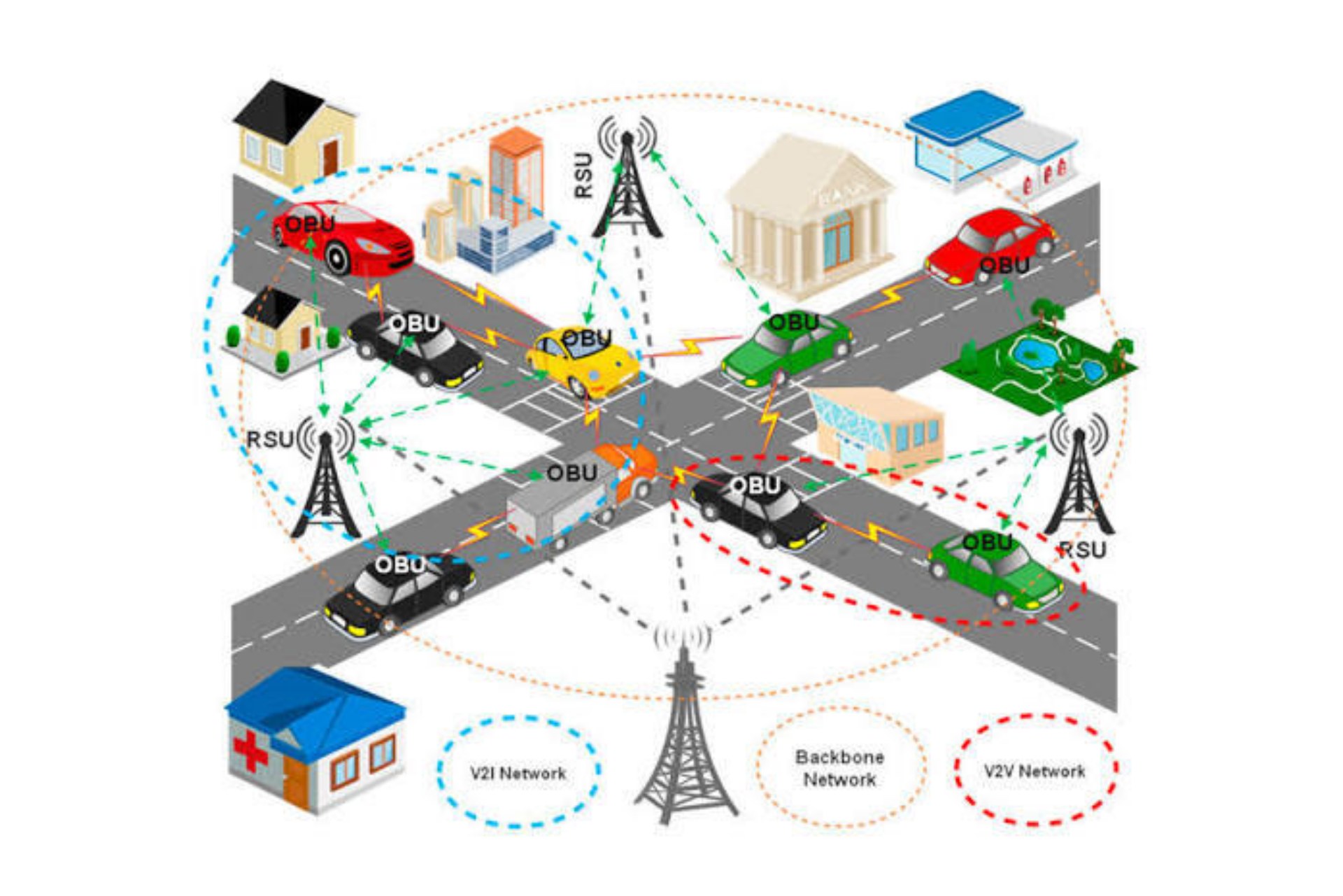
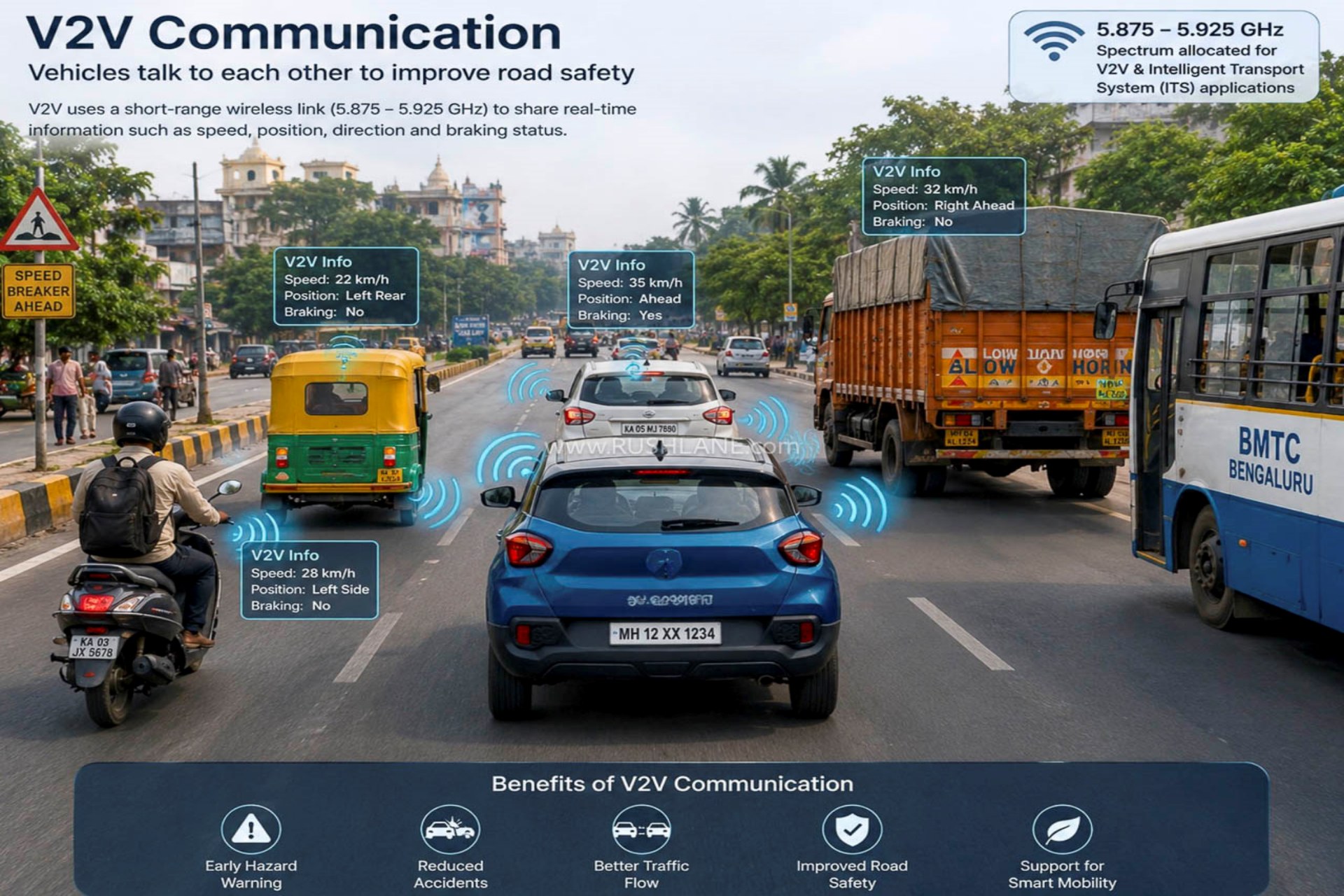
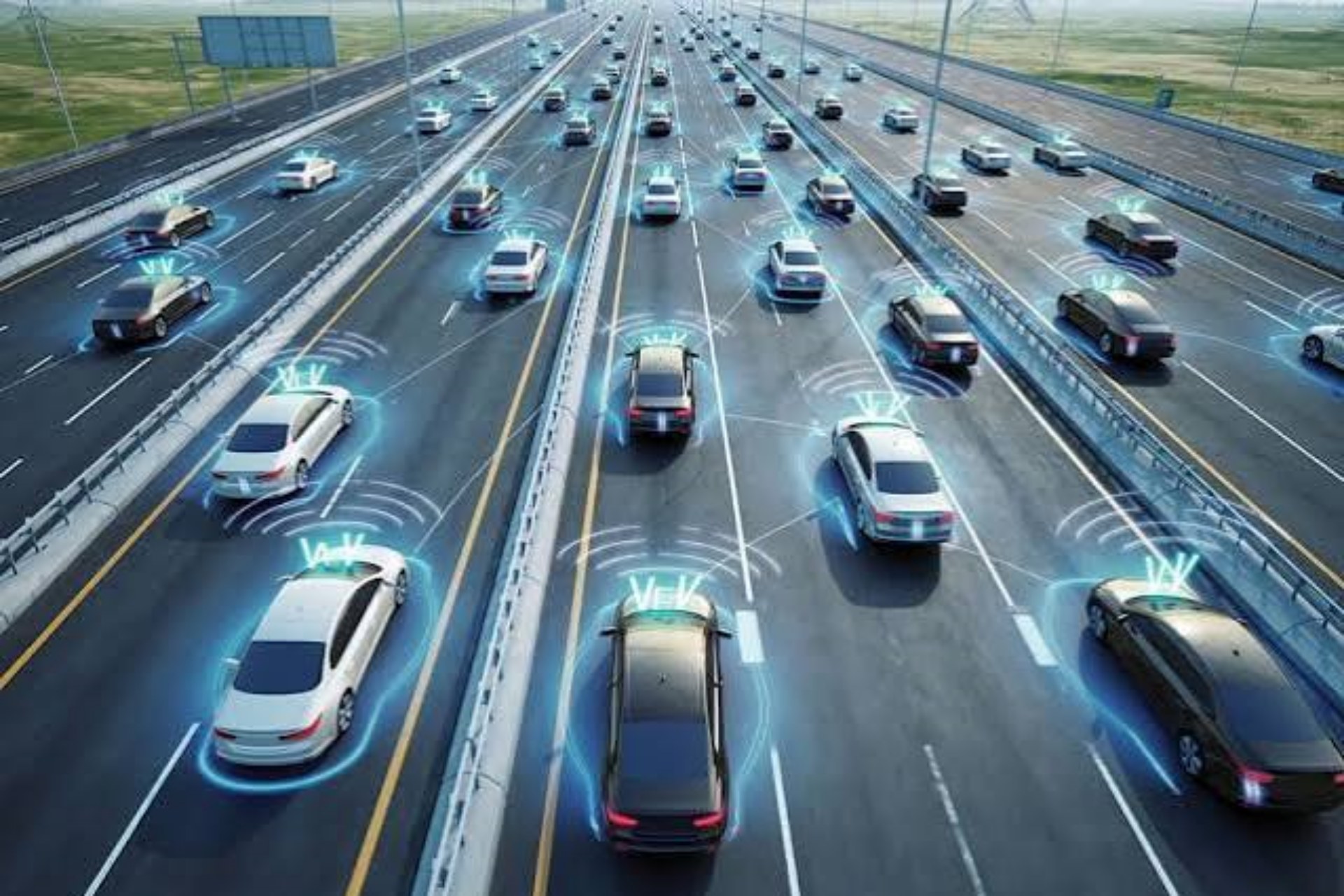
communication V2V (Vehicle to Vehicle) allows vehicles to exchange information wirelessly several hundred times per minute. These messages include data such as speed, direction of travel, position or acceleration, but “no personal information of the driver”.
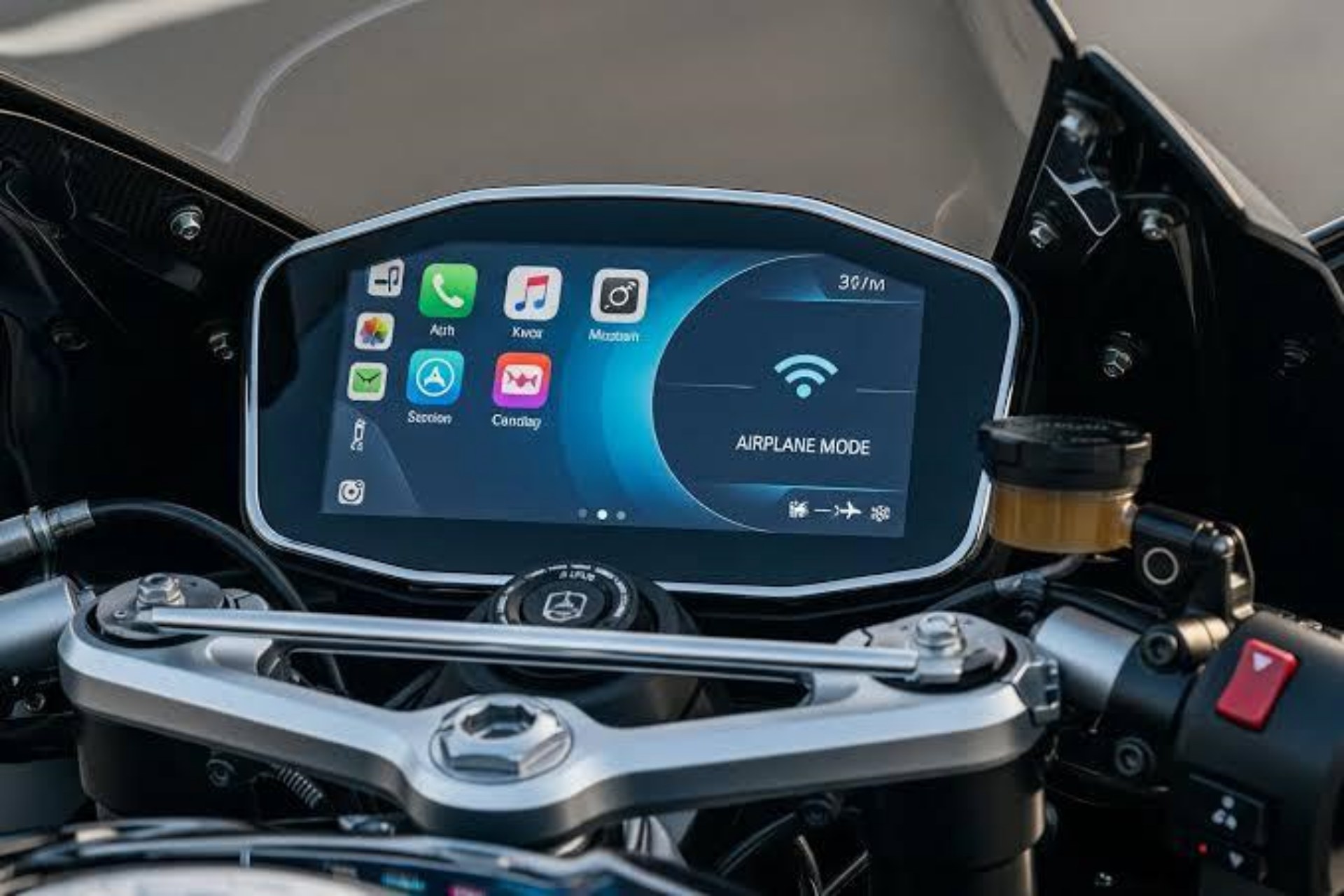
The great advantage is that the system can warn of a danger even before the driver or the vehicle’s sensors are able to detect it. For example, it can warn of emergency braking several cars ahead, of a vehicle approaching an intersection without visibility, of a sudden lane change or of the arrival of an emergency vehicle. In the case of motorcycles, this technology could be especially useful by increasing their electronic visibility compared to the rest of the traffic, one of the great challenges of road safety.
The Indian Government makes it clear that the V2V will not replace the current driving assistants (ADAS), but will work alongside them. The systems ADAS They depend on cameras, radars or sensors installed in the vehicle itself. However, all of them have limitations when there is a curve, a building, a truck blocking the view or any other obstacle. communication V2V It partially eliminates that problem because the vehicles exchange information directly with each other, regardless of whether they can see each other or not.

India: Schedule
The draft establishes a phased deployment to facilitate the adaptation of manufacturers and suppliers. From October 1, 2027, vehicles that already incorporate systems V2V must comply with the new AIS-230 technical standard. One year later, on October 1, 2028, all new vehicles in categories L, M and N must necessarily mount this technology at the factory. To make this possible, India already has reserved the frequency band comprised between 5.875 and 5.925 GHzintended specifically for applications of smart transportation (ITS), a key assignment to guarantee fast communications with very low latency.
Although the messages V2V are designed not to transmit personal data such as the driver’s name or chassis number, several privacy experts warn that a massive and continuous collection of these communications could make it possible to reconstruct the usual movements of a vehicle. There is also debate about the possible interest of insurance companies in using this information to analyze accidents or even assess the driving behavior of their clients.
Its defenders believe it could speed up investigations and reduce fraud, while critics consider it essential to establish very clear limits on who can access that data and for how long.