The collapse of a name with 140 years of history
Varta AG, based in Ellwangen (Germany), requested this Friday to benefit from insolvency proceedings under its own administration. In practice, this means that the board of directors remains in charge of the day-to-day affairs, although now under the supervision of a receiver appointed by the Stuttgart district court.
It is not the first time that the company has struggled: in 2024 it already underwent a restructuring under the German restructuring law StaRUG, after a series of failed investments that left it unable to service its debt. In that process, Porsche AG entered the capital and took majority control of the lithium-ion cell business (called V4Smart), the technology that the sports car manufacturer needs for its own electric models.
The Austrian businessman Michael Tojner, majority shareholder, and Porsche then injected 60 million euros, left out the rest of the shareholders and took the company public. The creditors, for their part, gave up more than half of their credits in exchange for participating in future profits. Less than two years later, that plan has failed.
Apple, the client who went to China

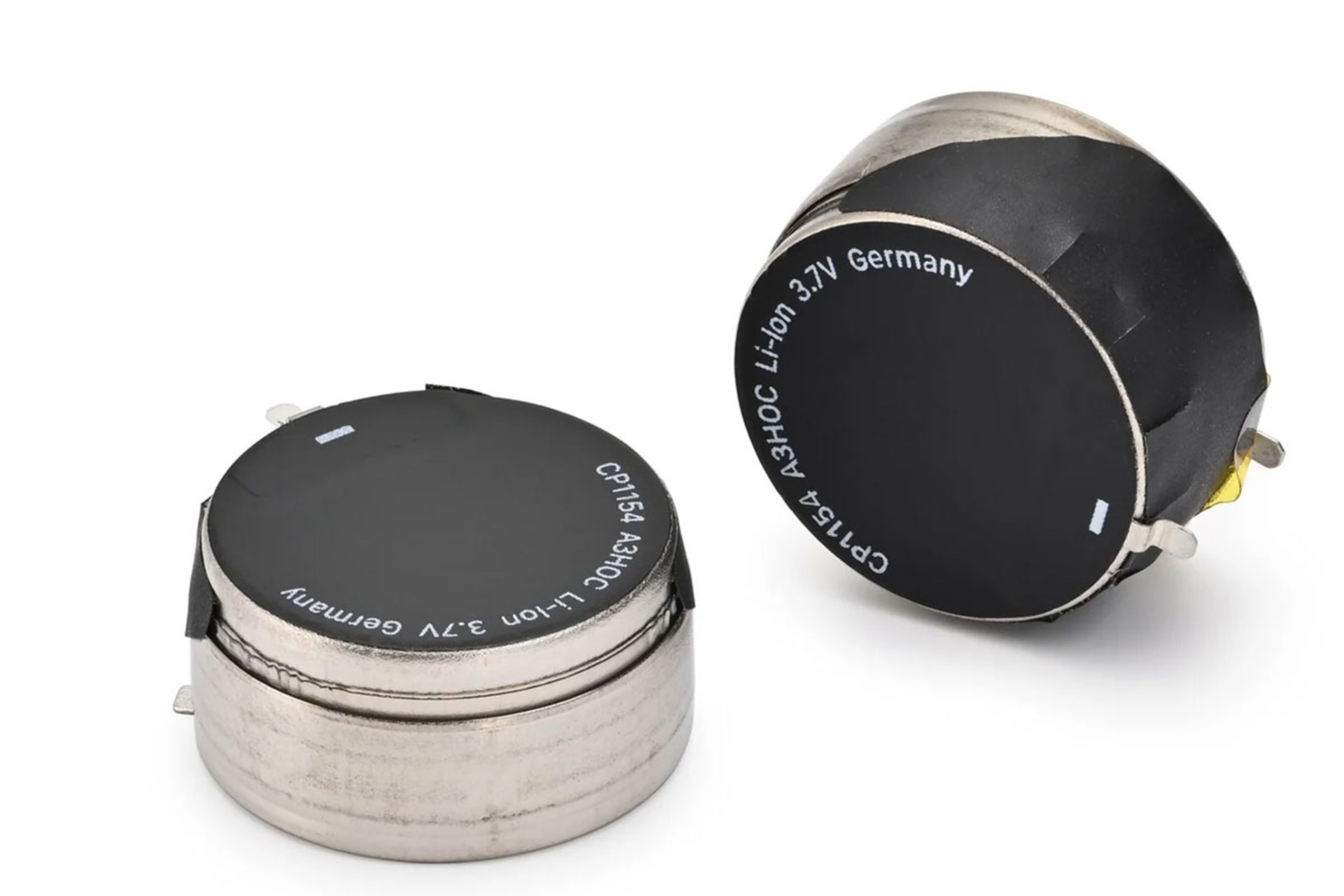
Varta’s own statement points out as the causes of this new crisis a worsening of market conditions, weaker demand and negative exchange effects. But there is one factor that outweighs the rest: the decision of a key client—Apple—to end the collaboration. The Cupertino giant will now buy its “CoinPower” rechargeable button batteries, the ones used in AirPods, in China, instead of at the Varta plant in Nördlingen (Bavaria), a factory that had been massively expanded just a few years ago. CEO Michael Ostermann acknowledged that the company has faced “major challenges” in recent quarters and that management is working to preserve as many jobs as possible.

The current owners – Porsche and Tojner – have not wanted to put on the table a new injection of capital, which creditors had estimated at an average amount of double digits of millions of euros. Without that fresh money, and although Varta insists that it is not in default, the company is heading towards over-indebtedness.
What is saved and who gets it
Here is the most important twist of the announcement: the profitable consumer battery division (Varta Consumer Batteries) is excluded from the insolvency proceedings of the parent company and three of its subsidiaries. It is a unit configured as legally, operationally and financially independent, valued at 240 million euros, and creditors – led by Deutsche Bank and several hedge funds – intend to take control of it.
Self-administration has also been requested for Varta Microbattery, a manufacturer of button batteries for hearing aids, in which Tojner has shown interest, although demanding deep cuts. Varta also manufactures energy storage systems for photovoltaic installations, a business that is currently outside the media focus of this crisis.
And what happens to your motorcycle battery?
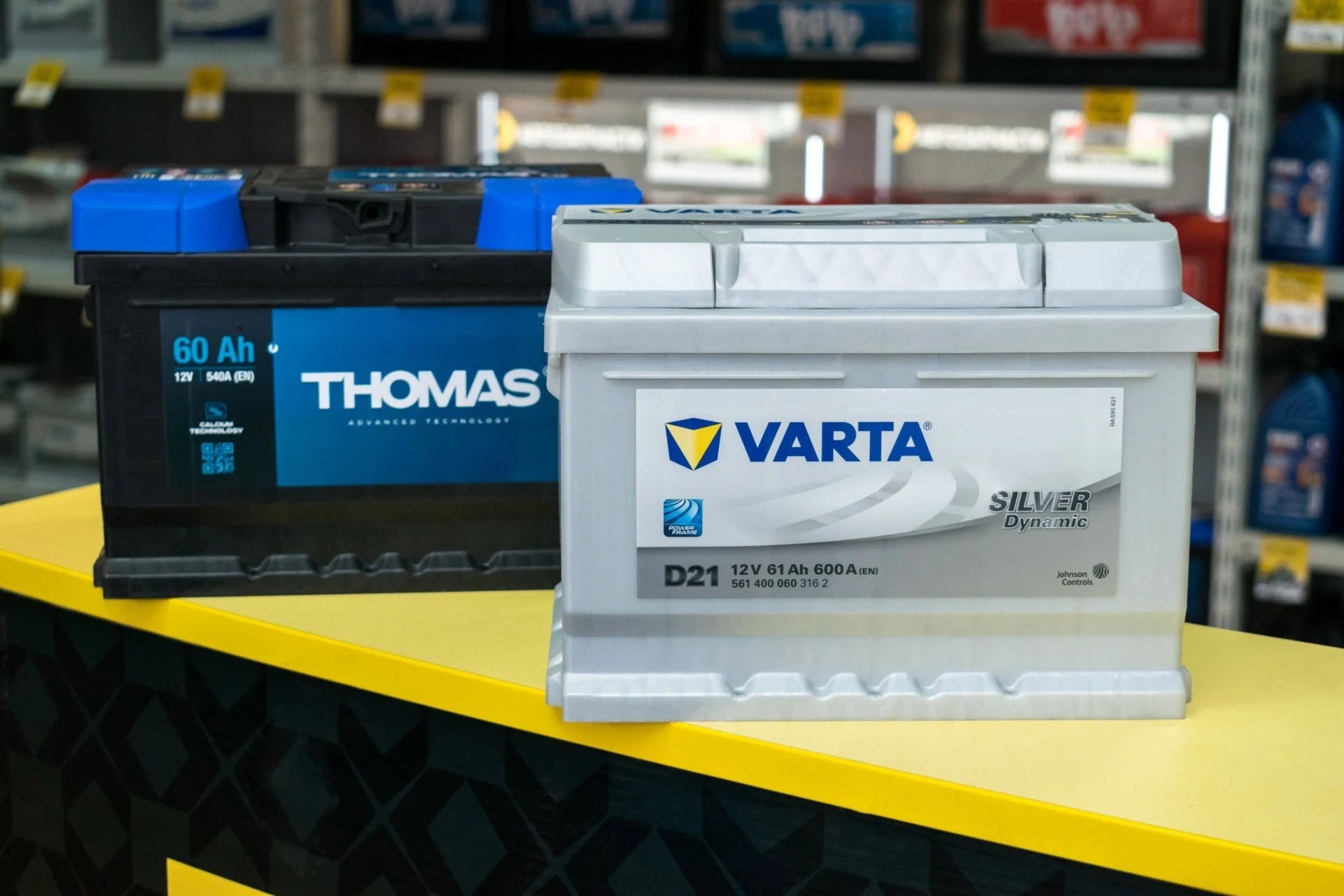
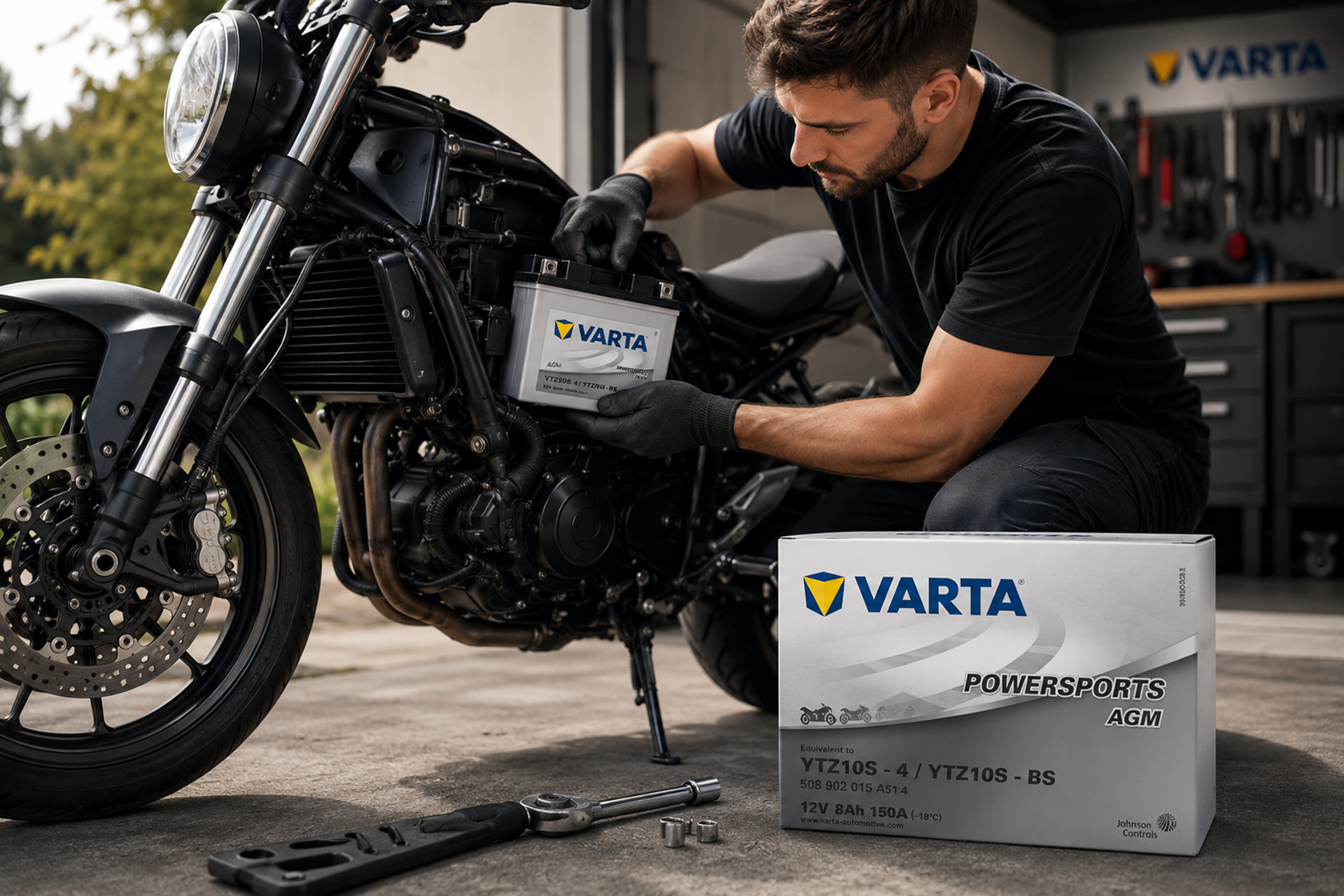
The name Varta generates very understandable confusion among bikers. If your Honda, your BMW or your Ducati has a starter battery with the Varta logo – the range known as Powersports, also present in quads, jet skis and snowmobiles – that battery does not leave the factories of Varta AG, the company that has just entered into competition.
The division of starting batteries for vehicles (cars, motorcycles, machinery) was separated from the original Varta group more than two decades ago and today belongs to Clarios, formerly Johnson Controls Power Solutions, which manufactures and markets under license of the brand. It is a different company, with different shareholders, without any corporate relationship with the Varta AG of Ellwangen that is in the headlines today. In other words: the Varta AG crisis does not put at risk the supply of the Powersports batteries that start your motorcycle every morning.
A pulse that still has a way
The Stuttgart court now has the final say on whether to accept the requested self-administration procedure. Meanwhile, the Varta name – with 140 years of history behind it – once again demonstrates how complex the traceability of a brand can be when different divisions end up in the hands of completely different owners. For the average biker, the moral is simple: before worrying about the supply of your next battery, it is worth looking at who actually makes what is written on the label.