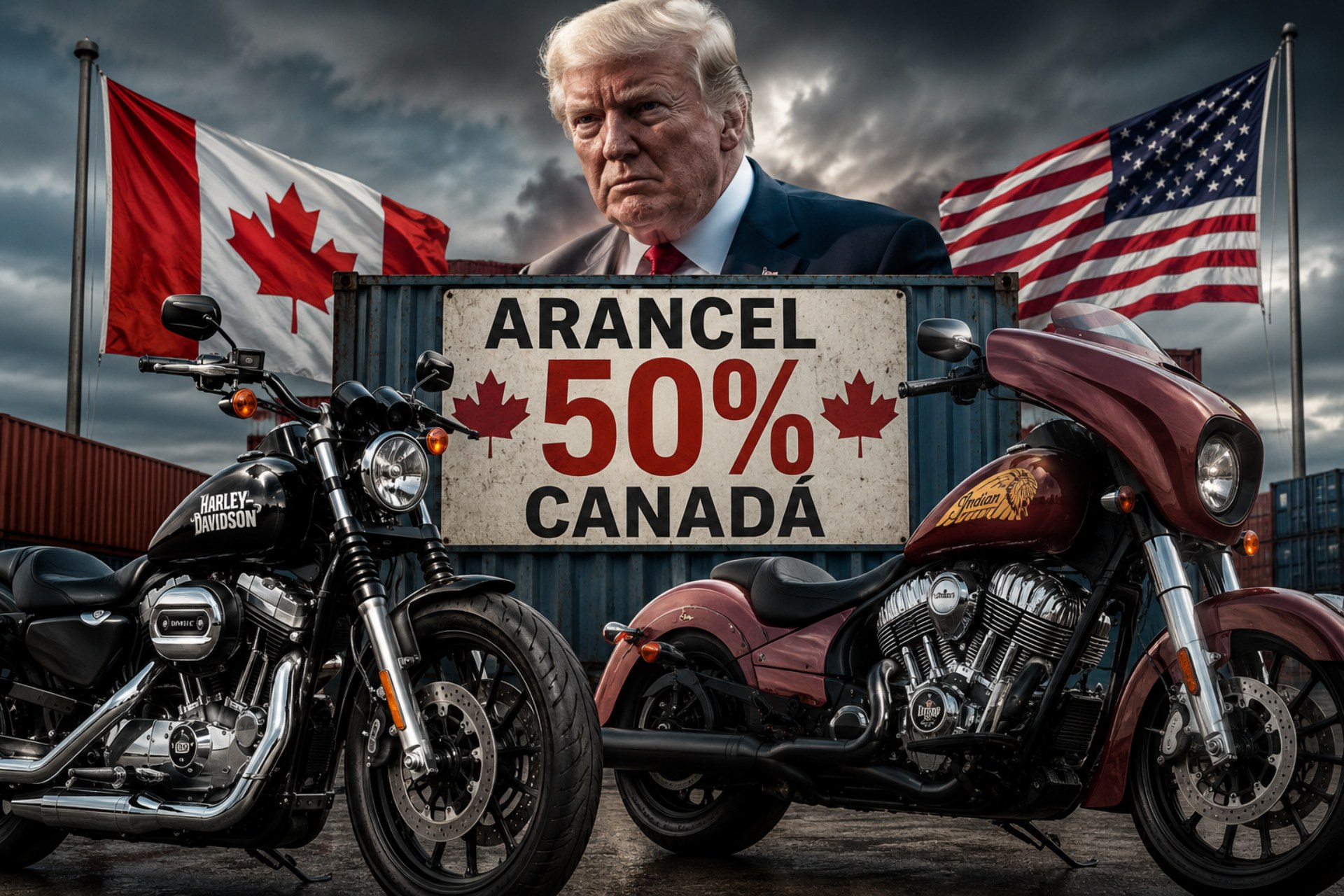
The measure is part of Canada’s response to new US tariffs on Canadian products and affects a much broader list of products, although large-displacement motorcycles manufactured in the United States have a clear symbolic component.

The 50% tariff comes into force on September 8 in Canada
The Government of Canada has officially confirmed that the new countermeasures will come into force at “00:01 hours on September 8, 2026”, that is, and that they contemplate rates of 15%, 25% and 50%, depending on the product affected. In the case of motorcycles with combustion engines of more than 800 cc, the type will be 50%.
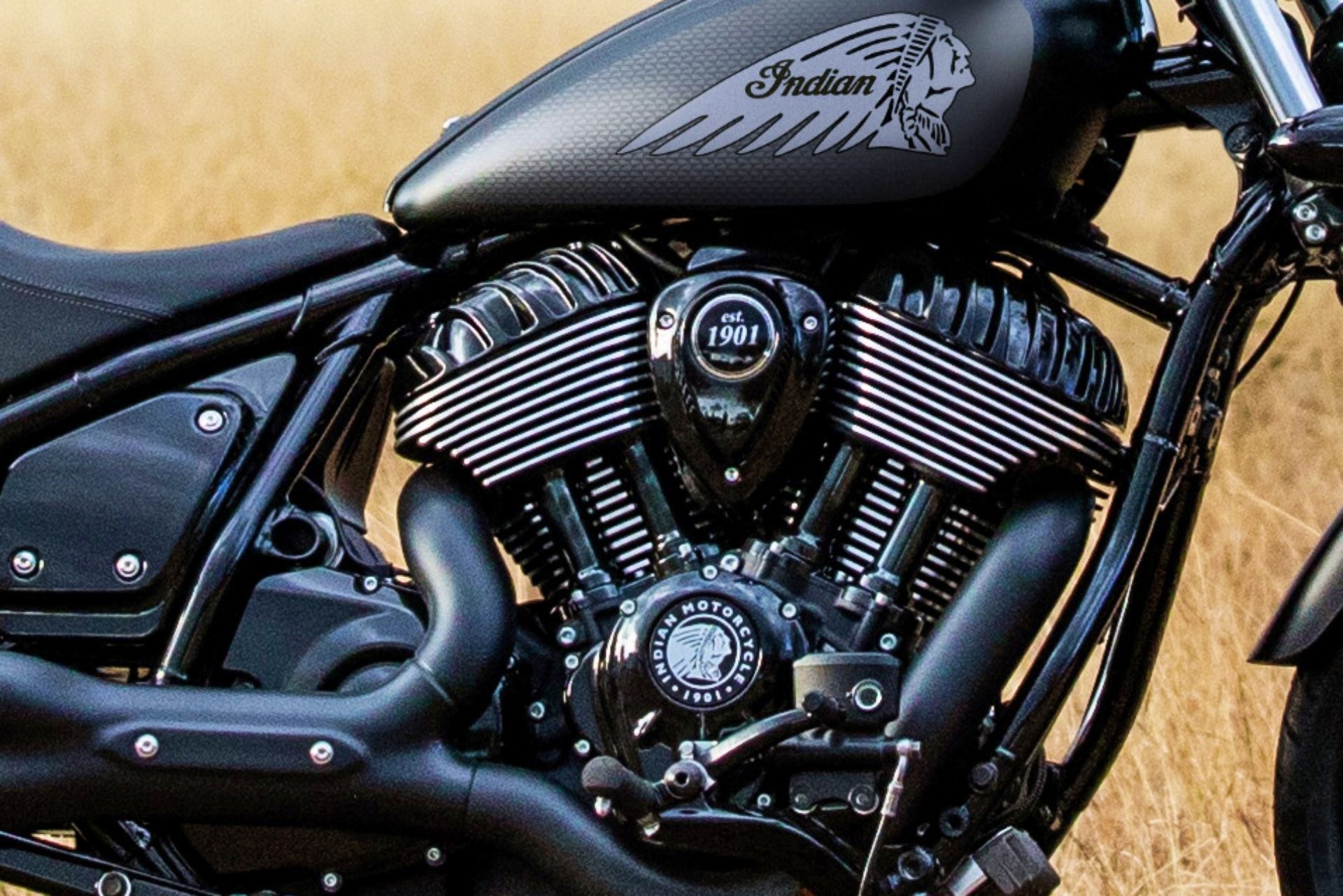
The Canadian standard does not expressly mention Harley-Davidson either Indian. What it does is establish a technical criterion: “Vehicles included in tariff heading 8711.50.00, corresponding to motorcycles with internal combustion engines whose displacement exceeds 800 cc, are affected”.
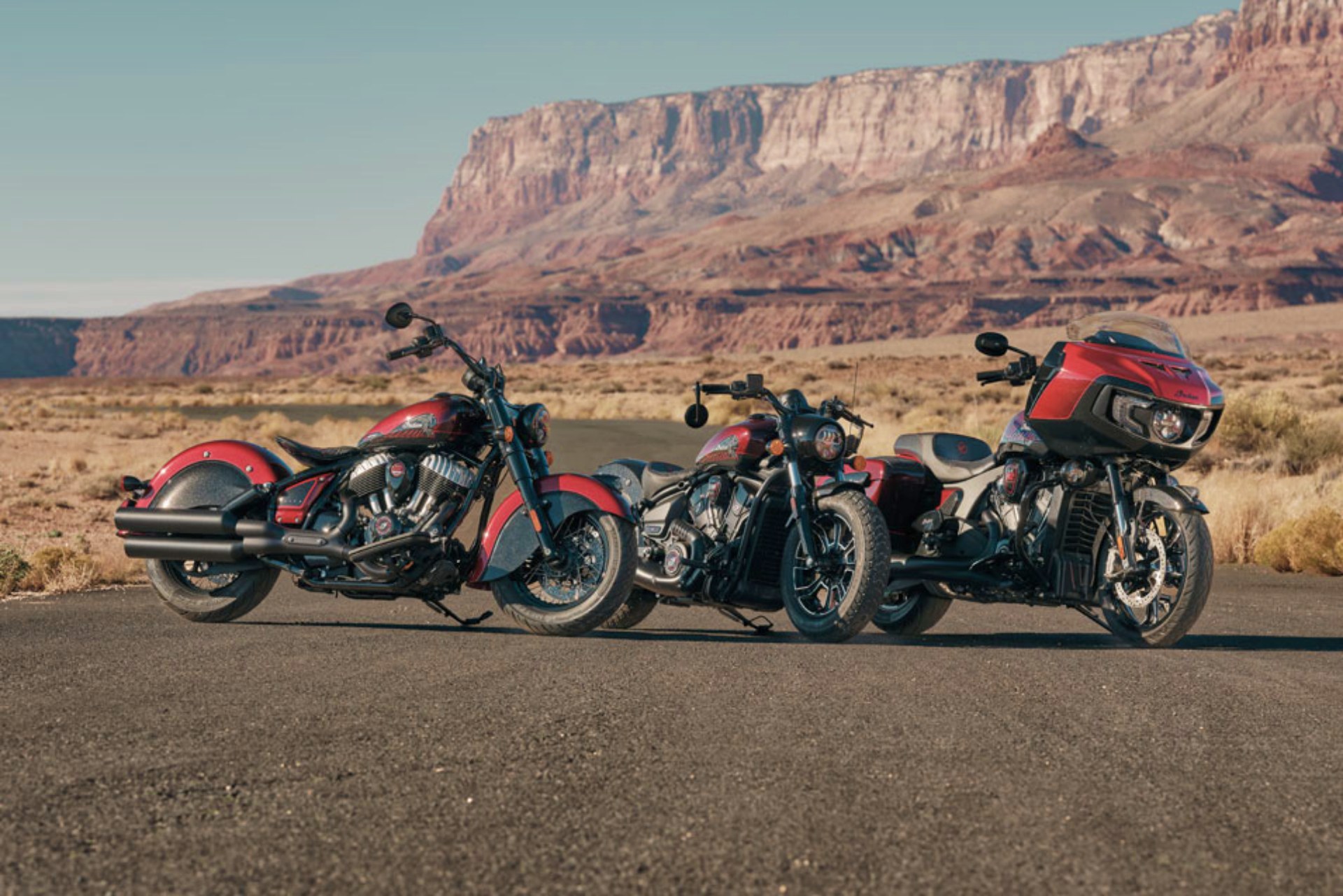
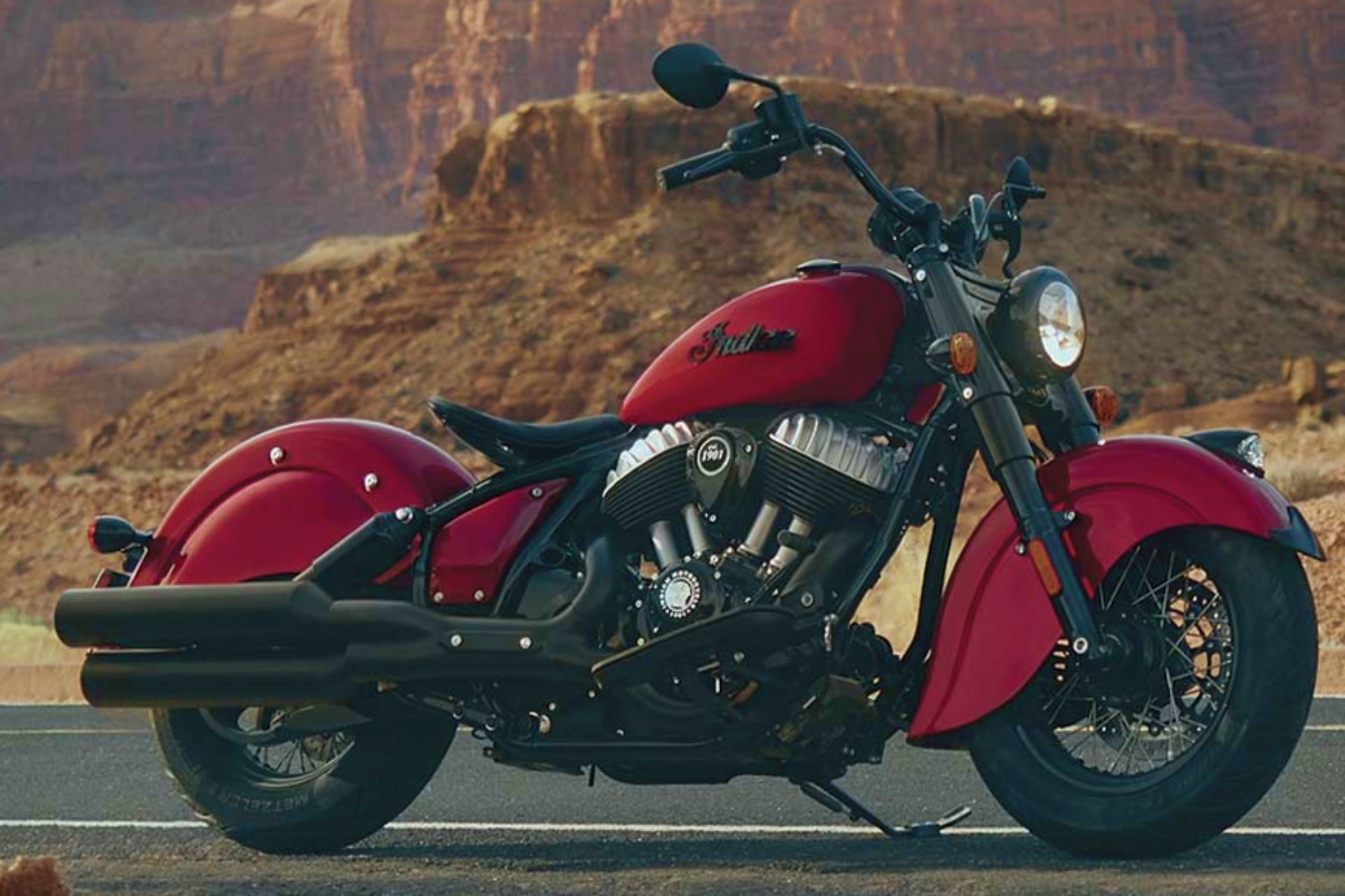
In practice, this places much of the range of Harley-Davidson directly in the line of fire. It also affects large displacement models. Indian that are considered products of American origin. And there is an important difference: the tariff applies to products of American origin.
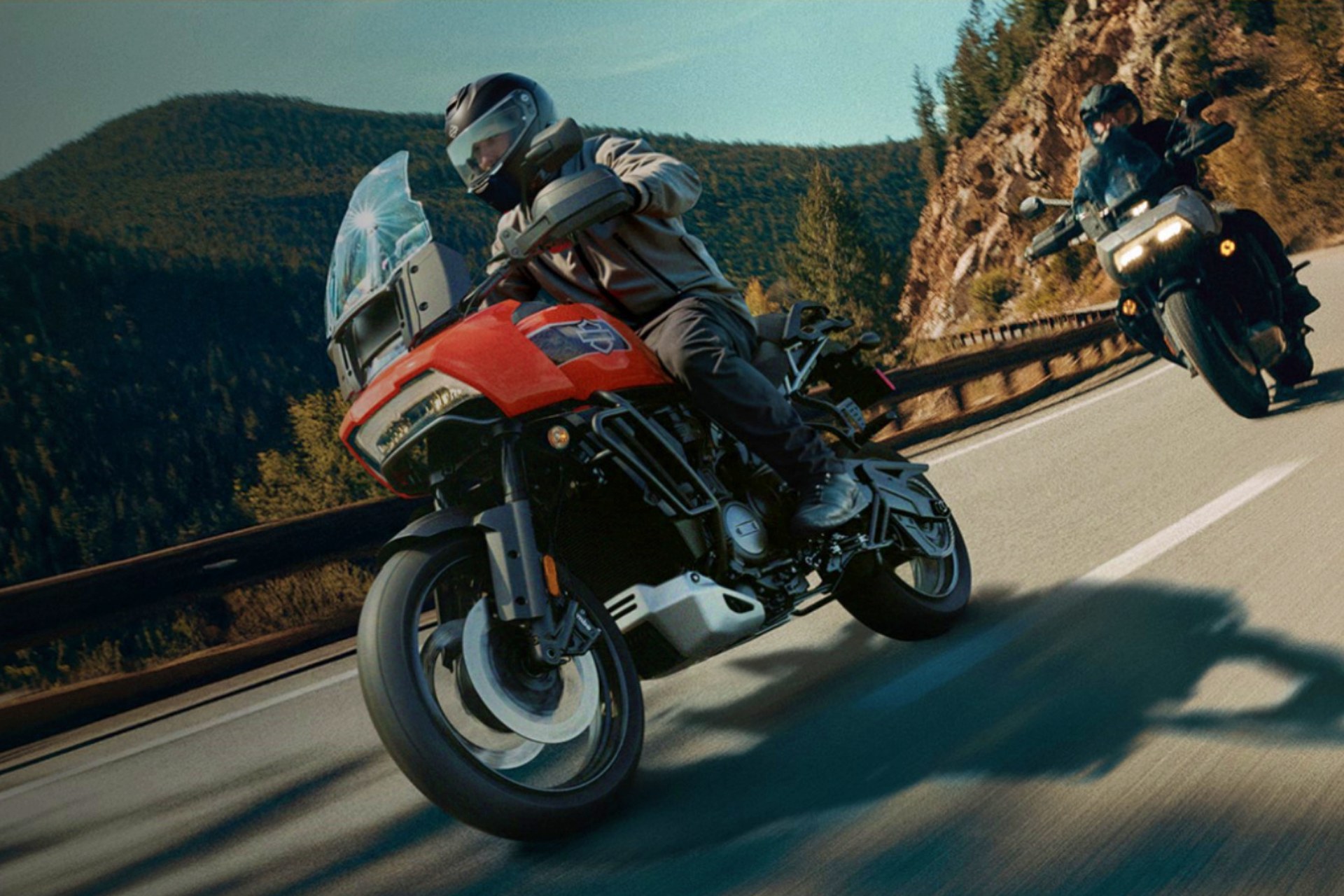
Therefore, it is not enough for a motorcycle to simply belong to an American brand; The origin of the vehicle is a determining element for it to be subject to the new rate. This means that not all motorcycles of a given brand are necessarily affected in the same way. The key date is next September 8.
Canada has established that the new countermeasures will begin to be applied at 00:01 that day, as we mentioned before. The decision comes after the United States applied new 50% tariffs on certain Canadian products. Ottawa has decided to respond with equivalent measures on a selection of products from the United States. The Canadian package affects approximately C$27.6 billion worth of U.S. imports.
The official list includes sectors as different as steel and aluminum, dairy products, household appliances, agricultural machinery, paper, plastics and electronic products. Therefore, we are not facing a tax created exclusively to punish Harley-Davidson either Indian. Motorcycles are part of a much broader commercial response.
What does a 50% tariff really mean?
The key is to understand that a 50% tariff does not necessarily mean that the final price of a motorcycle will automatically increase by 50% at the dealer. The tax is applied to the import and enters its cost structure. Then, the manufacturer, importer and distributor will have to decide how to absorb that increase. They can assume a part, transfer it to the client or distribute the impact between different links in the chain.
But in any case, the room for maneuver is considerably reduced. For example, a motorcycle that had a value subject to tariff equivalent to 20,000 euros would face 10,000 euros of tariff if that entire amount were subject to 50%. That does not mean that the final price has to increase exactly those 10,000 euros, but it helps to understand the magnitude of the problem. And on large displacement motorcycles, where the starting price is already high, the potential impact can be considerable.
A particularly relevant measure for Harley-Davidson
Harley-Davidson It has an especially important relationship with Canada. The Canadian market represents a small part of its global sales, but remains one of the relevant international markets for the company. The situation is especially delicate because a good part of the range that fits the profile of the new tariff uses large displacement engines and is manufactured in the United States.
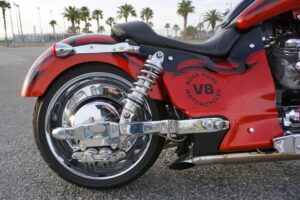
This means that models belonging to families as important as touring, CVO or certain Cruiser They may encounter a completely different cost structure in Canada if they meet the cylinder capacity and origin conditions established by the regulations. Indian It is also facing a complicated scenario. The American brand competes precisely in a segment where large displacements are protagonists, so an important part of its offer may be exposed to the new tariff.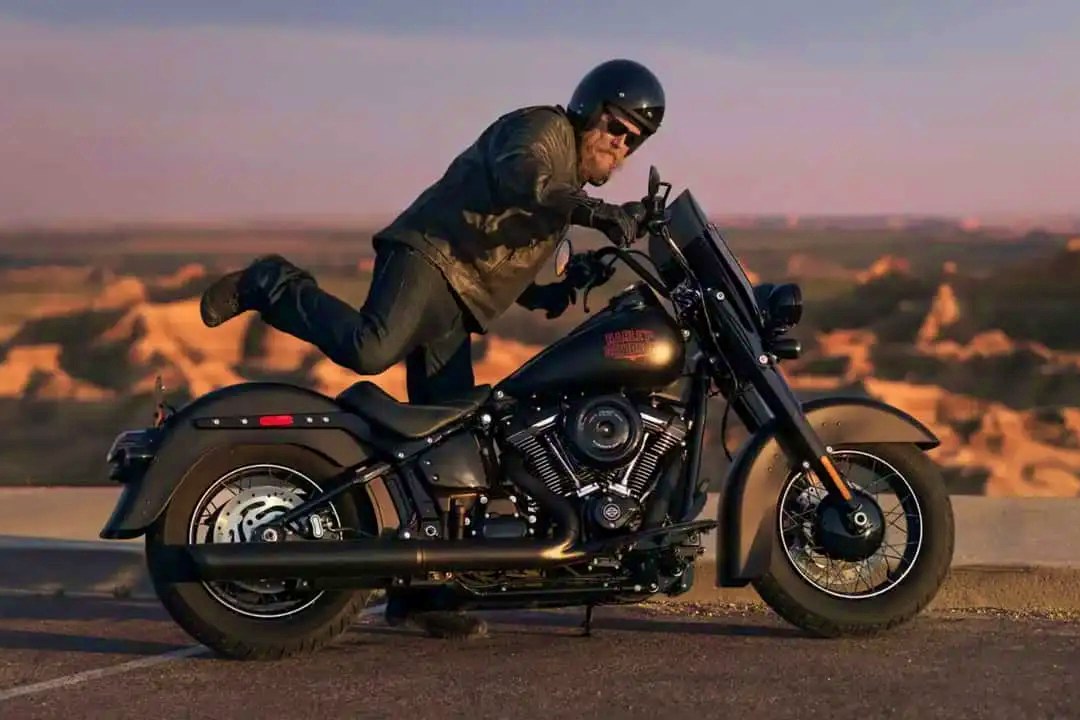
Not all American motorcycles are affected
He “800 cc limit is essential”. The Canadian measure specifically refers to motorcycles with internal combustion engines larger than 800 cc. Motorcycles of 800 cc or less are excluded from this specific item. Electric motorcycles are also excluded from this classification, which appear in a different tariff heading. The official Canadian list itself separates motorcycles with electric motors from taxed combustion ones.
Therefore, it would be incorrect to claim that Canada just imposed a 50% tax on all American motorcycles. The blow is aimed at a very specific segment: “large displacement combustion motorcycles of American origin.”
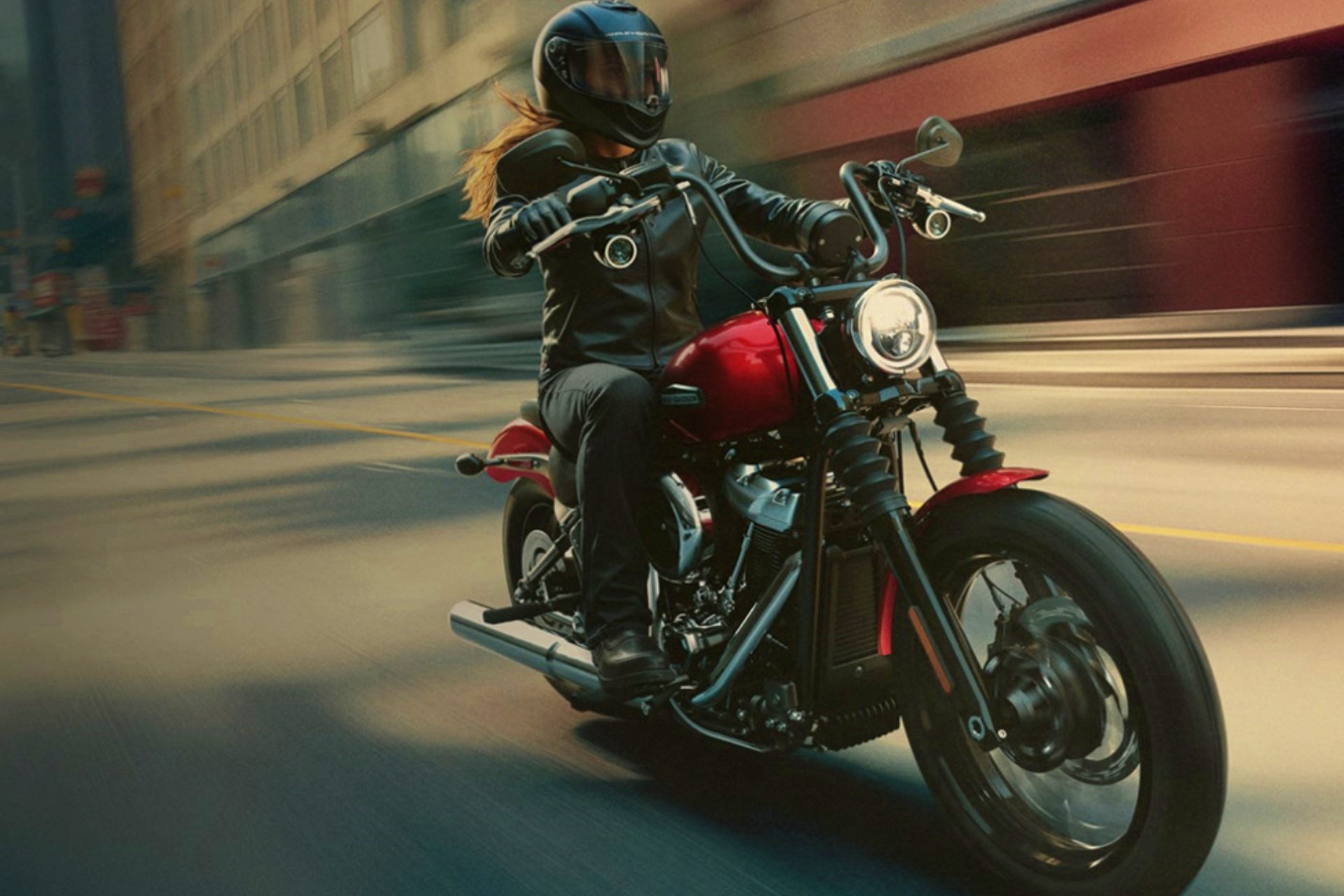
A shame, another trade war that once again affects motorcycles
The Canadian decision is another chapter in the trade escalation between the United States and its main partners. Canada explains that its new measures are a direct response to US tariffs and that the rates applied to each product are linked to the US measures that Ottawa seeks to counteract.

It is too early to know how much the measure will ultimately impact the price that Canadian customers will see. What is confirmed is that the tariff will begin to apply on September 8 and that American combustion motorcycles over 800 cc are included in the official list with a rate of 50%. Additionally, Canada states that its new countermeasures will not apply to US goods already in transit to the country when they come into effect.
That opens a small window for units already on the way, although it does not change the scenario for future imports that meet the tariff requirements. For Harley-Davidson and Indianthe challenge will now be to decide how much of that additional cost they can absorb and how much will end up being passed on to their customers.