Representatives of the Royal Spanish Motorcycle Federation (RFME) have visited in Teruel, within the framework of the celebration of the Baja World Championship, one of the environmental actions linked to the project Tervalis Foundation Bajo Cer0² Teruelan initiative that seeks to make sports competition compatible with specific measures to reduce and compensate emissions.
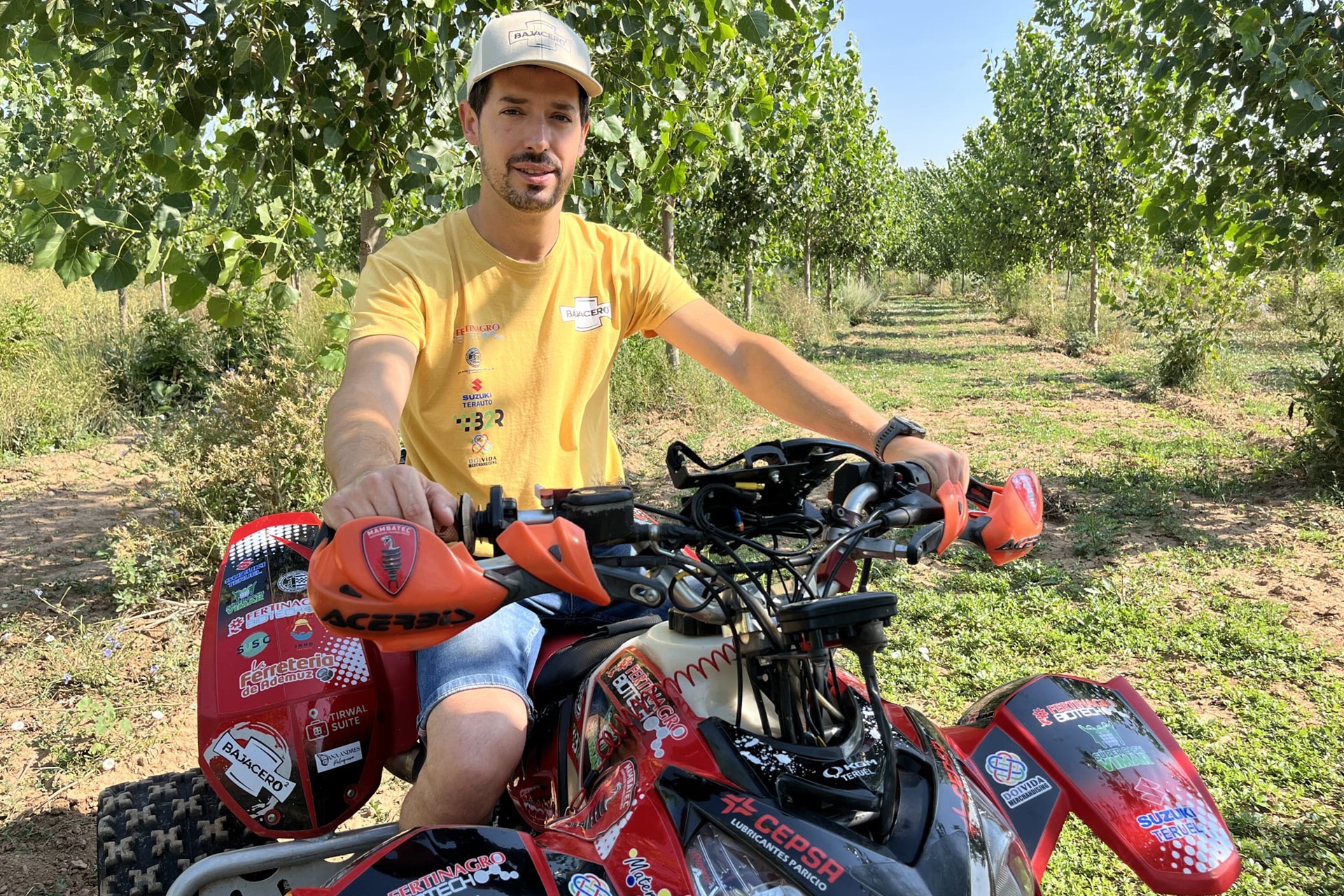
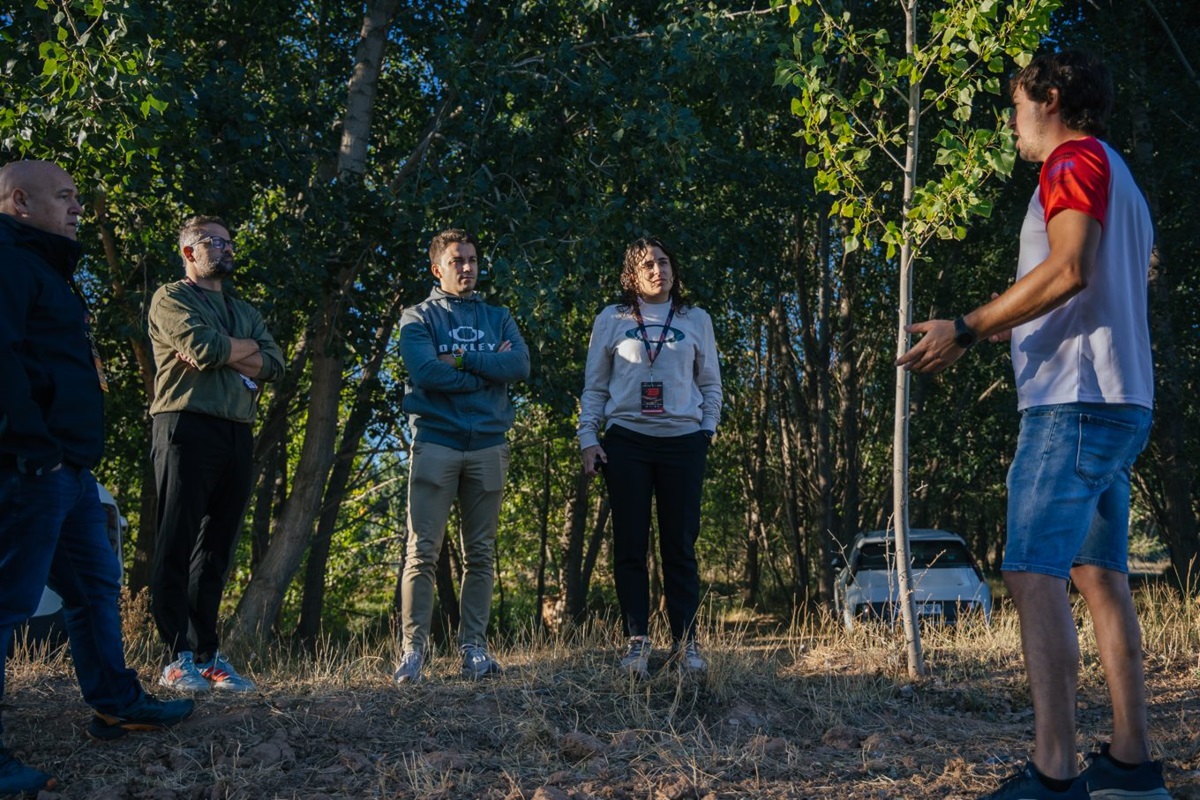
The director of the Sustainability Commission of the RFME, those responsible for Esedos Event—the event’s organizing company—and members of the project, headed by the pilot from Teruel Julio Escuder Ferrer. The day allowed us to see first-hand one of the poplar plantations used as part of the strategy to compensate for the emissions generated by the team’s sporting participation.

The actions of the Bajo Cer0² project in detail
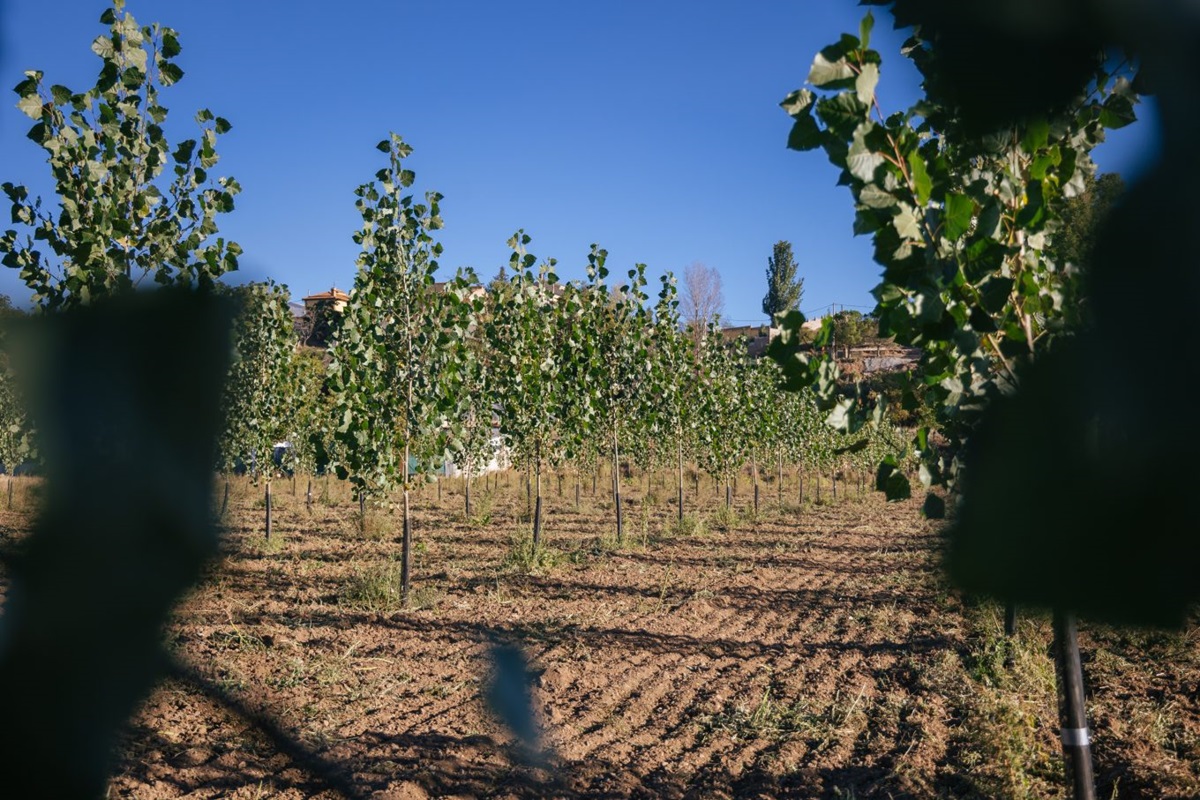
The Bajo Cer0² project, led by Julio Escuder Ferrer with the support of the Tervalis Foundation, has been developing in recent years different actions aimed at measuring, reducing and compensating its environmental impact. Among them stands out the planting of nearly 3,000 poplar trees in the province of Teruelto which will be added a new performance of 232 copies.
These plantations act as natural carbon sinks as the trees grow and fix CO₂, and also allow part of the actions linked to carbon footprint compensation to be carried out directly in the territory that hosts the competition.
The initiative also incorporates measures aimed at reducing emissions before resorting to compensation. In this edition, for example, the team has incorporated a 100% electric assistance vehicle into its logistics, thus reinforcing a strategy that combines reduction, efficiency and compensation.
A shared responsibility
The visit takes on a special meaning due to the joint participation of pilots, federation officials and organizers. For the RFME, the fact that the different actors involved in a competition begin to incorporate sustainability into their decisions is a very positive sign for the future of motor sport.
The involvement of organizing companies such as Events demonstrates that sustainability should not be understood only as an individual initiative of certain teams or drivers, but as a shared responsibility in which organizers, federations, athletes, collaborators and territories can participate.
The RFME Sustainability Commission considers it especially positive that there is increasing awareness of the need to know the carbon footprint generated by sporting activity, adopt measures to reduce it and, for those emissions that cannot be avoided, develop appropriate and verifiable compensation actions.
Jesús López, director of the RFME Sustainability Commission and sustainability commissioner of the event, commented during the visit: “It is a good sign that pilots and organizers incorporate sustainability into their way of understanding the competition. Projects like this allow us to move from words to actions: first reduce and then compensate for what cannot be avoided, and do it in the race’s own territory.”
Beyond emissions
Sustainability occupies an increasingly relevant space within motor sport. Reducing emissions is one of its main areas of action, but not the only one: waste management, energy efficiency, responsible consumption of resources, mobility, protection of the natural environment or raising awareness among participants and fans are also part of this process.
For this reason, initiatives such as the Tervalis Bajo Cer0² Foundation constitute a good example of the evolution that the sector is experiencing: pilots who promote environmental projects, organizers who are involved in them and federations that promote and accompany the incorporation of sustainability criteria in competitions.
From the RFME, and especially from its Sustainability Commission, this type of good practices will continue to be promoted with the aim that sustainability is progressively integrated as another element in the planning and development of sporting events. The visit made in Teruel therefore leaves a particularly significant image: drivers, organization and federation sharing on the ground an initiative aimed at reducing the environmental impact of the sport and generating a positive legacy in the territory.