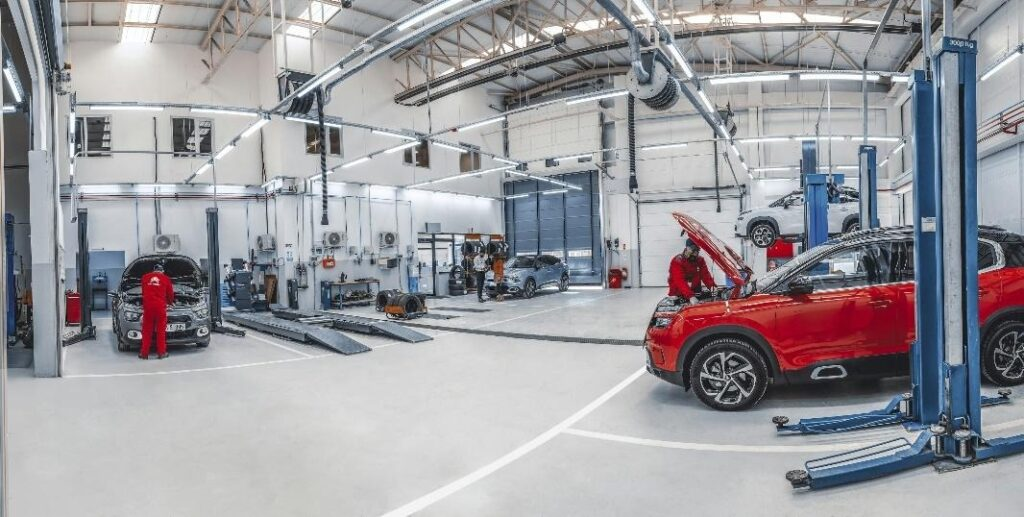
The modern automotive garage has moved well past its old role as a simple parking shelter. Homeowners now expect this space to handle electric sedans, weekend motorcycles, compact city cars, and the occasional larger SUV without forcing constant rearrangement. Planning a garage that adapts to shifting needs takes more than extra square footage. It calls for thoughtful zoning, smart utilities, and finishes built to last through years of changing vehicle ownership.
Why Professional Equipment Matters
Vehicles today carry tighter tolerances than anything built a generation ago, with sensors, low-profile rubber, and complex suspension geometry that demand precise handling during routine service. Skipping proper equipment and relying on basic hand tools risks damaging expensive components, throwing off alignment, or missing the subtle wear patterns that signal a deeper problem. Workshop-grade machines built for this kind of work cover wheel alignment, tire mounting, balancing, and lift operations under one roof. John Bean produces the full lineup of these machines, giving any serious garage the precision and speed needed to service every type of vehicle that rolls through the door.
Planning the Layout Around Flexibility
Smart layout decisions begin before the foundation is poured. Floor plans should allow for at least two clear bays, with enough clearance on each side for doors to open fully without dinging walls or neighboring cars. Ceiling height deserves equal attention since taller vehicles and any future lift installation depend on it. A minimum of three meters gives most owners room to grow into larger trucks or to add overhead storage without compromise.
Walking paths between bays should stay unobstructed even when both vehicles sit inside. Storage cabinets pushed flush against the walls protect them from accidental scrapes, while pegboards and overhead racks keep tools within reach but off the floor. Designing the space with movement in mind prevents the common frustration of constantly shuffling boxes to access a single item.
Power and Charging Infrastructure
Electrical planning has become the single most important upgrade for any garage built today. Installing a dedicated circuit for vehicle charging is no longer optional for households thinking long term. Even owners who currently drive combustion vehicles benefit from running the conduit during construction, since retrofitting later costs significantly more than including it from the start.
Beyond charging, the garage needs ample outlets at workbench height, ceiling-mounted plugs for retractable cord reels, and weatherproof exterior outlets near the door. Lighting should combine bright overhead fixtures with task lighting above any workbench. LED panels distribute light evenly across the ceiling, eliminating the harsh shadows that older fluorescent tubes used to cast across engine bays.
Climate Control and Ventilation
A garage that swings wildly between hot and cold throughout the year shortens the life of everything stored inside. Battery packs in electric vehicles lose efficiency in extreme cold, paint and adhesives degrade in summer heat, and tools rust when humidity builds up without circulation. Proper insulation in the walls and ceiling stabilizes temperatures and pays for itself through lower energy use in adjoining living spaces.
Ventilation deserves its own attention. Exhaust fans rated for the room volume clear out fumes from cleaning solvents, fresh paint, and idling engines. Passive vents near the ceiling allow heat to escape during warmer months, while a dehumidifier handles the moisture that creeps in during damp seasons. Together, these systems protect both the vehicles and the materials stored alongside them.
Flooring That Handles Real Use
Bare concrete cracks, stains, and produces dust that coats every surface in the room. Epoxy coatings or polyaspartic finishes solve all three problems while giving the floor a clean, finished look that resists oil, brake fluid, and battery acid. Textured additives mixed into the topcoat improve traction when floors get wet from rain or snowmelt dripping off tires.
Drainage planning matters just as much as the surface itself. A gentle slope toward a central drain or toward the garage door keeps water moving rather than pooling under vehicles. For garages in regions that see real winter weather, this single detail prevents ice patches from forming overnight and protects the floor coating from prolonged moisture exposure.
Security and Smart Technology
Today’s garage often holds as much value as the rooms inside the main house. Reinforced doors, deadbolts on side entries, and motion-activated lighting around the perimeter form the first line of defense. Cameras placed at the door and inside the bay give homeowners visual confirmation when alerts come through their phones.
Smart controllers add convenience that quickly becomes essential once installed. Door openers that report their status, leak detectors near the water heater, and connected thermostats give owners full awareness of the space even when they are away from home. Routing all these devices through a single hub keeps the system manageable rather than fragmenting it across multiple apps.
Storage Solutions That Grow With the Household
Vehicle ownership tends to expand over time. A young family that starts with one sedan often ends up with two cars, a couple of bikes, and a trailer within a decade. Garage storage should anticipate this trajectory rather than fight against it. Modular shelving systems let owners reconfigure the layout as needs change, and overhead platforms reclaim ceiling space that would otherwise go unused.
Hooks and brackets sized for specific items keep bicycles, ladders, and seasonal gear off the floor entirely. Cabinets with locking doors protect chemicals and sharp tools from curious children, while clear bins on open shelves make finding small parts easier than digging through opaque containers.
Building With Tomorrow in Mind
The vehicles of the next decade will likely combine features that current owners can only guess at. Autonomous parking, larger battery packs, and new charging standards will reshape how garages function.
Building in flexibility now, through generous power capacity, adaptable layouts, and durable finishes, ensures the space stays useful regardless of which direction the industry takes. Owners who plan ahead today save themselves the cost and disruption of major renovations once those changes arrive.