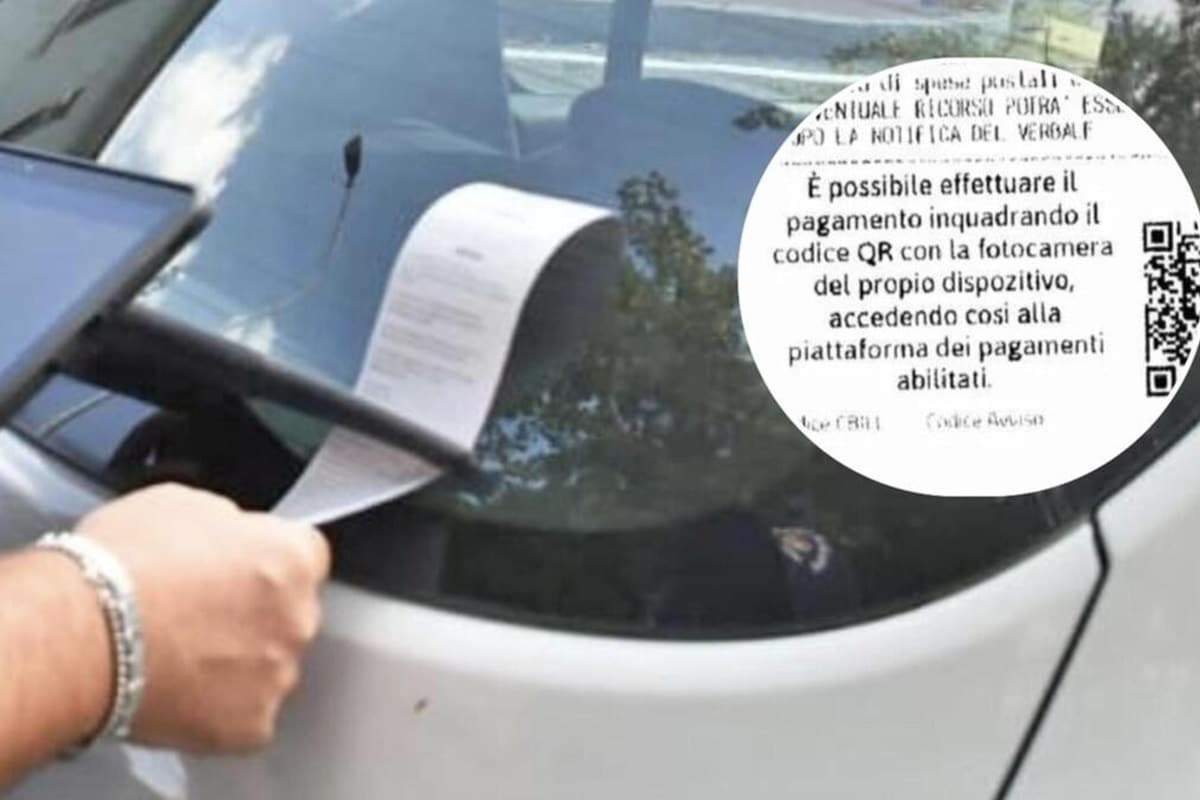
The scam of fake fines It has become the “our daily bread” in some countries within the surroundings of the European Union. Recently, these types of illegal activities have been detected in the Italian city of Florence, as they explain in detail in a delay colleagues in an article related to this matter. Apparently the cacos have gone a step further in terms of modus operandi Employee to bring this type of fraud to fruition.
False fines now also on paper
Until now fraud, false fines, had proliferated in a general way in virtual terms. That is, the scams used to receive in their digital equipment (smartphones, computers, tablets, etc.) some type of notice where it was notified that it had been fined and was urged to pay online the amount of the supposed fine.
In Florence they have gone a step further, since in recent weeks several victims have been scammed through the false fines that the scammers left on the windshield of their car. You are, in paper format, have up to a QR code from which the scam access to a fraudulent website from which the payment is processed.

As declared by the Florentine town halls themselves, “These documents completely lack legal validity and were not issued by the Municipal Police, since they constitute a fraudulent activity for the illegal extortion of money.” They also urge anyone who is a fine of this type in their vehicle to meticulously inspect the document before proceeding the payment, since the false fines contain evident irregularities referring to various aspects of the form and content of the falsified documents.
Virtual scams follow the agenda
It is evident that this type of fraud related to false fines has taken a channel at least worrying. In our country, just a few months ago, the Incibe (National Cybersecurity Institute), notified on its official website the “Distribution of notifications of fake fines by mail and message supplanting the DGT”. As explained in detail:
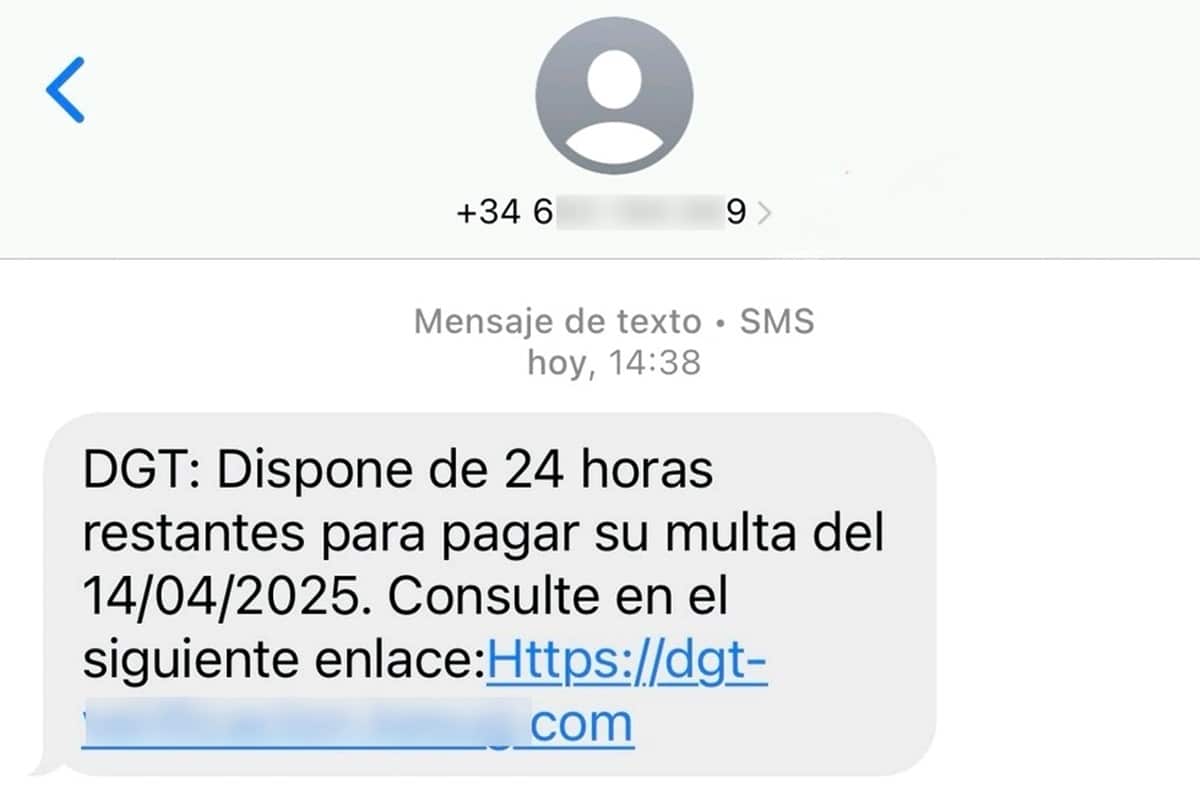
«Several fraudulent campaigns have been detected that supplant the General Directorate of Traffic (DGT) through emails and text messages. The attackers report the victims about an alleged traffic fine, inciting them to make an urgent payment. The message includes a link that redirects a false website that mimics the DGT officer and in which different personal and banking data is requested to make the alleged payment. »
If, unfortunately, we are undergoing an attempt to fraud related to the issue of false fines, from this organism they advise us not to click on any link that redirects us to external websites where they will proceed to charge us the alleged amount determined in that false fine. If, on the contrary, we have accessed the link and provided our personal and/or banking data, we should follow a series of indications that facilitate us from the INCIBE:

- Contact as soon as possible with your banking entity to indicate the necessary measures to protect the account you have provided.
- Keep all possible catches and evidence of the process, including screenshots, messages and links received. To give them greater validity, you can use the online witness service.
- Perform egosurfing periodically to check if your personal data has been filtered on the network and are being used without your consent.
- He files a complaint with the State Security Forces and Bodies, supporting you for the evidence that has compiled from fraud.
- If you have doubts about the authenticity of a notification of the DGT, remember that this agency communicates its sanctions only through postal mail or, in case of not locating yourself at your home, through a publication on the edictal board. You can also receive electronic notifications through the Electronic Road Address (DEV).
We strongly advise you to take a look at all the advice, indications and graphic evidence that they offer us from the body itself so as not to be victims of fraud, the false fines. For more information and details you can directly access the INCIBE official website.