We are practically launching the modifications to the traffic regulations in Spain and we already have Italy taking a step forward in this same sense. The transalpine country is working to change parts of the Highway Code that go in the same direction as those we have seen here but, at least seen from the outside, with lights and shadows.
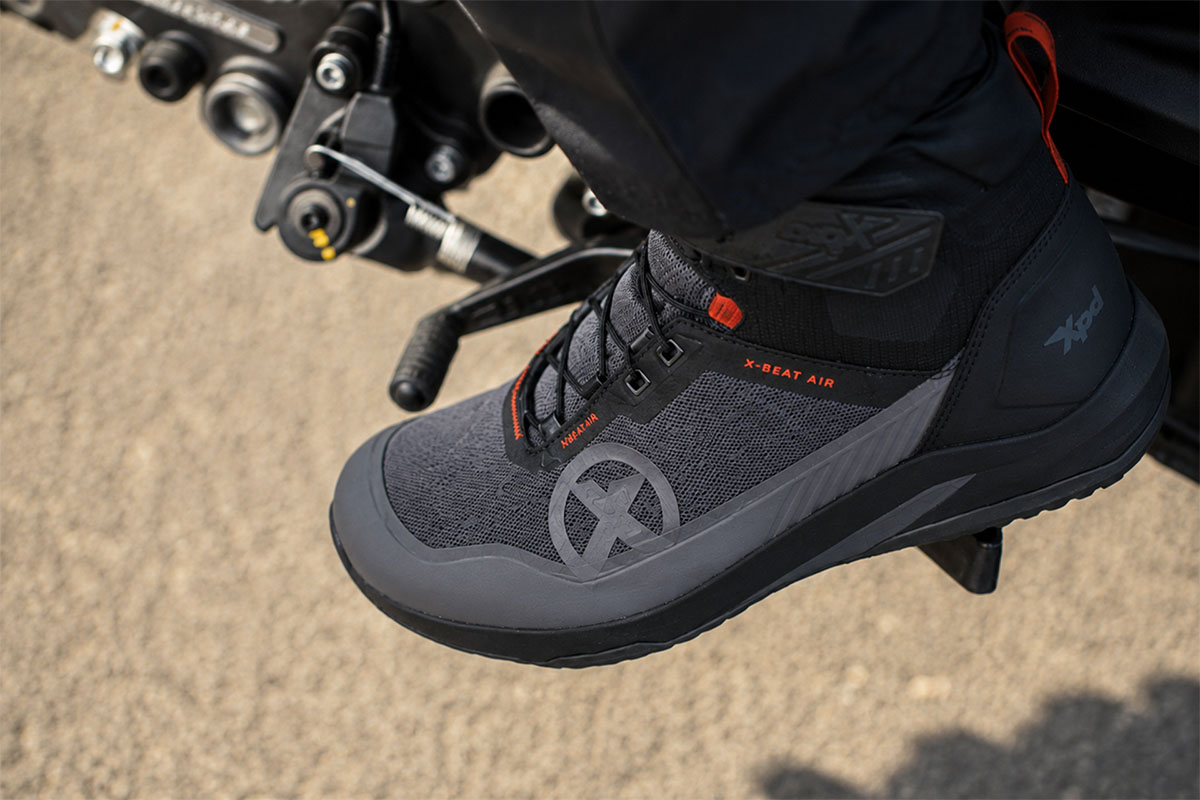
Let us remember that in Spain it is mandatory, in addition to the helmet, the use of closed shoes in all cases for the driver and passenger and gloves for interurban journeys. Well, in Italy the change in the rule will not apply to the feet but it does seek to protect the back.

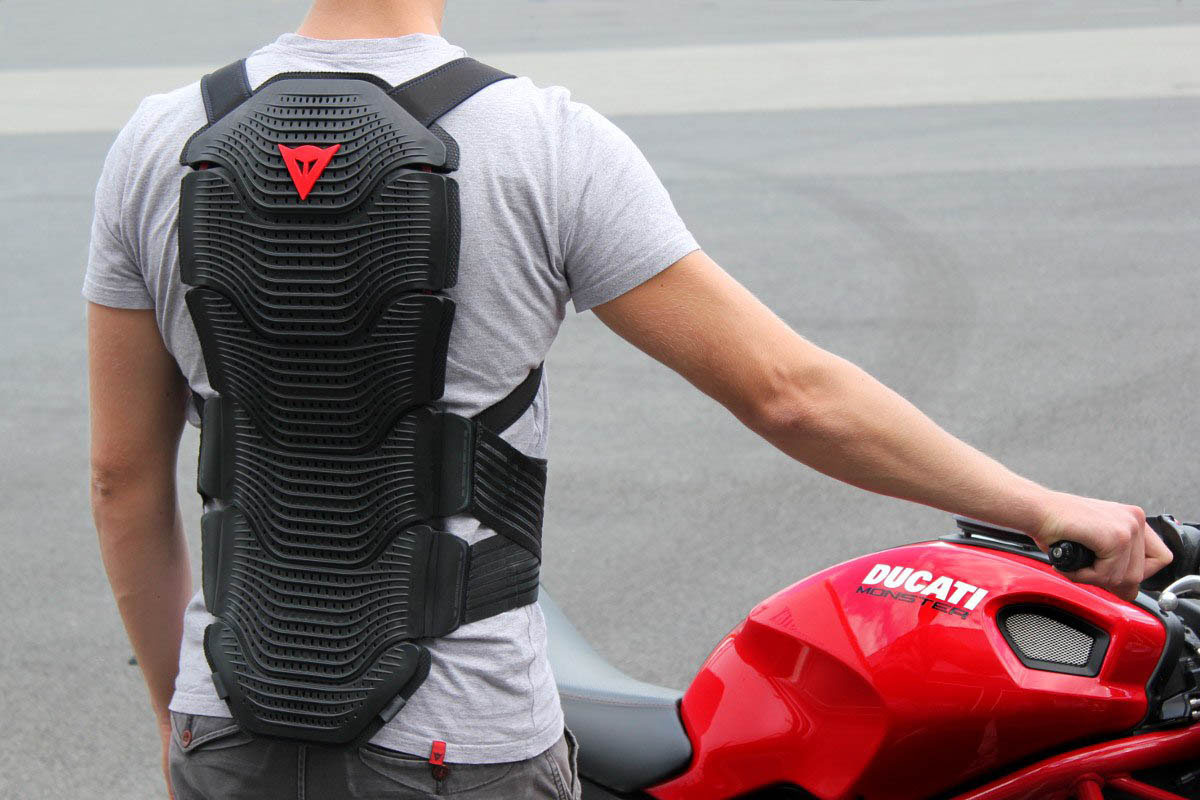
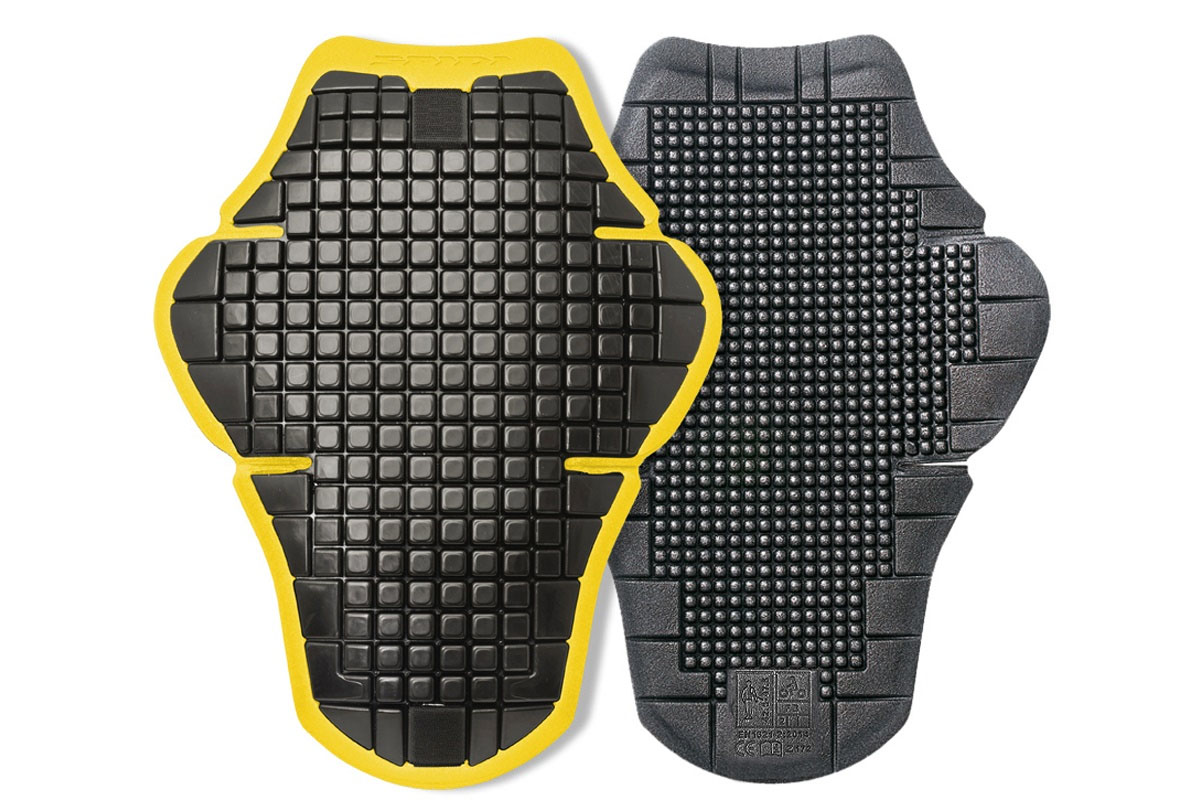
And, perhaps due to lack of need, style or any other reason, in Italy the use of closed footwear will not be mandatory, but the use of “appropriate back protection” will be mandatory (they do not speak of back protectors as such), and approved gloves for all drivers and passengers traveling on highways and extra-urban roads.
Italy has yet to define the details, but it is the first major country to take the step
That is to say, in addition to the fact that footwear is not taken into account, the obligation is in very specific cases instead of covering a much broader use. In any case, there are still many elements to be defined and we are waiting for a ruling from the Ministry of Infrastructure and Transport. For now, therefore, there remain different issues to be resolved.
What is evident is that back protection is the great pending issue that has been left to the DGT in our country, beyond finishing defining approvals to comply with as far as gloves are concerned. And although we have had rumors for many years about whether or not airbags are mandatory, a first step would have been to introduce the back protector as a mandatory protection element, whether inside the jacket or as an independent piece.
In any case, it does seem that regulations are slowly beginning to advance after decades of stagnation with the mandatory use of helmets. As for the sanctions, also an interesting topic, they will always fall on the driver, whether he is the offender or the passenger.