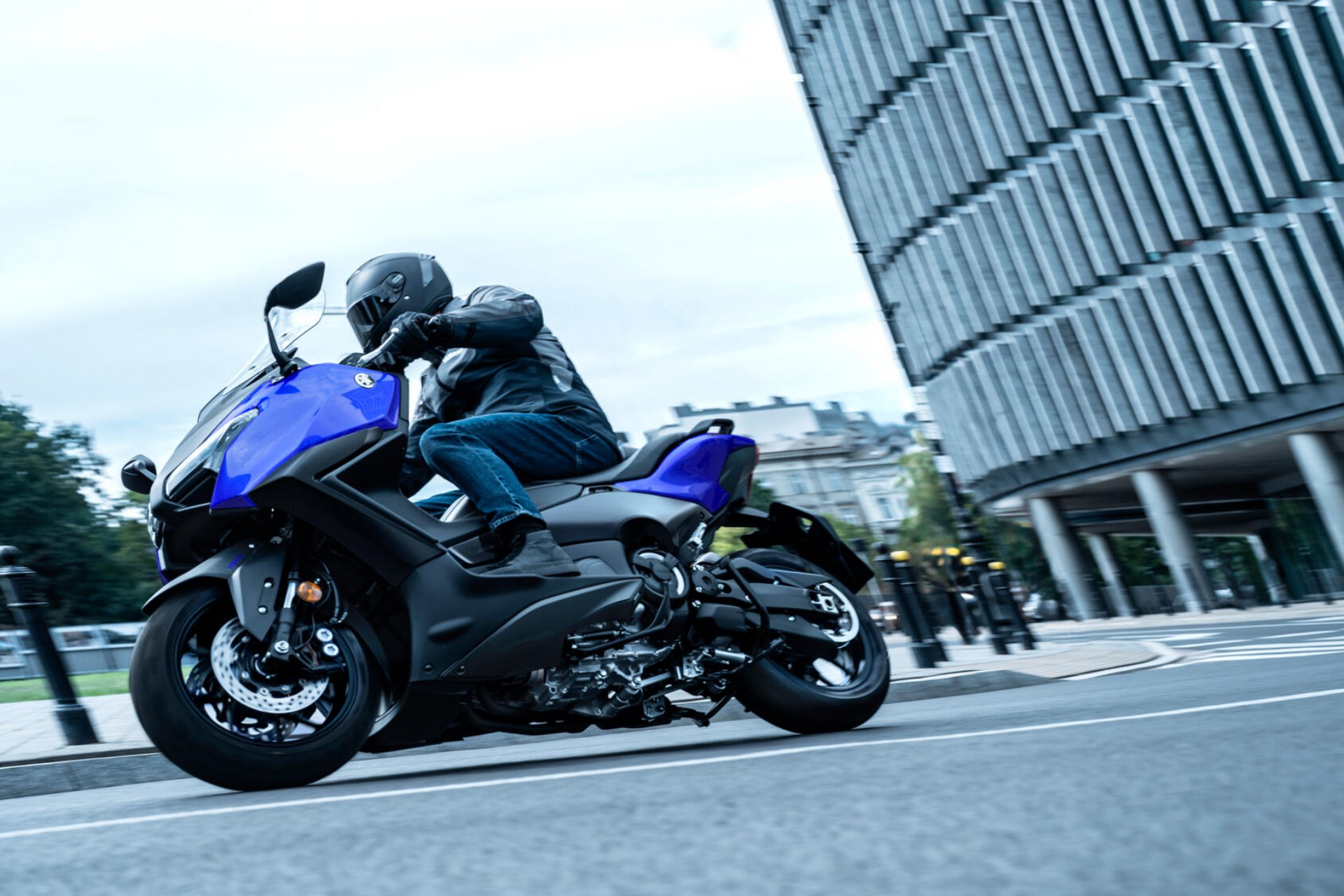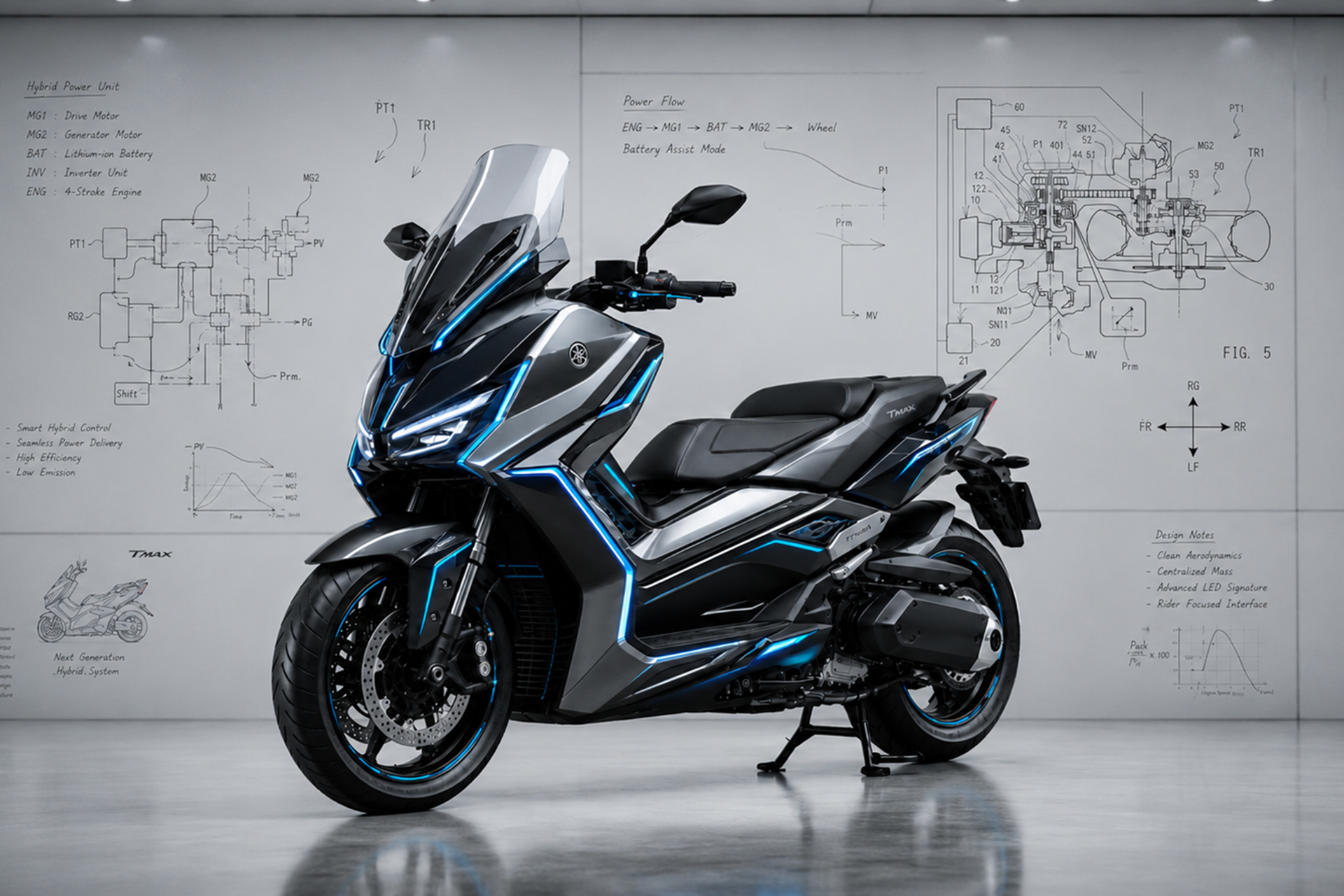
While other manufacturers have already begun to market hybrid motorcycles, yamaha continues to develop its own interpretation of this technology. In fact, the tuning fork brand has just shown, through a new series of patents, how the sophisticated tuning fork system works. Proto HEVa prototype presented last year that could become the basis of a future generation of hybrid maxiscooters.
The documents reveal a much more complex architecture than we expected. Instead of combining a combustion engine with a single electric motor, yamaha It is committed to a double electric motor system capable of automatically adapting to different driving situations, seeking the best balance between performance, consumption and autonomy.

The bet of yamaha by “hybrid technology” is not exactly new. In fact, the Iwata firm has been researching this solution for more than 2 decades. Already in 2005 it surprised with the spectacular Gen-Ryua prototype with a futuristic aesthetic that used a hybrid system inspired by that used by the Toyota Priusthe result of the long technological collaboration between both companies.
That project evolved shortly after to become the HV-Xa proposal much closer to a production model and that used the well-known twin-cylinder engine of the TMAX combined with an electric drive. However, the 2008 crisis forced numerous manufacturers, including yamahato drastically reduce their investments in research and development and leaving the project on hold.
But now, as we are telling you, and with a very different scenario marked by increasingly strict environmental regulations and a growing demand for electrified mobility solutions, the tuning fork brand is back with considerably more advanced technology.
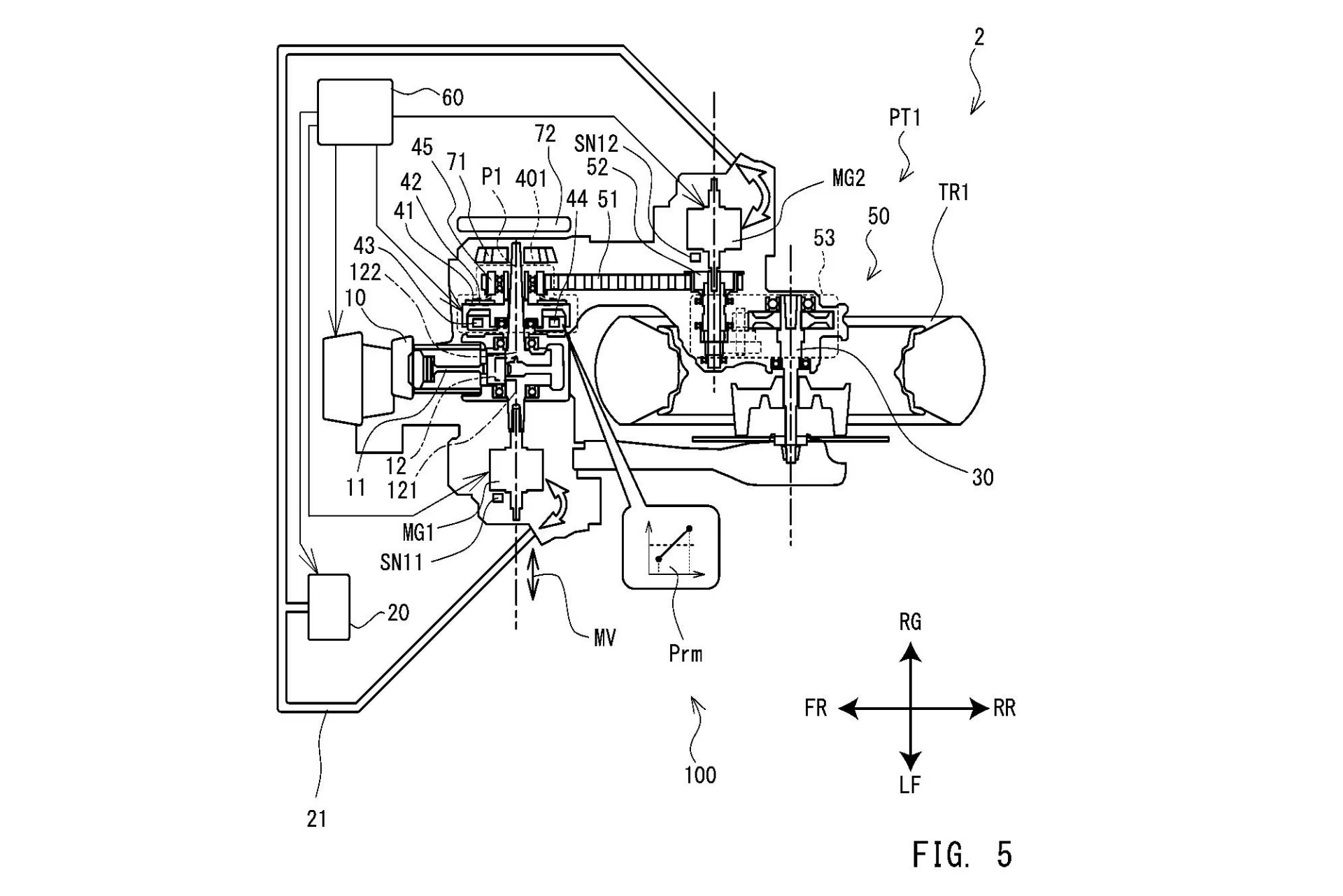
This is how Yamaha’s future hybrid scooter will work
The system developed for Proto HEV It is based on a single-cylinder combustion engine accompanied by two independent electric motors and a CVT automatic belt transmission. own yamaha defines it as a “series-parallel hybrid system”, a configuration that offers enormous flexibility by allowing it to operate exclusively with electricity, only with the gasoline engine or by combining both propulsion systems.
The main novelty lies precisely in those 2 electric motors. The first is located next to the swingarm and directly transmits the movement to the rear wheel. Powered by a high-capacity battery located in the central area of the vehicle, this motor allows it to circulate completely in electric mode, disconnecting the combustion engine using an electromagnetic clutch. In addition, it also acts as a generator during braking and deceleration to recover energy and store it again in the battery.
The second electric motor performs a completely different function. It is coupled directly to the crankshaft of the combustion engine and can act as both a starter motor and an electric generator. Thanks to this configuration, when the battery reaches a low charge level, the gasoline engine can start automatically only to produce electricity, functioning as a range extender without the need to directly drive the rear wheel.
When the driver demands greater acceleration or high speed, the system automatically connects the thermal engine with the CVT transmission through the electromagnetic clutch. At that moment, the scooter begins to operate like any conventional gasoline model, although the rear electric motor continues to collaborate when necessary to improve acceleration or reduce the effort of the combustion engine.
In fact, there is even a fourth mode of operation designed to offer maximum performance. In this situation, both electric motors work simultaneously with the gasoline engine to provide the greatest possible delivery of torque and power to the rear wheel.
One of the most interesting aspects of the new patents is not only the mechanics, but also the sophisticated electronic management system that coordinates the entire set. The control unit must decide at all times which energy source is most efficient, controlling the operation of both electric motors, the combustion engine, energy regeneration, the accelerator and the automatic clutch, so that the transitions between the different modes are completely imperceptible to the driver.
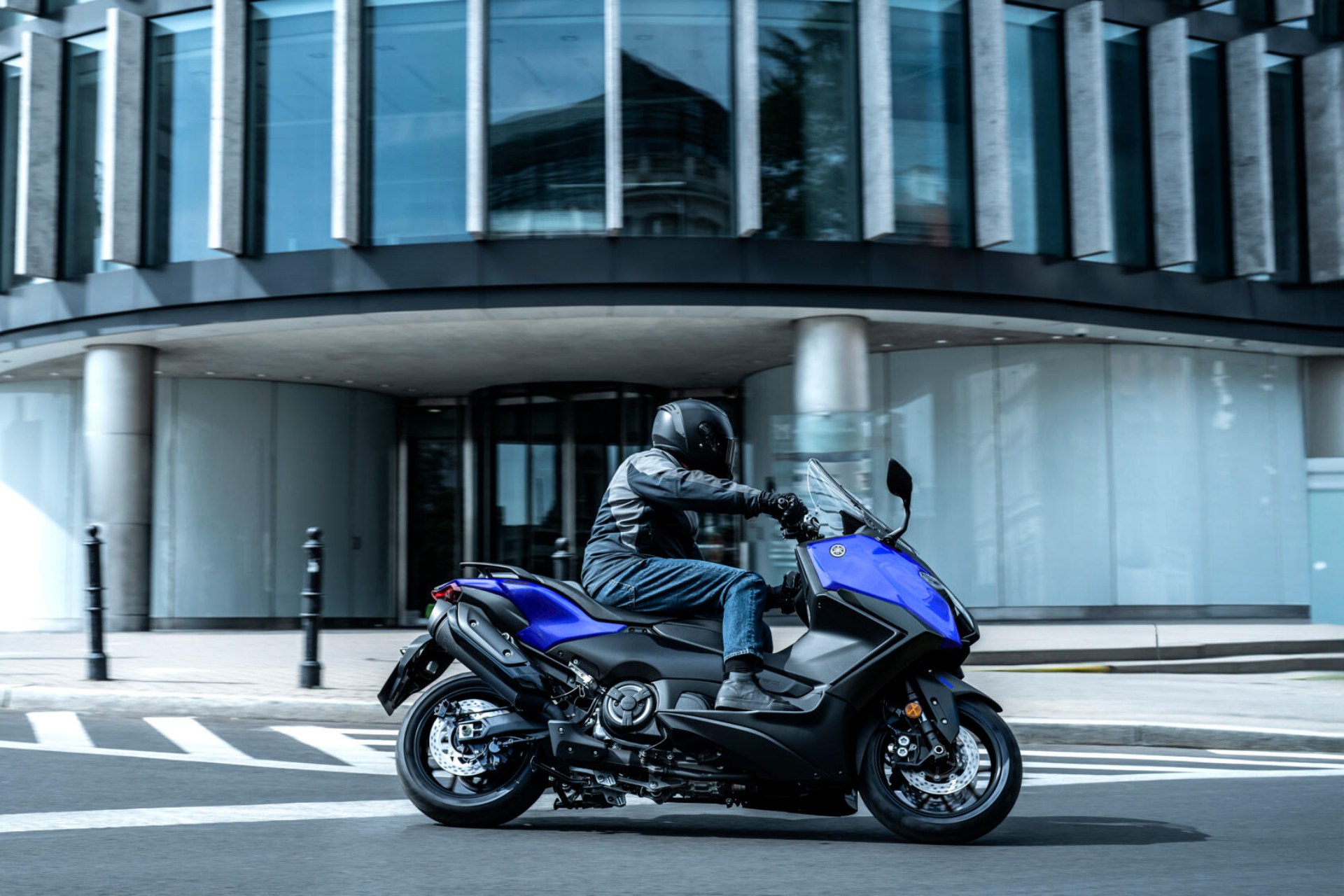
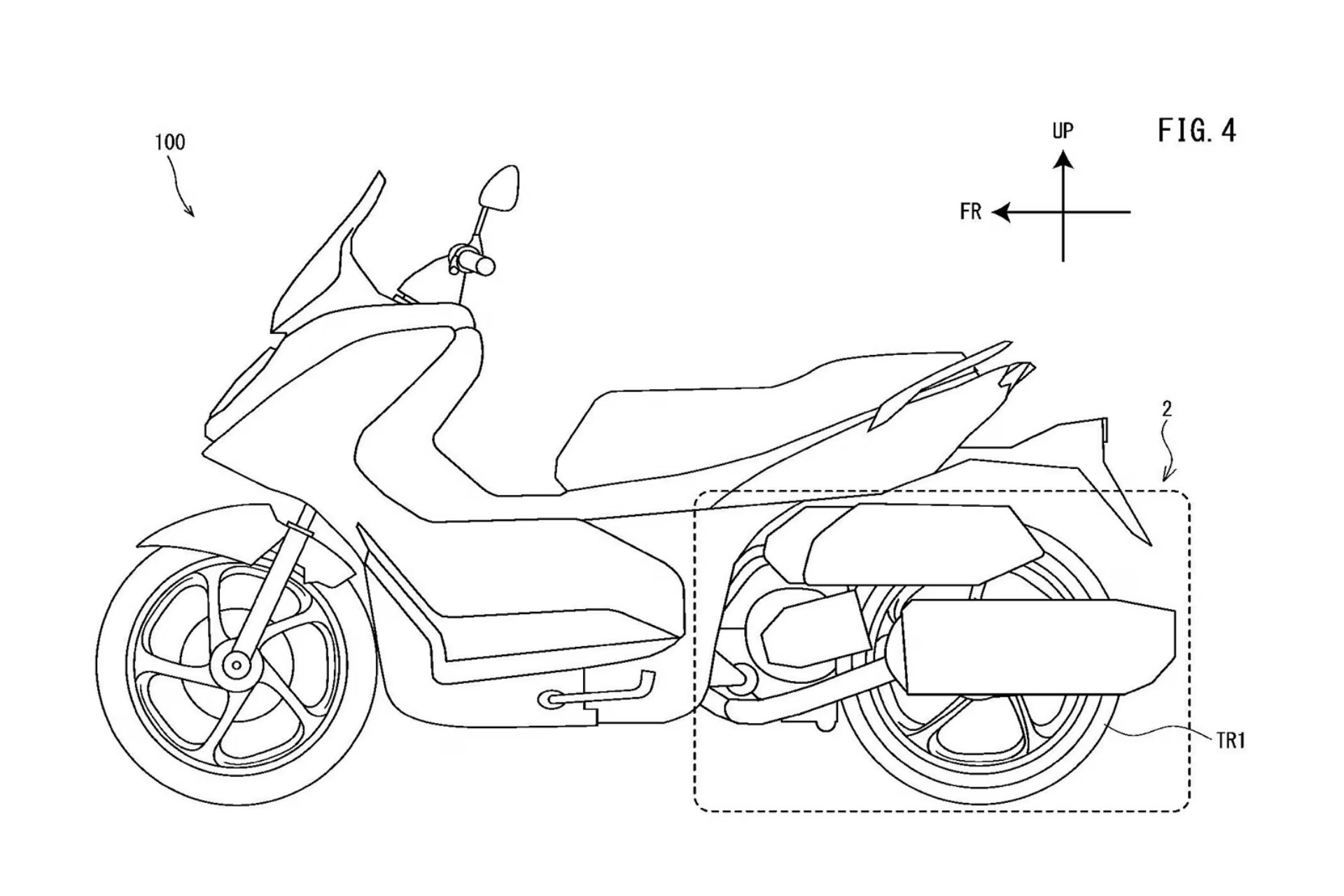
Revealed patent documents show that yamaha It is already working on integrating this technology into a completely conventional-looking scooter. The new images present us with a vehicle with a flat platform, wrap-around bodywork and a scheme very similar to what could be found in a future maxiscooter of the brand.
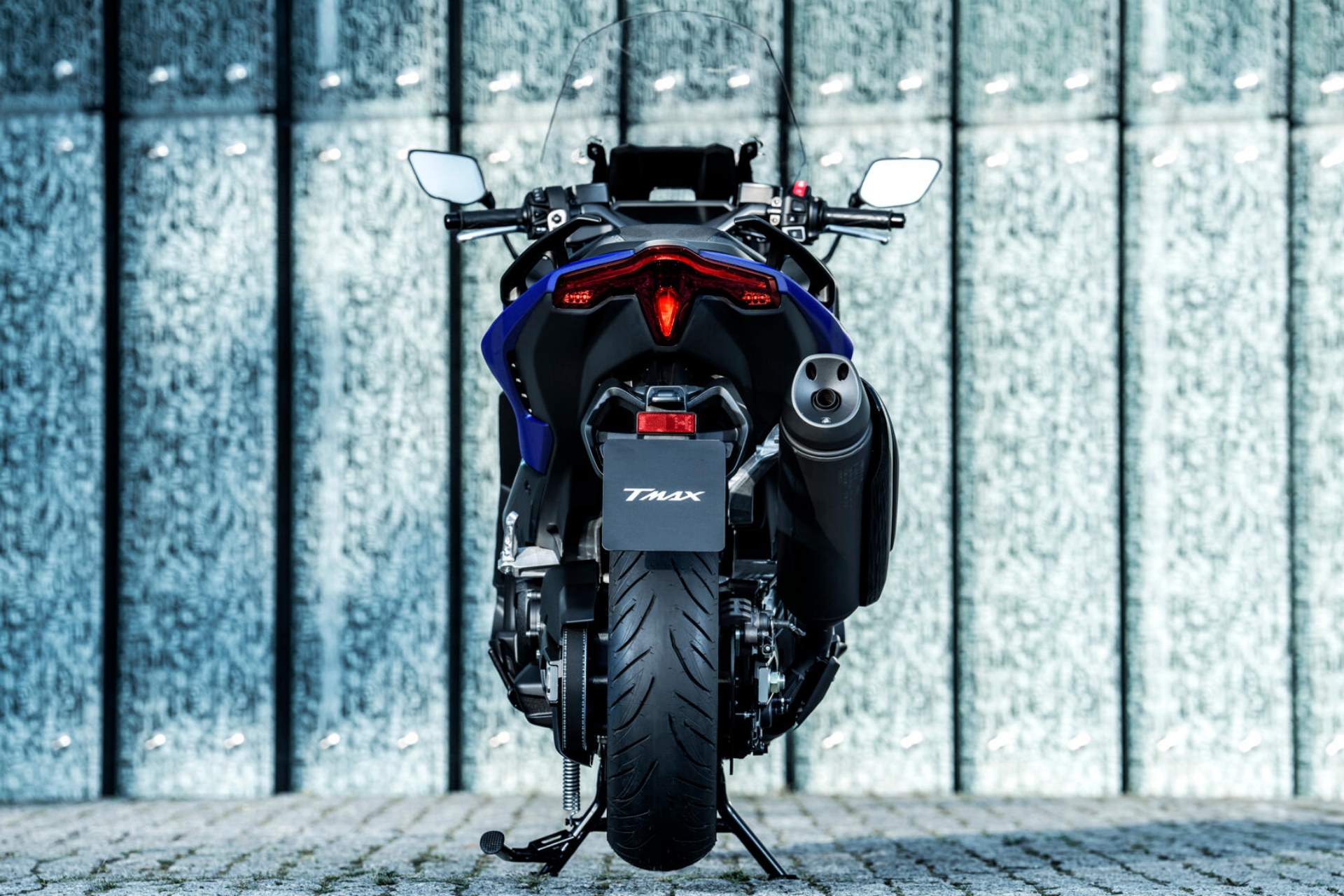
Although yamaha does not mention any specific model, it is inevitable to think about the TMAX as one of the main candidates to launch a technology of this type. It would not be strange if the flagship of the Japanese firm’s sports scooters served as a showcase for a system that would allow driving in fully electric mode in urban environments, maintaining high autonomy on the road and offering superior performance thanks to the simultaneous support of the electric motors.