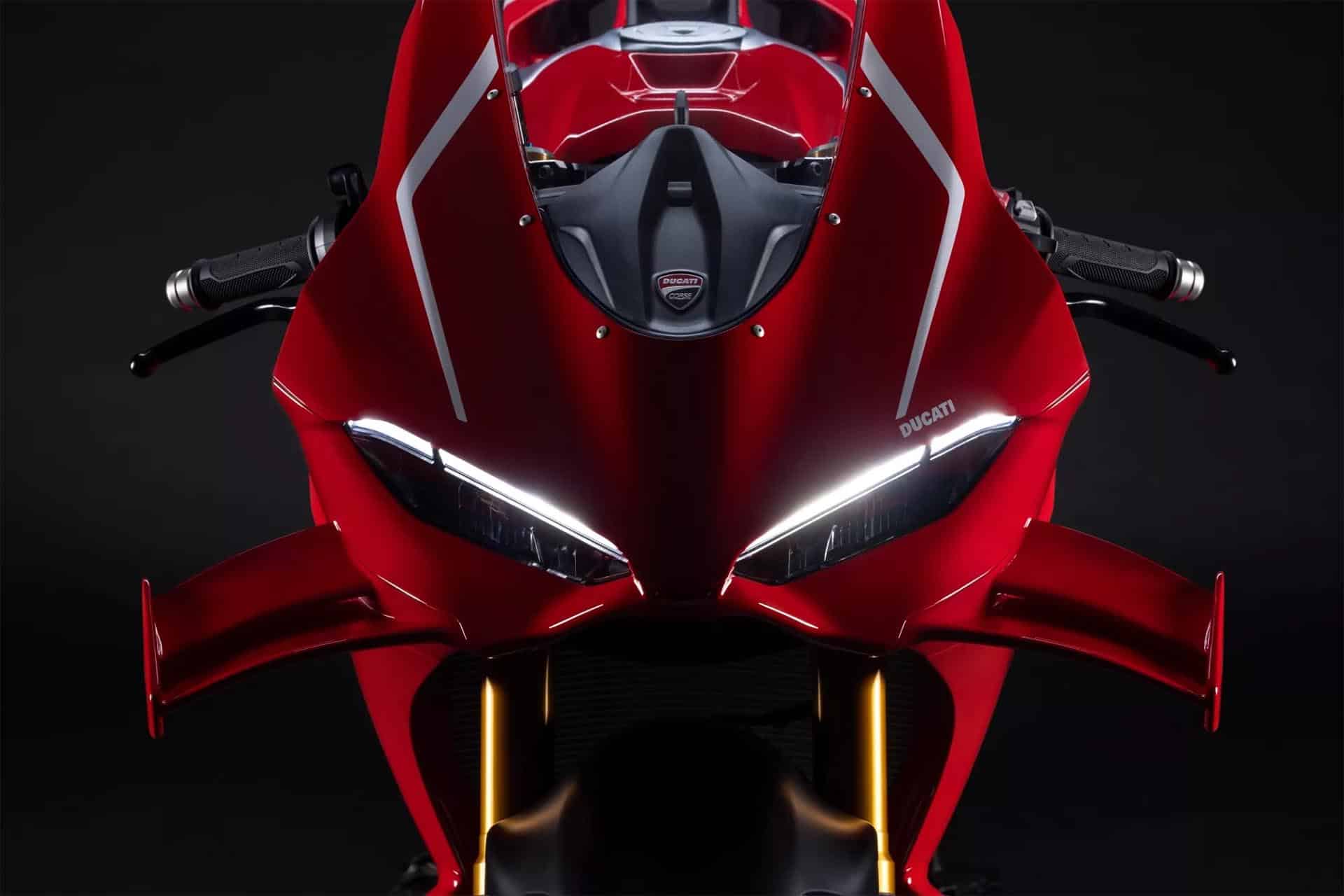
Historically, the Volkswagen Group has been one of the great giants of the global automotive industry. Over the decades it has been growing, initially as a brand and then as a business conglomerate, in which they have added brand after brand and all of them historic.
First there were Audi, Porsche, Seat, Skoda… and a while ago two of the jewels in the crown of Italy reached the vast German umbrella: Ducati and Lamborghini. Two legendary brands linked to Italian beauty as well as speed and exclusivity. But in a business group, above all, pragmatics must prevail, especially considering that numbers rule.

Therefore, in this difficult time that some of their brands are experiencing, they still have aces up their sleeve to provide liquidity to the entire group. But those aces up their sleeves are, precisely, two of their most emblematic brands. In this way, in addition to other measures, one of the possibilities that exist, as revealed by the Financial Times and Milano Finanza, is that Ducati and Lamborghini could be valued as possible sales.
The Ducati paradox: being successful is what can make it leave the group
In theory and following this information, beyond a strong restructuring of the entire business group that could lead to the closure of four plants and 100,000 layoffs, sales of strategic assets are valued. Not only to survive but so that the business group can adapt to the mobility of the future. In fact, one of Volkswagen’s brands, Everllence, specialized in naval and industrial engines, has already been 51% sold with an estimated income of about 7.4 billion euros.
But this sale does not solve the entire crisis or the expenses. That is why there are assets as important and valuable as Ducati and Lamborghini that, hypothetically speaking, could be for sale. Focusing on Ducati, which by the way is celebrating its centenary, the Italian motorcycle manufacturer is solvent enough to be attractive to new investors, although there are no details on whether if the time comes the disengagement would be complete or only in part.
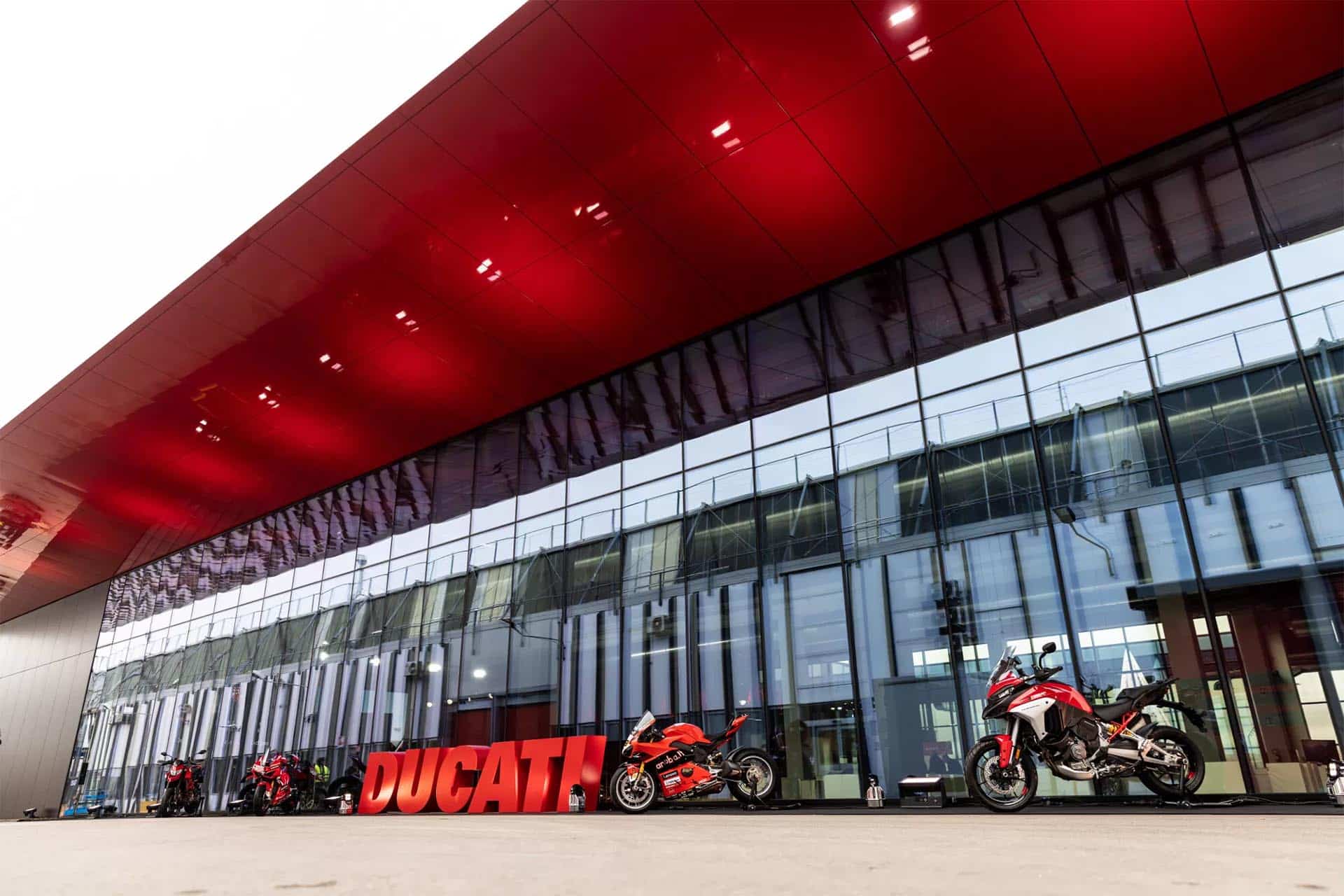
It is not the first time that Ducati has changed hands. In fact, you only have to go back to 2012 when it passed from the hands of Investindustrial, the fund that controlled it at that time, to the group through Lamborghini, which at that time was already a subsidiary of Audi.
In any case, what is certain is that beyond the business tangle, Ducati will continue to be a reference for two wheels.