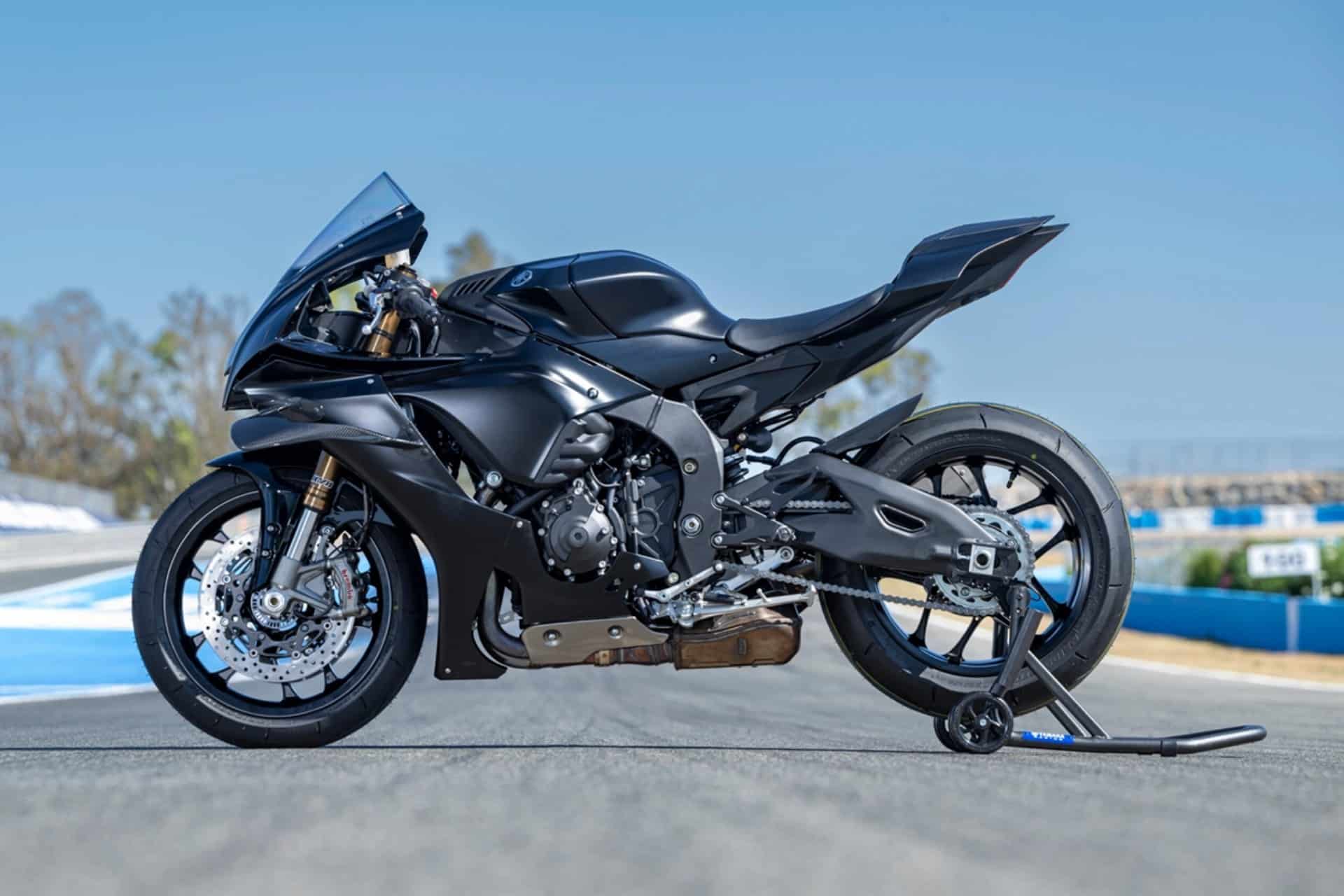
Yamaha Keep working in the R1. Now, new information about a patent registered by the brand, for the R1reveals that Japanese brand engineers are working on a solution as ingenious and ambitious.
It is an active body system with mobile blinds that would improve performance, optimize cooling and, at the same time, facilitate compliance with restrictive environmental regulations. In other words, the legendary R1 He is not dead, and could come back stronger than ever.
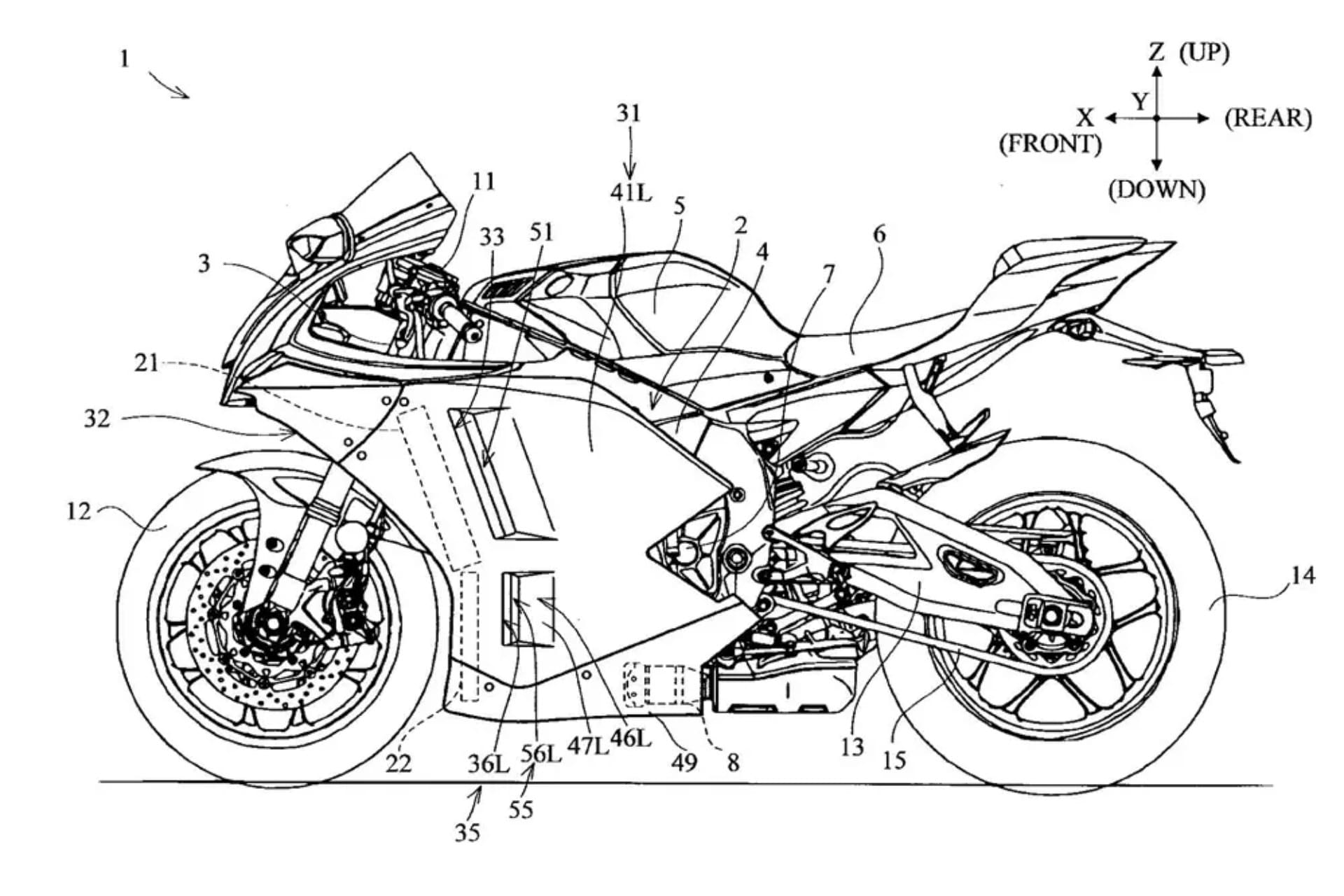
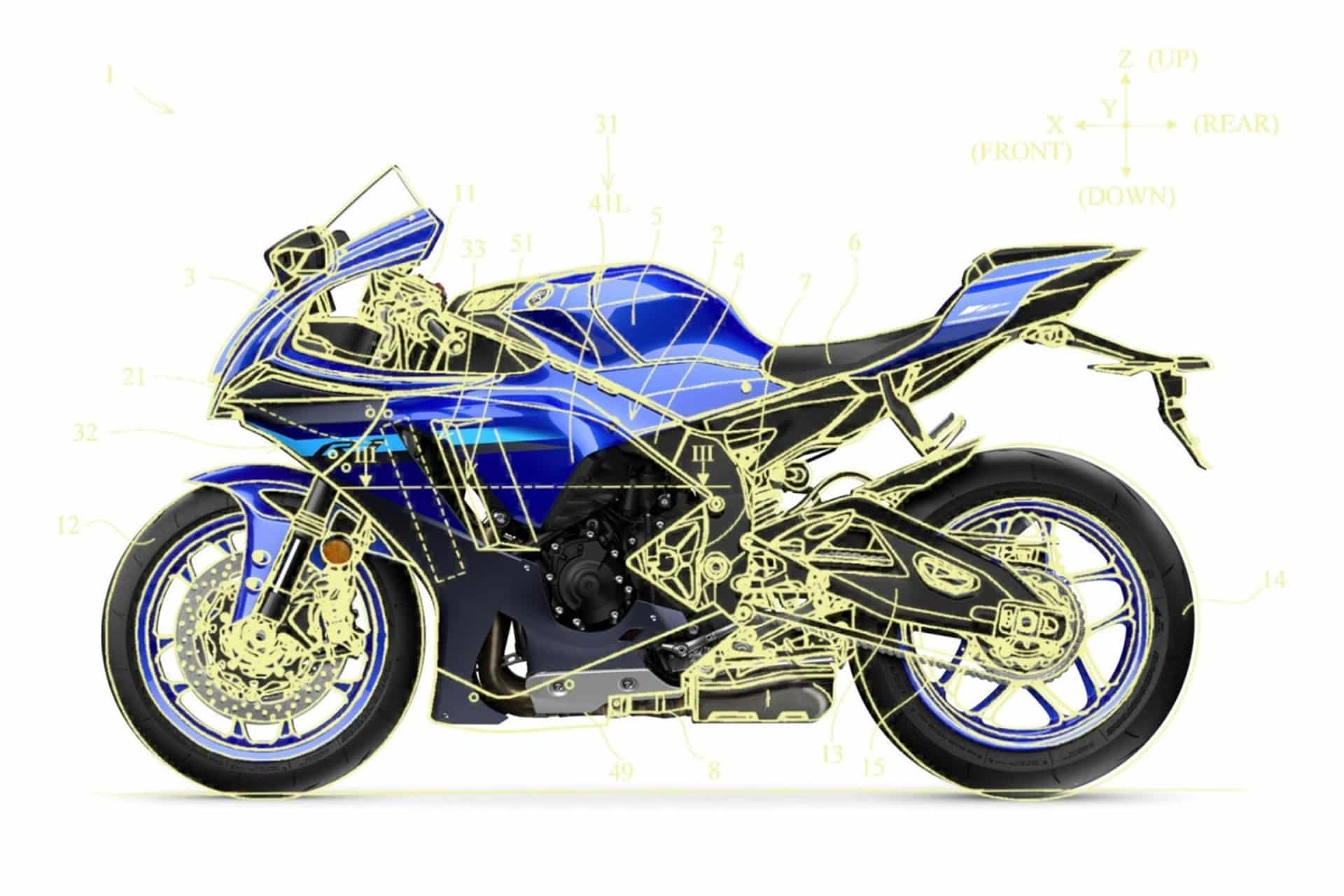
The approach of Yamaha It is clear: to take advantage of aerodynamics not only to gain speed in line, but also as a tool to control the temperature of the motor and the exhaust system. The idea is to place mobile gates on the side exits of the fairing, instead of doing so at the front entrance of the radiator, as had been seen in some cars and motorcycle prototypes.
These blinds, operated by small engines and a belt system, would open or close according to different parameters. Such as the temperature of the coolant, that of the catalyst, the speed, the accelerator angle or even the external temperature. With all this, an electronic control unit would decide in real time the most appropriate position to balance refrigeration, emissions and aerodynamic efficiency.
This is how the patent for the R1 works
The principle is simple but effective. When the grilles remain closed, the air that would normally come out turbulently channeled, reducing resistance and improving aerodynamic penetration. At the same time, a high pressure air bubble is created in front of the radiator, which forces the flow to move to the sides of the fairing in a more controlled way. This, in practical terms, means less resistance, more speed and energy consumption more content.
Although it may sound futuristic, the idea of regulating air flow depending on temperature is not new. In fact, already in the first half of the twentieth century many cars mounted radiators with manual or automatic blinds that helped keep the engine temperature stable. With the popularization of thermostats, this system fell into disuse, but in recent decades modern cars have recovered it in the form of active grills that open or close to improve aerodynamic efficiency and reduce emissions.
Yamaha It seems to want to transfer that logic to the world of superbikes, adapting it to the demands of a high revolution engine such as the R1 and, above all, to the need to comply with the hard European approval standards.
The patent details how this system could be decisive in different scenarios. In urban driving, for example, it would help the catalyst reach its operating temperature before, drastically reducing emissions in the first minutes of use, one of the most critical points in the Euro5+approval tests.
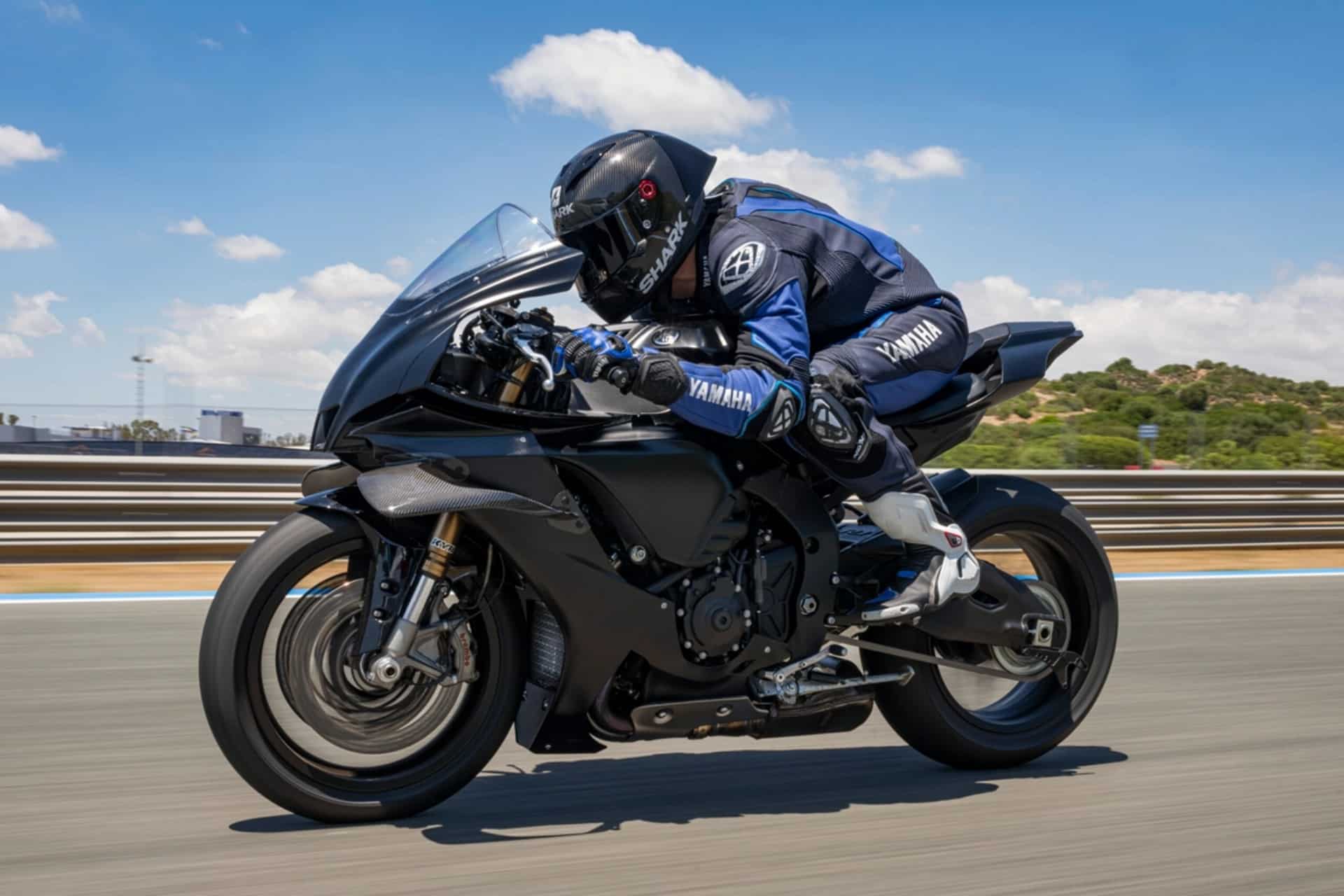
On open road, with low and high speeds and high speeds, the gates could remain closed most of the time, taking full advantage of aerodynamic improvement. And in circuit, the system could temporarily “sacrifice” refrigeration to maximize performance in full acceleration, keeping the outputs closed until the engine reached a critical temperature threshold.
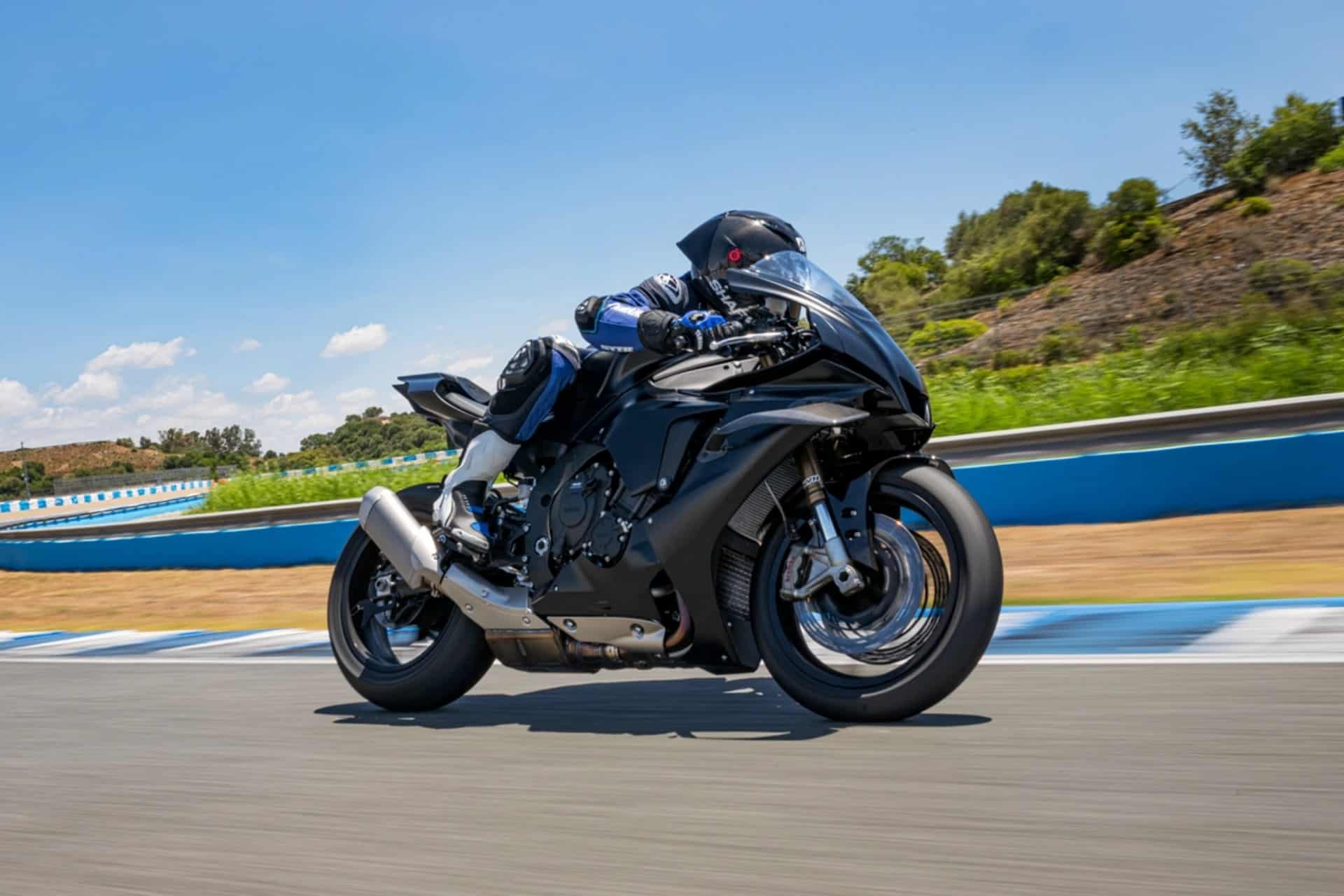
The latter also would have a direct impact on the Superbike World Cup (WSBK). The regulation allows the use of active aerodynamics as long as it is a serial element in the homologated street motorcycle. In other words, if Yamaha takes this system to the R1 Production, the official brand pilots could use it in the championship, with the competitive advantage that this entails.
The situation of the R1 Remember the recently lived by Suzuki with the GSX-R1000R. The model disappeared from the European catalog in 2022 by not complying with Euro5, but three years later it has returned adapted to Euro5+regulations. That movement has shown that a manufacturer can temporarily remove a model and return it to the market later with the right technology.
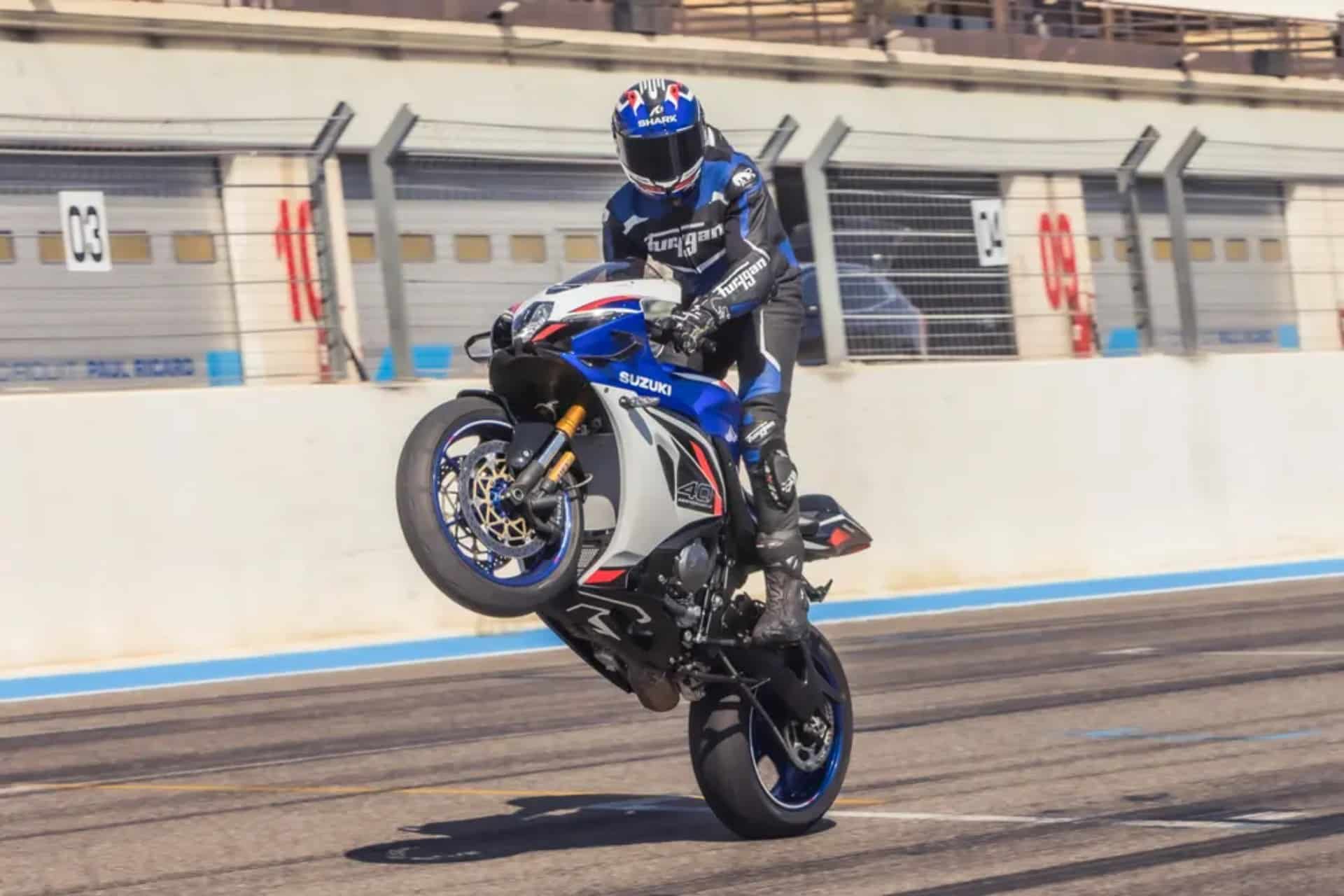
The appearance of these patents suggests that Yamaha I could follow a similar path. It is not simple technical drawings. In fact, behind them there is a clear strategy to extend the life of the R1maintain its relevance in competition and, incidentally, recover presence in the concessionaires of the old continent.
At the moment, the brand has not officially confirmed the return of the R1 Euro5+, but the mere existence of this patent makes it clear that the project is alive. If the strategy is concretized, we could be facing a new generation of superbikes where the battle will not only be fought in gross power, but in how technology manages the air that surrounds the engine.