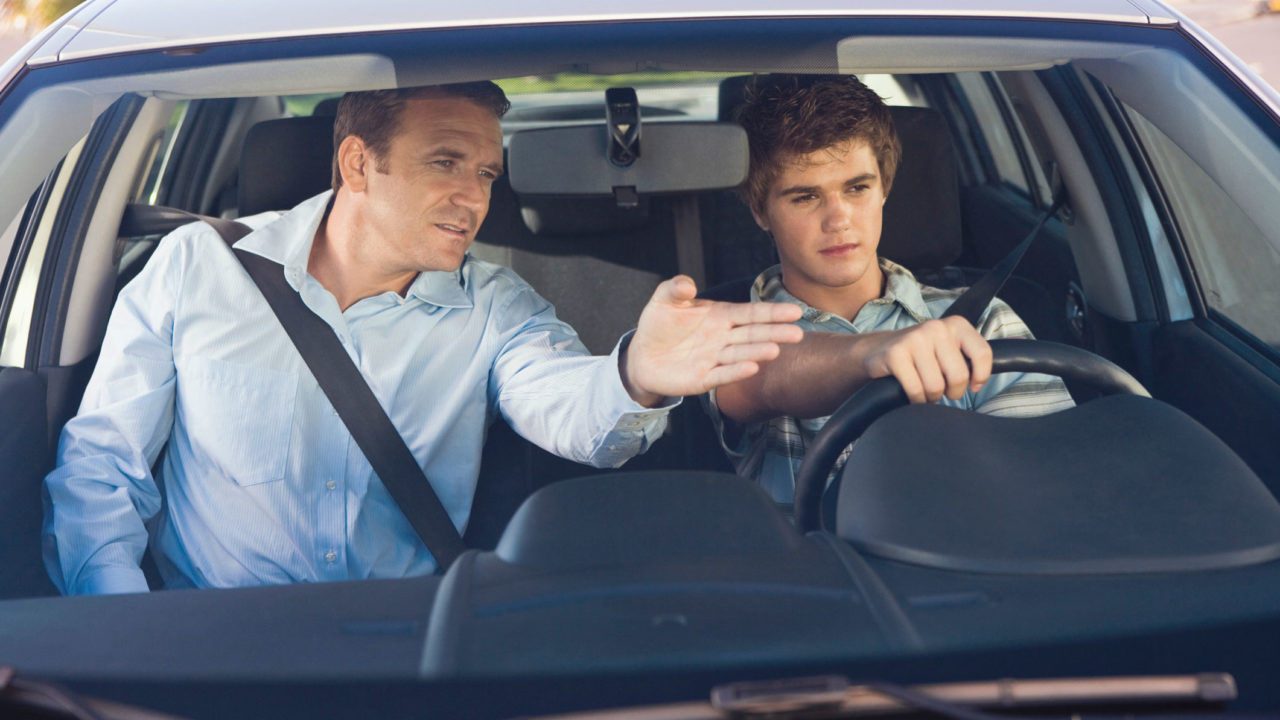
A debate was recently opened that could change the way we learn to drive. Everyone knows that to get a driving license you need to pass a theoretical test and a practical test. In practice, the necessary skills behind the wheel are acquired, always being accompanied by a professional. However, now he talks about whether it would be feasible to learn to drive with parents and not with a driving school teacher. It is a measure that is present in other countries and that could be interesting.
At least, This is what the CNMC believes (National Markets and Competition Commission), which has examined the sector and drawn some conclusions. They have seen that the barriers to competition are high, since in Spain only authorized driving schools can teach driving. It makes sense due to the fact of preserving road safety, but they also have the disadvantages lack of transparency and access to information. The students do not know data such as the center’s pass rate nor can they carry out negotiations with the DGT.
Not to mention that there is more demand than capacity to take driving tests and the system is not always fair. For this reason, the CNMC proposes make driving learning more flexible with that controversial measure of introducing accompanied driving with non-professional tutors. There is talk of other measures such as reduce barriers to activity of driving schools, facilitate access to the profession or improve the management of exams. Not to mention the issue we mentioned earlier of promoting transparency and competitive balance.
Logically, these proposals have had their impact and the CNAE (National Confederation of Driving Schools) has made its point of view clear on the matter. According to them, some measures would seriously compromise road safety and the quality of driver training. Driving accompanied by non-professional guardians such as parents increases the risk of having accidents. Not due to lack of experience, that too, but due to the fact of not having dual-control vehicles with which to act in time.
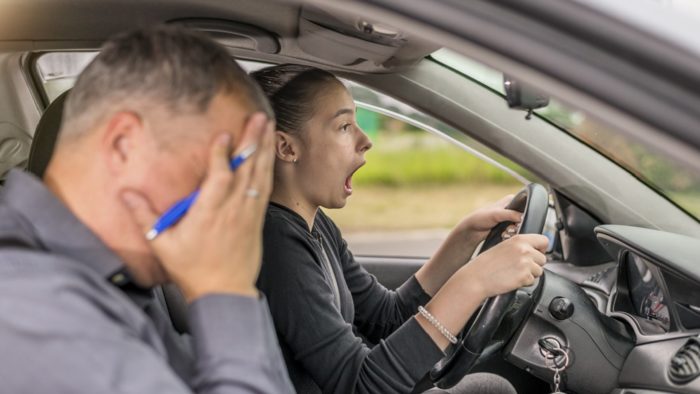
These types of cars in which you can control the pedals also from the co-driver’s seat They are key to intervene immediately in any dangerous situation. This situation could also worsen the passing rate, since these tutors would not be specialists in driving education like driving school teachers. Regarding the current failure rate, they claim that it is a structural problem and not training. They point directly to the Traffic Headquarters as responsible and their lack of examiners, although there are more.
They affirm that driving schools are “comprehensive road safety training institutions” and that their task is vital in driver development. Without this figure, the professionalism of the sector could be seriously weakened and the quality of road training could be compromised. Lowering the barriers could lead to a deregulated and fragmented market in which I would prioritize economic benefit about the quality of service. With this confrontation, a melon is opened that may leave us changes in the coming years.