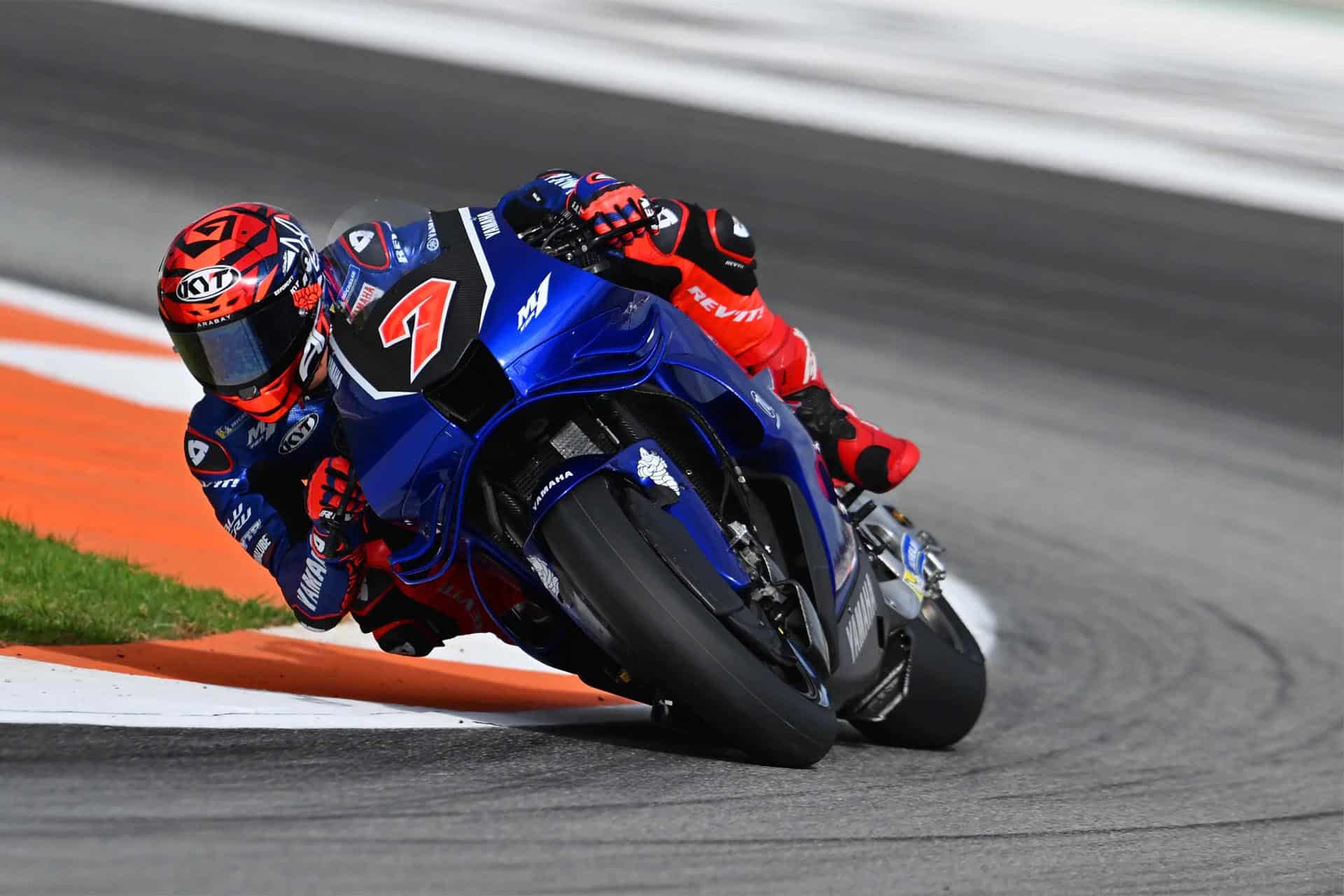
Since MotoGP and four-stroke engines began in 2002, there have always been inline-4 engines in the category. At the time, Yamaha and Suzuki were the great exponents of this concept, which was defended only by Yamaha while everyone opted for the V configuration.
In fact, Yamaha opted for that inline four-cylinder configuration, while Honda, for example, launched the legendary V5 at the beginning. In theory, the V engine configuration could have advantages, but so did the inline 4, even though it made the bike structurally wider.
But the time came for maximum aerodynamics and geometry modification devices, which meant that Yamaha and its riders could not take advantage of the virtues but could continue to suffer the negative points.
So for some time Yamaha has been developing a completely new motorcycle, with a V4 engine inside, with the intention of replacing the inline 4 that has brought so much success to the brand. And despite the fact that in recent seasons everything has been uphill for its drivers, with the 4 in a row they have competed in 429 Grand Prix, taking victory in 125, adding more than 350 podiums and achieving eight drivers’ titles, seven for teams and five for constructors.
After developing the V4, the inline 4 engine will no longer be used by Yamaha riders
Now the change to the V4, which Augusto Fernández has tested in different Grand Prix this season, reaches the official drivers. In this way, Quartararo, Rins, Miller and Razgatlioglu will have the new bike from the pre-season tests in Valencia, leaving behind the four in a row which they will not put on the track again.
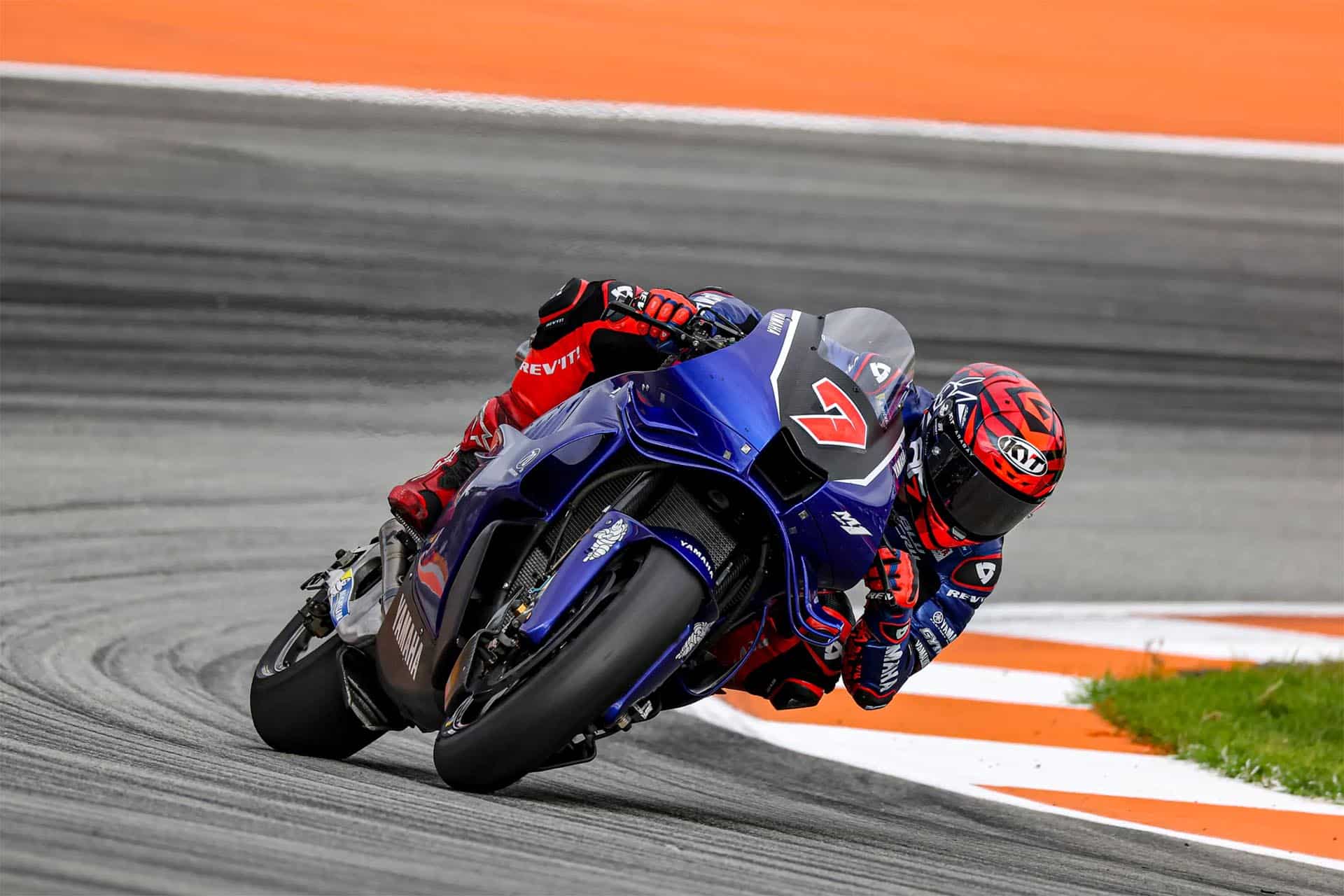
Logically, the V4 is in a process of evolution along with the motorcycle, so an exponential leap is not expected but rather a progression that will arrive as the months go by. The surprising thing in this case is that Yamaha has made the decision to change the structure of the engine and the entire motorcycle for the last year of the current regulations, although according to Yamaha, making this change now allows them to advance the pace to 2027, when the V engine is expected to have a greater advantage over the inline 4.