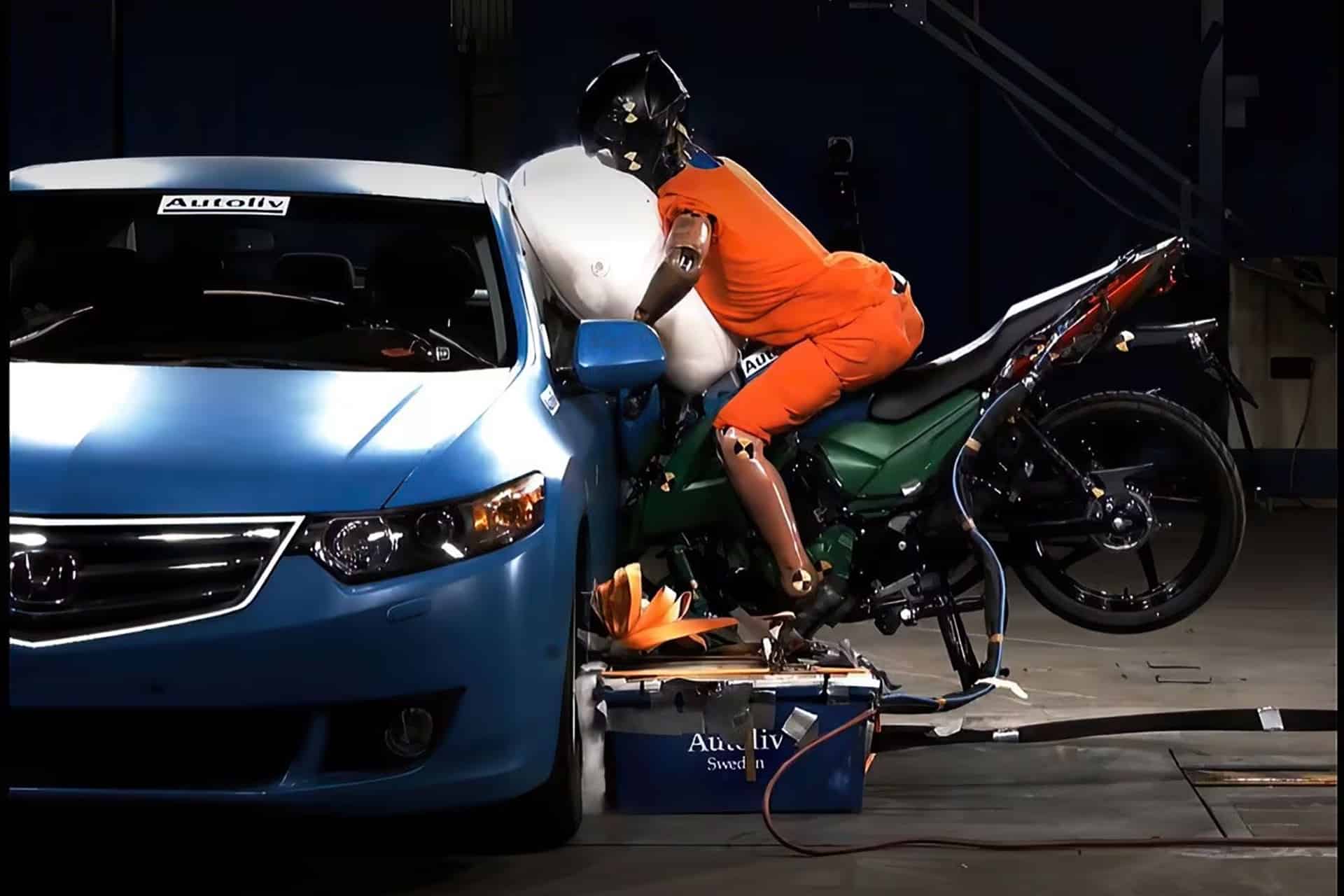
Autoliv, the Swedish brand specialized in safety systems, has been working for several years on the development of a new airbag system for motorcycles. In fact, in 2021 it announced its collaboration agreement with Piaggio with the aim of designing an airbag for two-wheeled vehicles that would initially be installed in the chassis and would have the capacity to deploy in milliseconds in the event of an accident.
For 2023, it was the Swedish company itself that marked the year 2025 as a key moment to officially present the first universal motorcycle airbag. Then they told us the results of their studies regarding a bag-on-bike system installed on the motorcycle itself. The primary idea was to be able to avoid, above all, the different injuries that are usually quite serious as a result of frontal impacts.

Autoliv airbag system remains in development phase
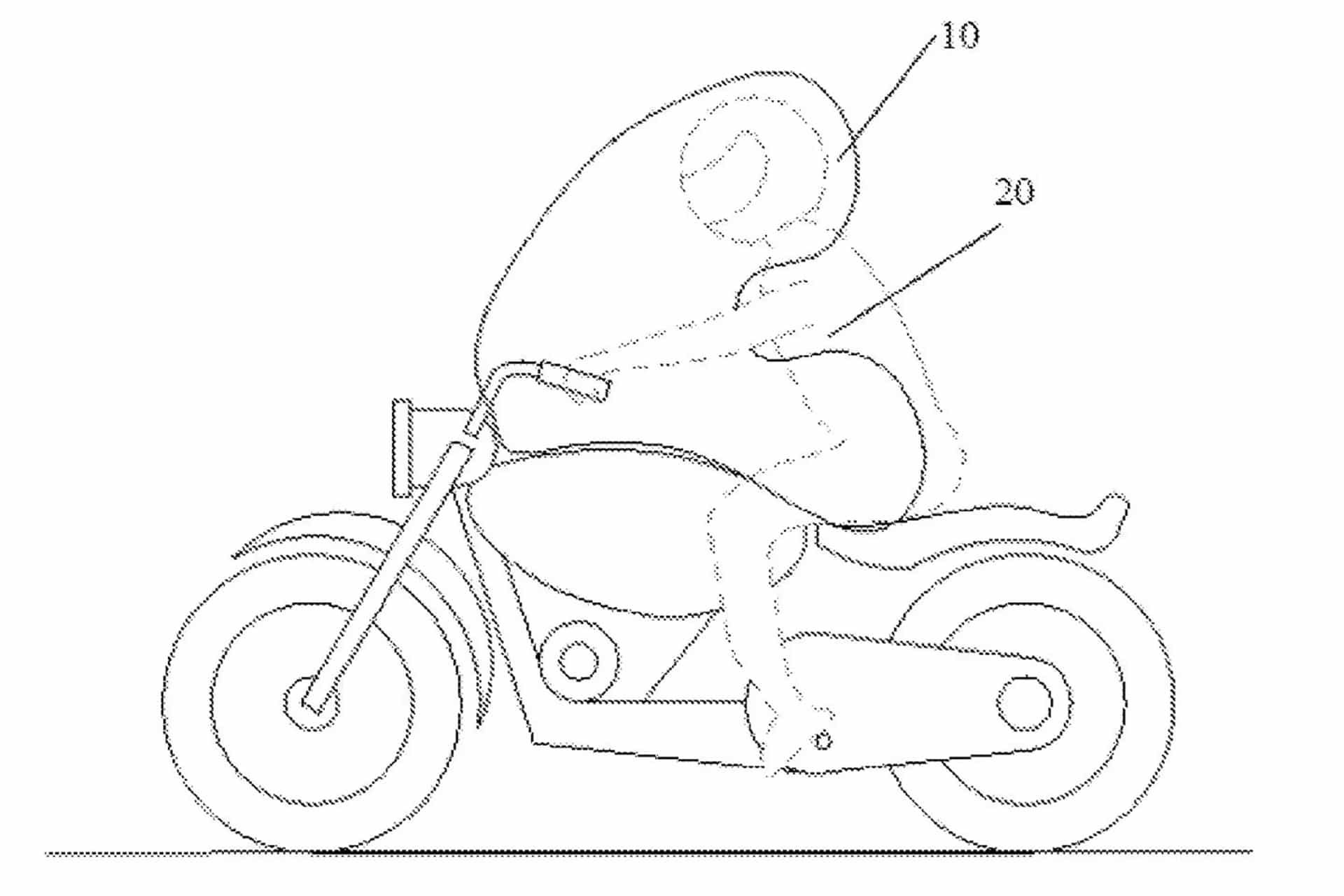
In recent days, images of the registration of new patents related to the airbag system on which the Swedish brand seems to continue working have been leaked. Everything indicates that Autoliv has set out to further perfect its innovative device, basically providing it with an even larger protective surface than seen until now. Cycle World details the main aspects exposed in the designs presented:
“The new version, shown in the patent application, is made up of upper and lower air chambers within a single outer shell made of several pieces of molded fabric. Straps (represented by dotted lines in the patent drawings) hold it in place and maintain its structure. Its shape wraps around the rider’s torso and head, and cutouts around the arms prevent the airbag from interfering with control of the motorcycle.”
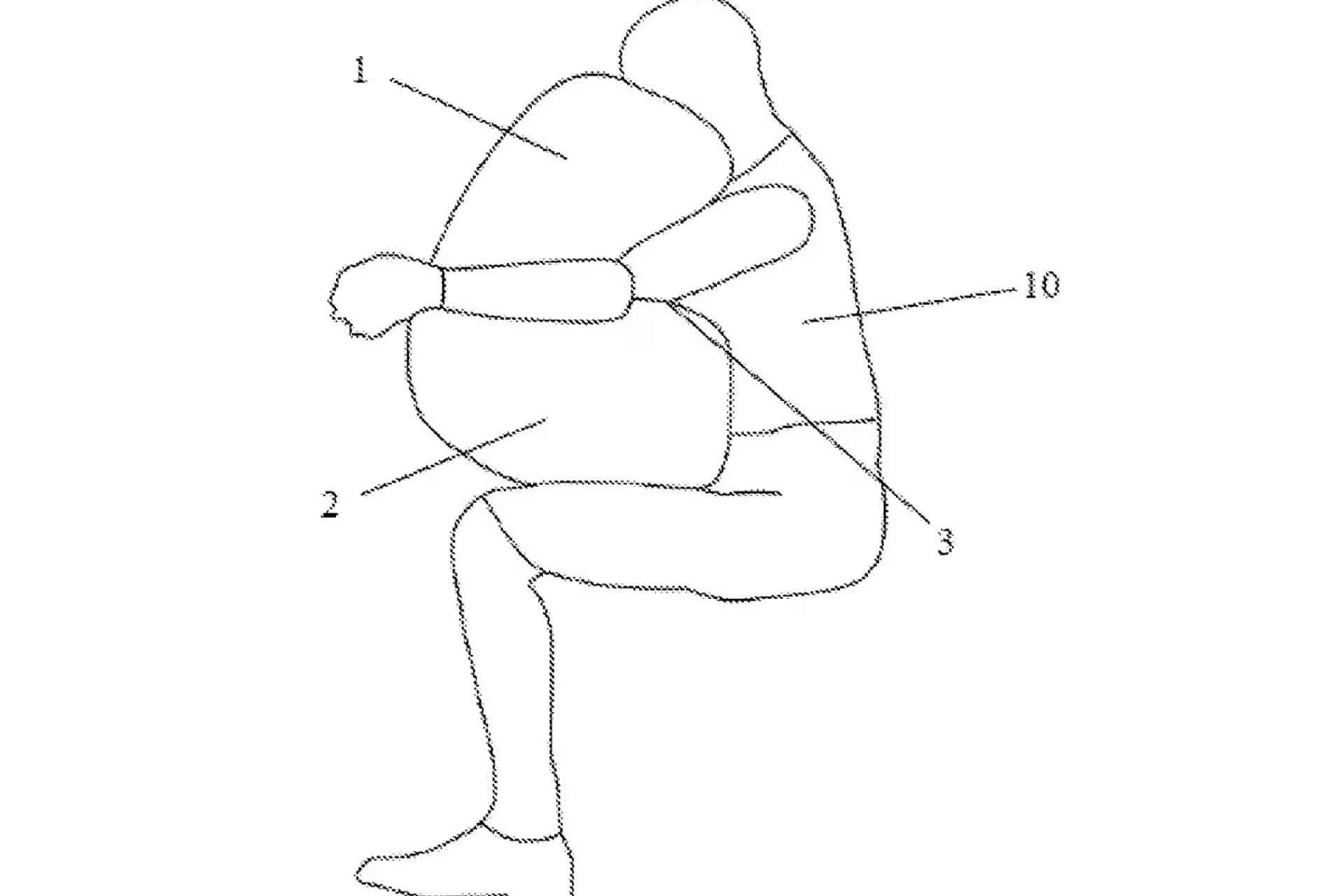
This confirms how the Autoliv R&D team has evolved the initial design where we found an oversized airbag responsible for mainly protecting the head, neck and torso. Likewise, as was the case in the past, the airbag system patented by the Swedish brand is initially aimed at scooter, custom and GT motorcycle models. It’s worth thinking about how it would work if implemented on a sport or ADV style mount.
This occurs mainly due to the position of the handlebars of the models mentioned above and therefore the final position in which the rider remains on the motorcycle. A key aspect when measuring the efficiency of an airbag system of this type. That is why Autoliv continues to look for new formulas with which to expand the range of action of its design.
Previously, we have learned about other ideas related to this topic in which brands like Yamaha also opt for this protection technology in motorcycles included in other segments. A good example of this is the patents registered on an airbag system designed to be installed in a Yamaha R1.
Finally, if we stick to an airbag that can cover most of the rider’s body, Honda also has a patented “W”-shaped system, to be able to hug the rider above and below the arms, protecting both the cervical and rib areas. For its part, the front area of the airbag itself would act in a similar way to the designs we already know.