
Just one day after learning about the new recommendations of the UN To reduce the accident rate among bikers, and which we talked about at length, a British study once again focuses on one of the most dangerous scenarios for those who travel on 2 wheels: secondary roads during the summer months, especially the month we have just started.

As we are telling you, the analysis prepared by the insurer Ageas for 25 years and with official data from the British Department of Transport, concludes that August concentrates the highest number of accidents recorded on secondary roads. According to the study, the 38.1% of all reported accidents occur precisely on this type of road, a trend that has progressively increased since the beginning of summer.

A risk that also worries outside the United Kingdom
Although the figures correspond to the United Kingdom, the situation can be easily extrapolated to other European countries, including Spain. August coincides with the highest volume of holiday trips of the year, when thousands of motorcyclists take advantage of the good weather to travel through mountain passes, country roads and panoramic routes. Precisely this increase in traffic, together with the presence of drivers less familiar with the route, increases the risk of unexpected maneuvers, braking or invasions of the opposite lane.

It is no coincidence that one’s own UNas we told you yesterday, has recently placed motorcyclists among the priorities of its new global road safety strategy for the period 2026-2030. The agency considers it essential to improve both infrastructure and training and prevention technologies to reduce the high number of victims among the most vulnerable users.
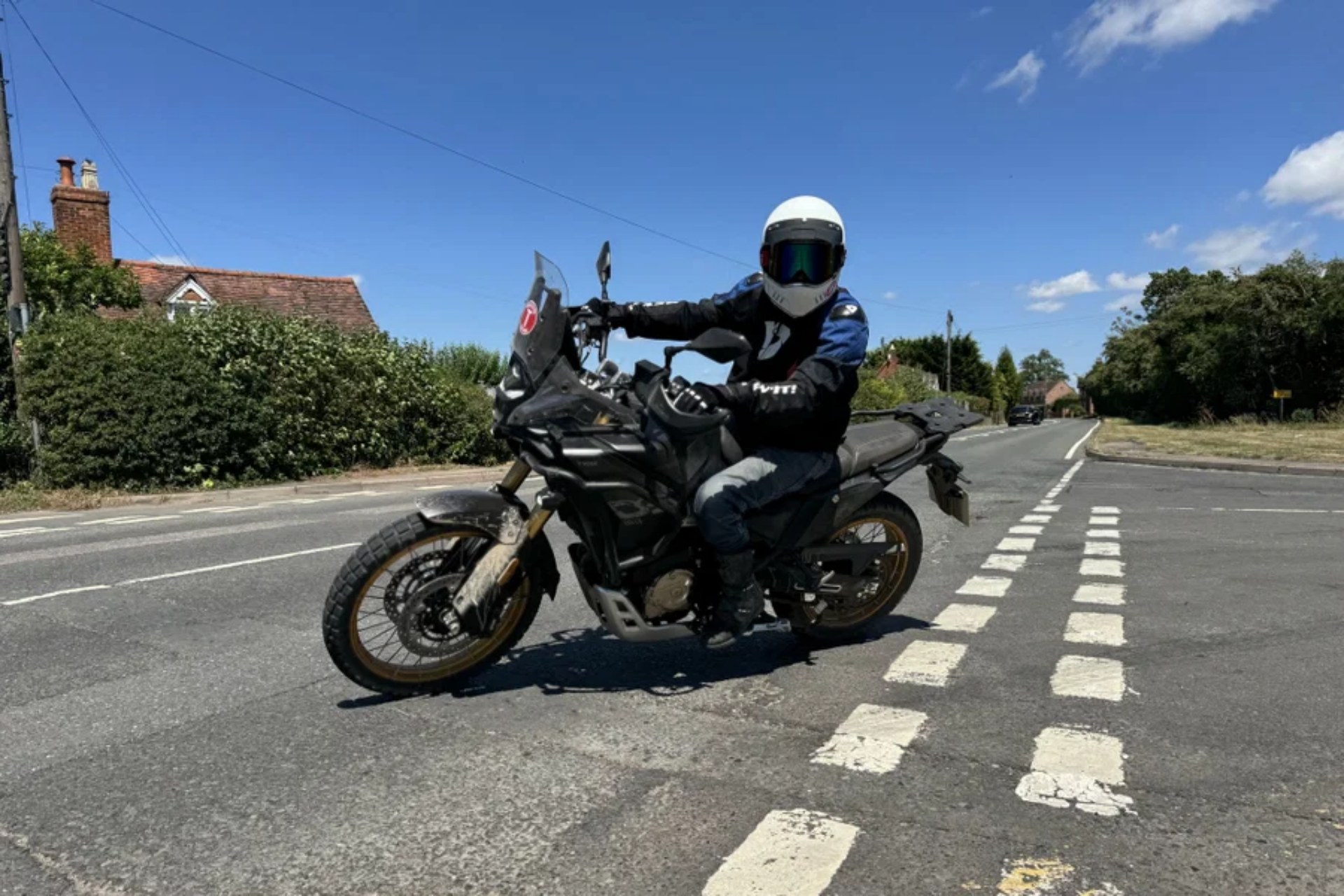
More attractive roads… but also more dangerous
One of the most striking data of the study is that accidents that occur on secondary roads have a probability of being almost fatal. 10 times higher to that of those registered in urban environments. In addition, serious injuries are also much more common. The explanation lies in several factors that usually coincide in this type of roads:
- Higher average speeds.
- Blind curves and grade changes.
- Crossings with poor visibility.
- Reduced margins to avoid an obstacle.
- Greater presence of gravel, mud, branches or deteriorated pavement.
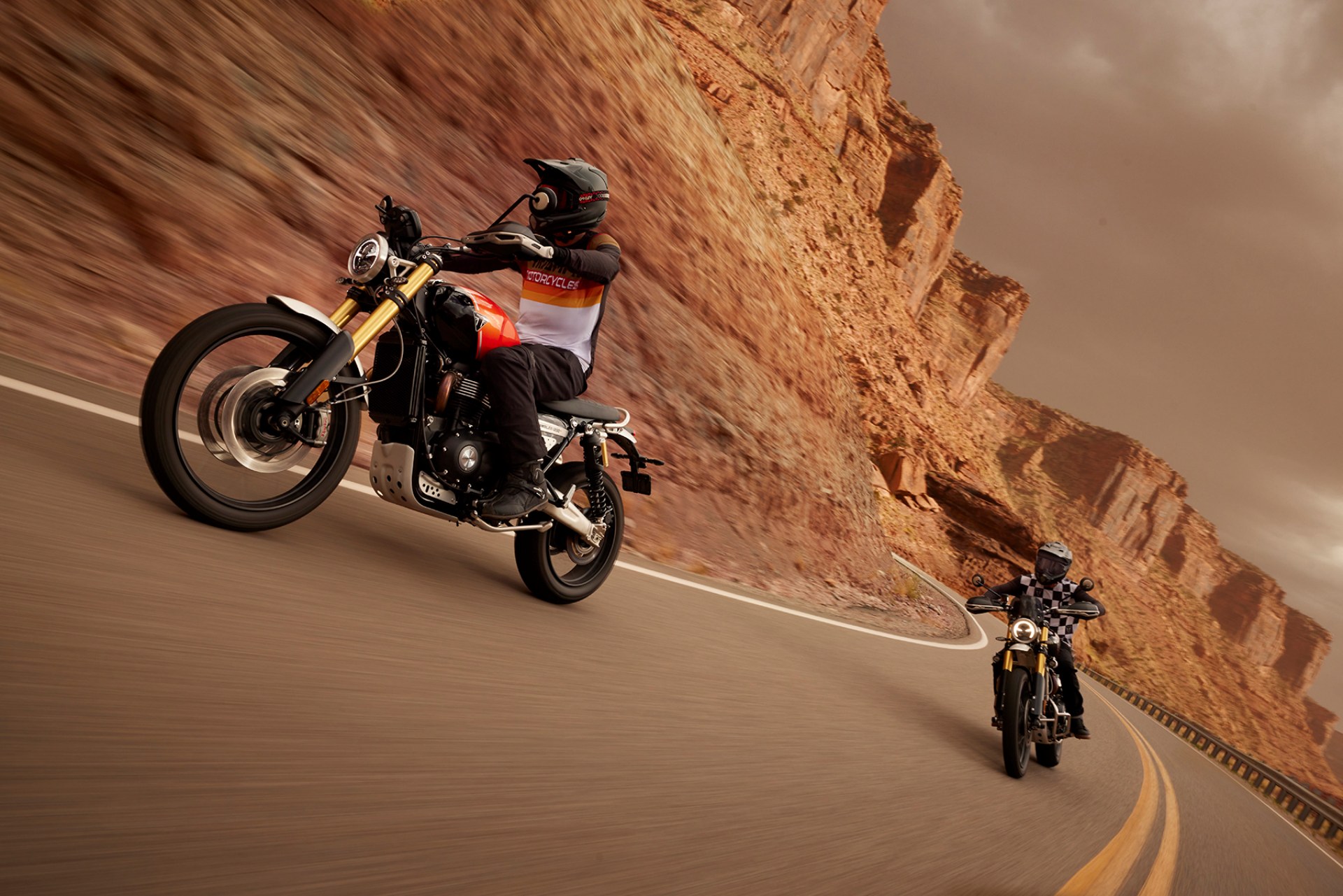
Summer adds new dangers
As we are telling you, Ageas It also points out that during the summer months the number of drivers who leave large cities to go to beaches, natural parks or tourist destinations increases. This creates a particularly delicate combination: «vehicles that slow down unexpectedly to look for an address, drivers who do not know the route, caravans, cyclists, pedestrians, agricultural machinery or even animals crossing the road«.

Added to this is an increasingly common phenomenon: GPS navigators They divert some traffic from congested main roads to narrow secondary roads that are not always prepared to support that volume of traffic.
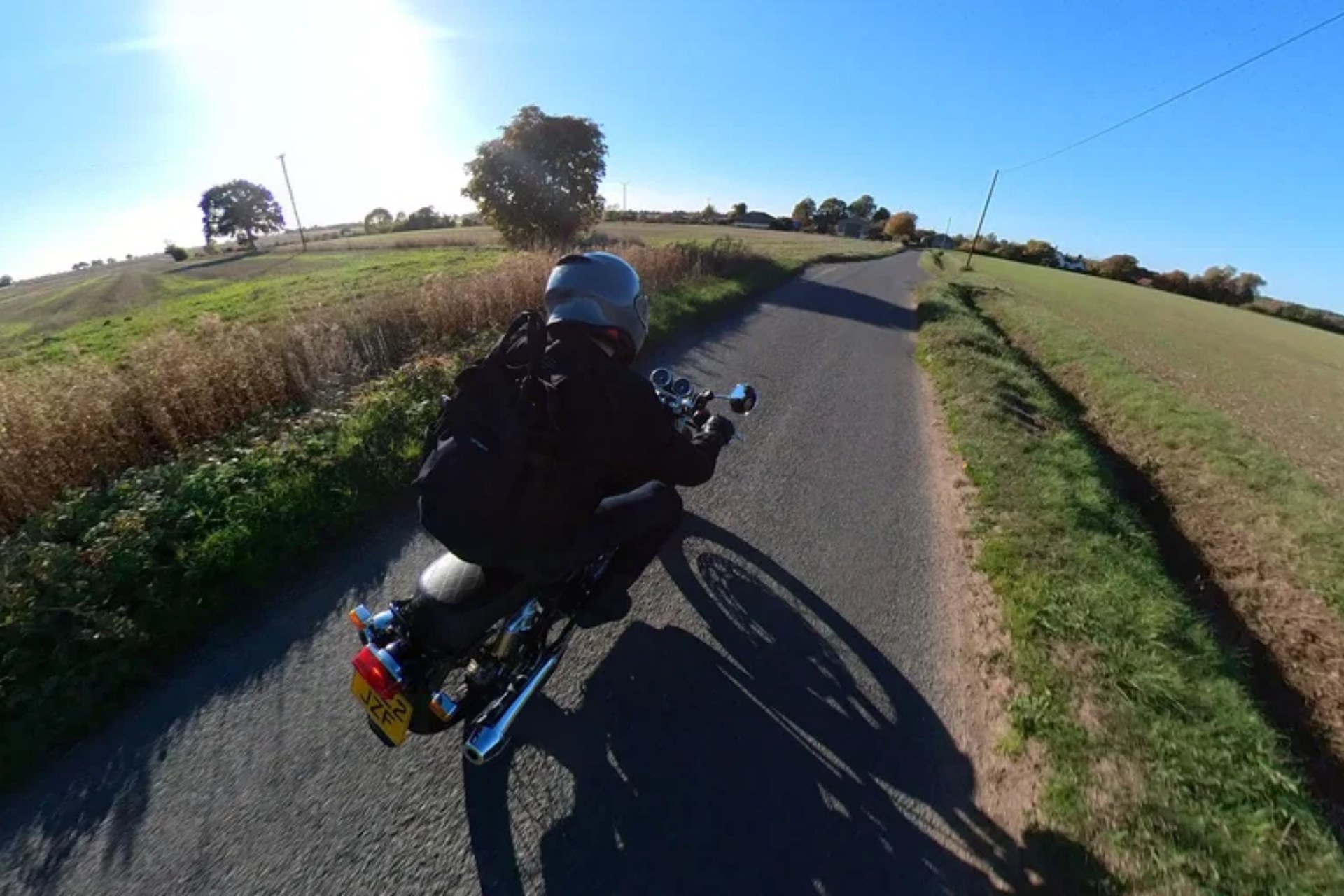
Speed is not always the right limit
Experts remind that respecting the legal limit does not guarantee ride safely. On many secondary roads the appropriate speed depends on the available visibility, the condition of the road surface and the possibility of encountering an obstacle after the next bend. For this reason, the insurer recommends adapting the driving pace to the real conditions of the road, anticipating the possible presence of vulnerable users and avoiding any excess of confidence, especially when driving on unknown roads.
In essence, the message fully coincides with the one conveyed by the UN in its recent road map on road safety: «Reducing motorcyclist accidents does not depend solely on safer motorcycles or new technologies«. Also requires better designed infrastructure and driving capable of anticipating the risks that, especially in summer, hide many of the roads enjoyed by 2-wheel fans.