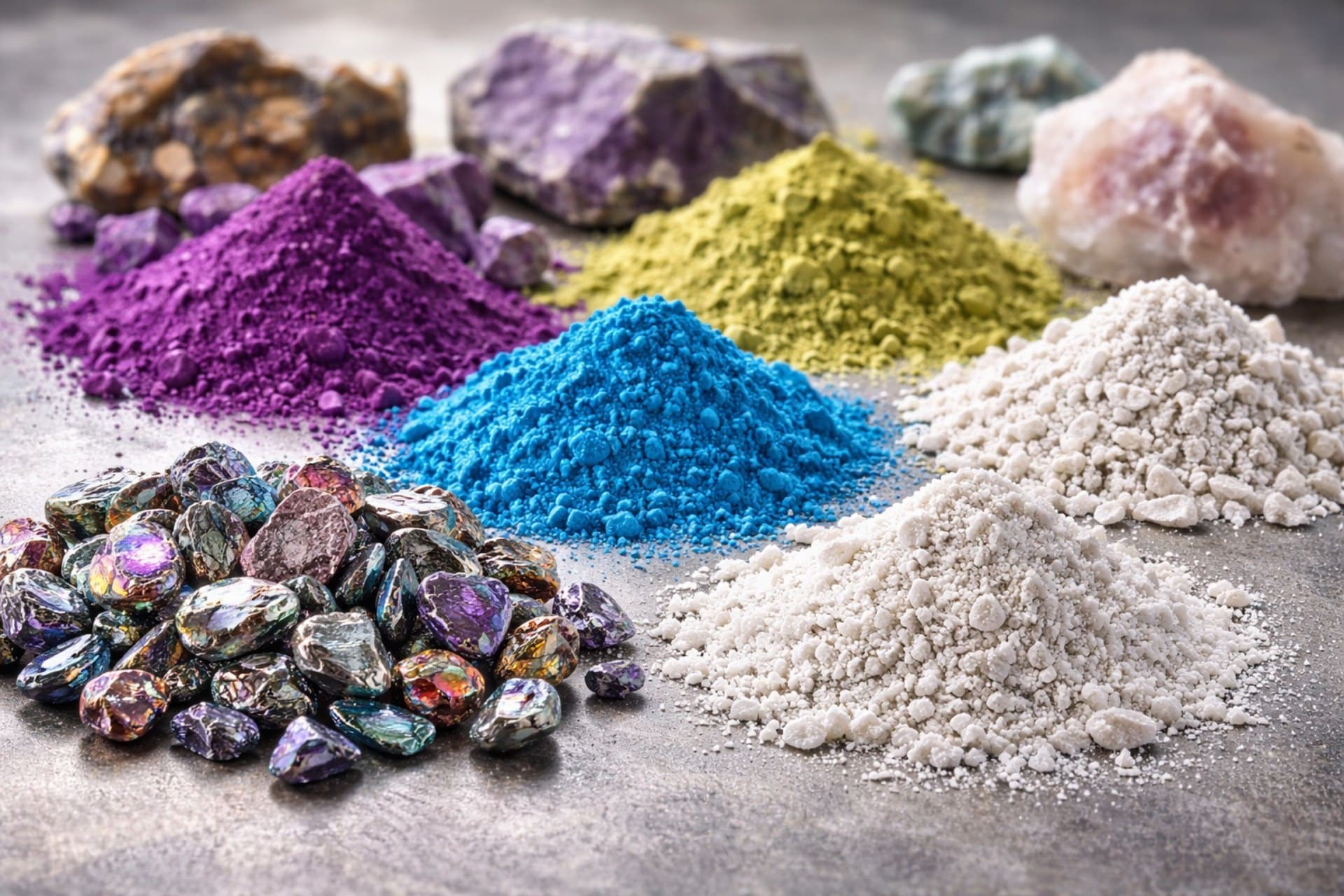
Europe has been looking for ways to reduce its enormous dependence on imports of “rare earths” for years. As we all know, a group of chemical elements essential to manufacture everything from electric motors to wind turbines, electronic devices or high-tech systems. Now, that goal of self-dependence is a little closer thanks to the approval received by the project. Life Inspirewhich will make Italy the first European country with a facility specifically designed to recover these materials on an industrial scale. We are, without a doubt, facing good news.
This specialized plant will be built in the Italian town of Ceccano, in the province of Frosinone, within the company’s facilities. Iteliumwhich, by the way, leads an initiative supported by different industrial and academic partners. The project aims to take advantage of the rare earths present in products that have already reached the end of their useful life, thus avoiding resorting to new mining operations and reducing dependence on foreign suppliers. That is, their recycling.

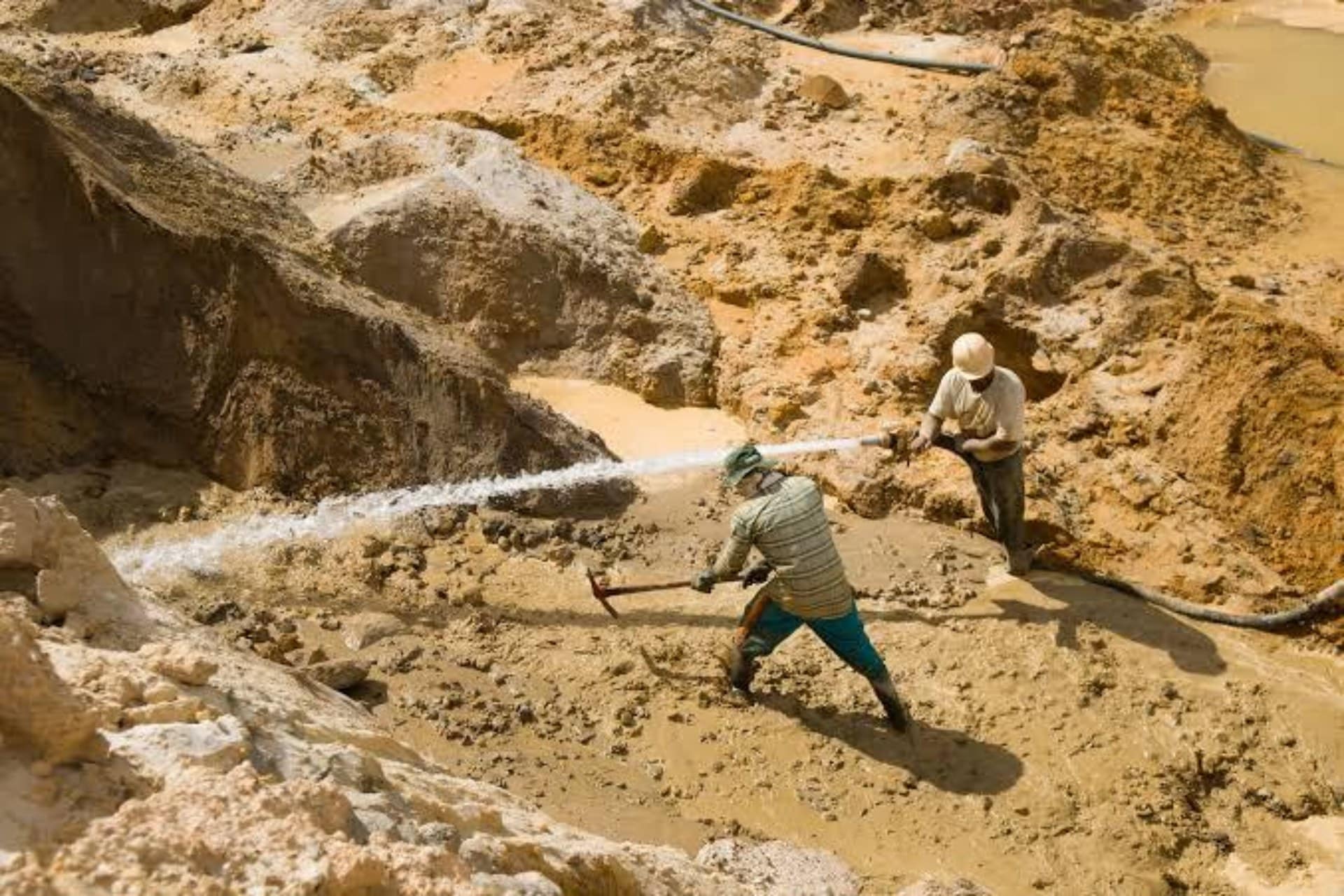
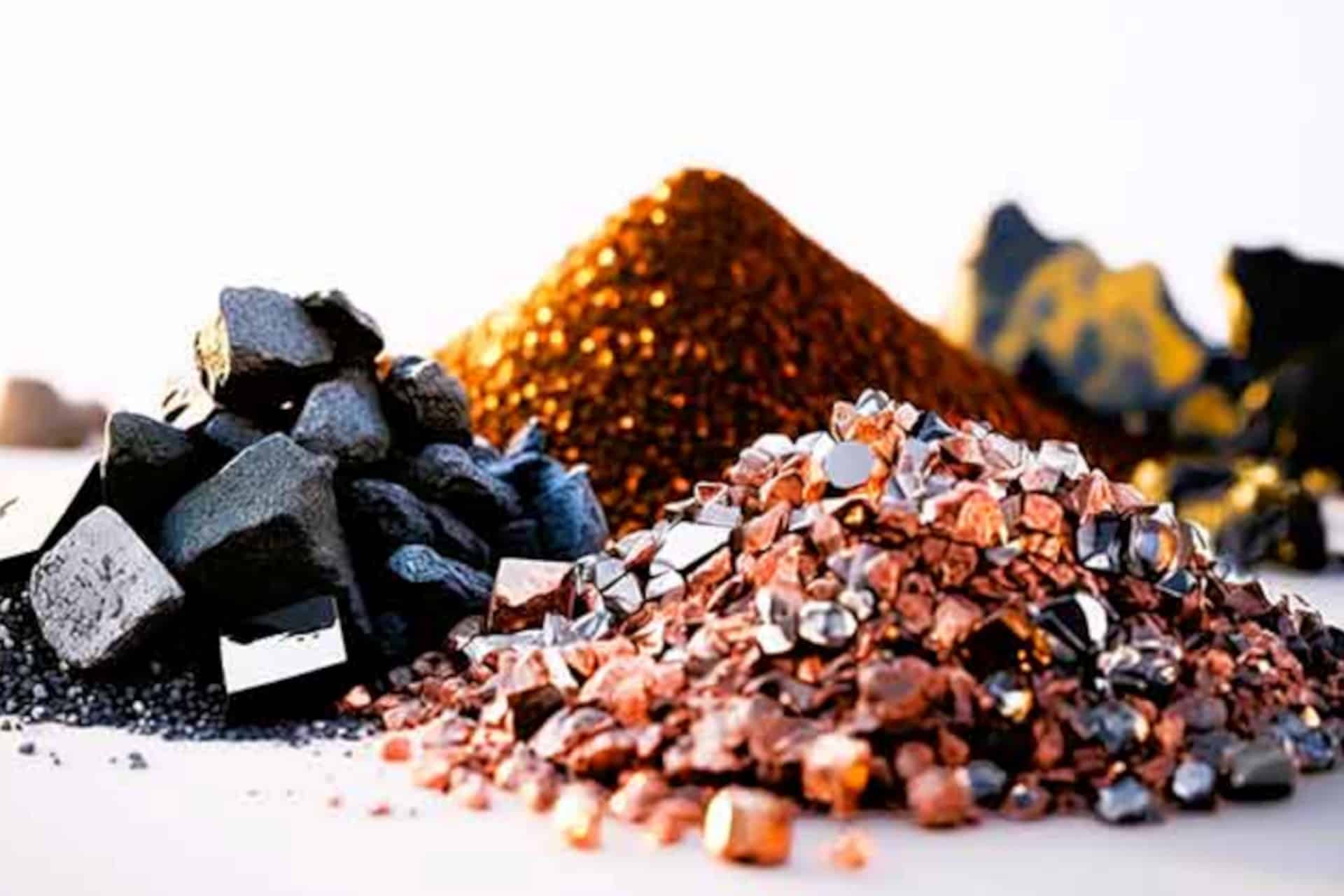
Although their name may lead to confusion, rare earth elements are not especially scarce in nature. The real problem is that its extraction and processing is complex, expensive and has a significant environmental impact.
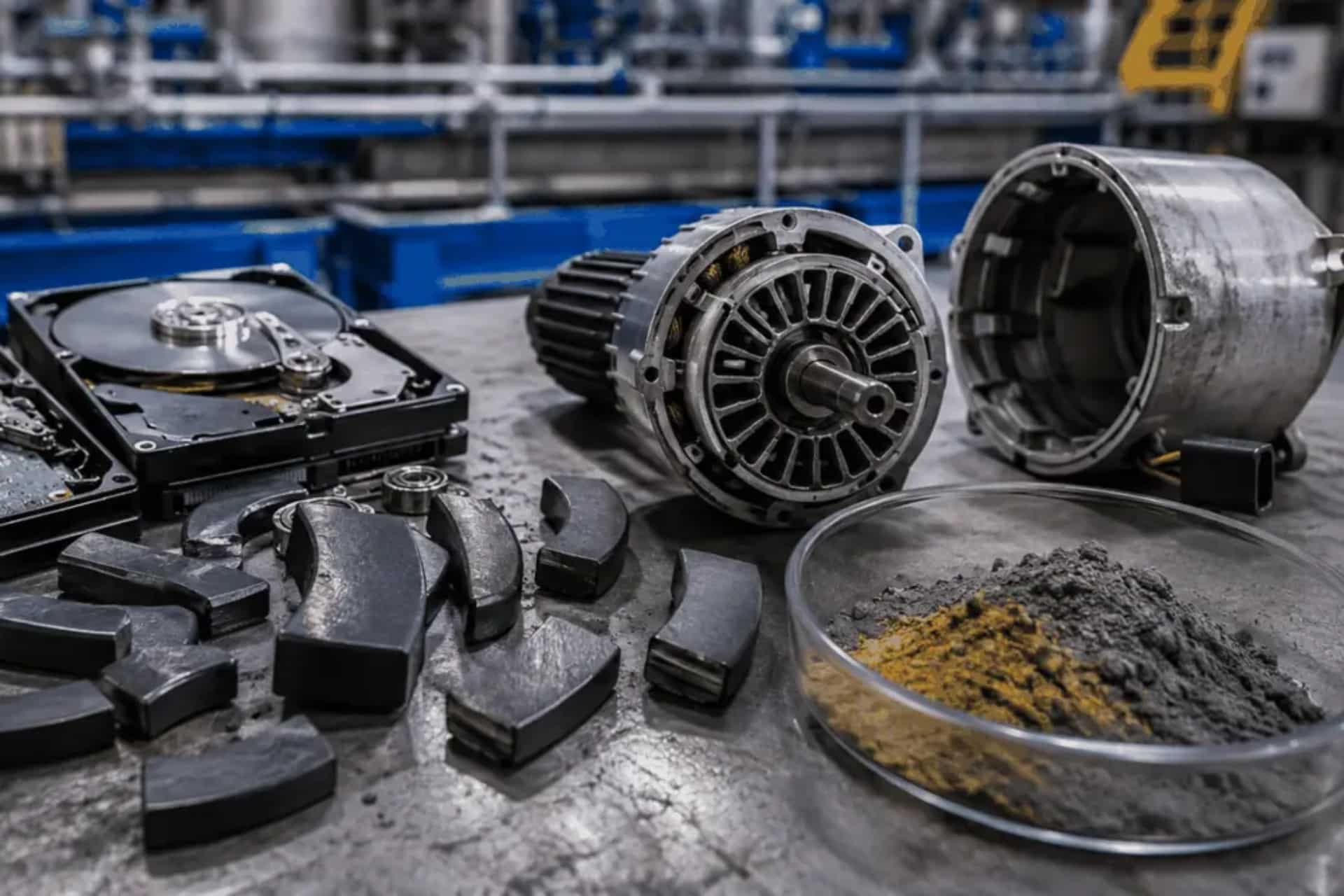
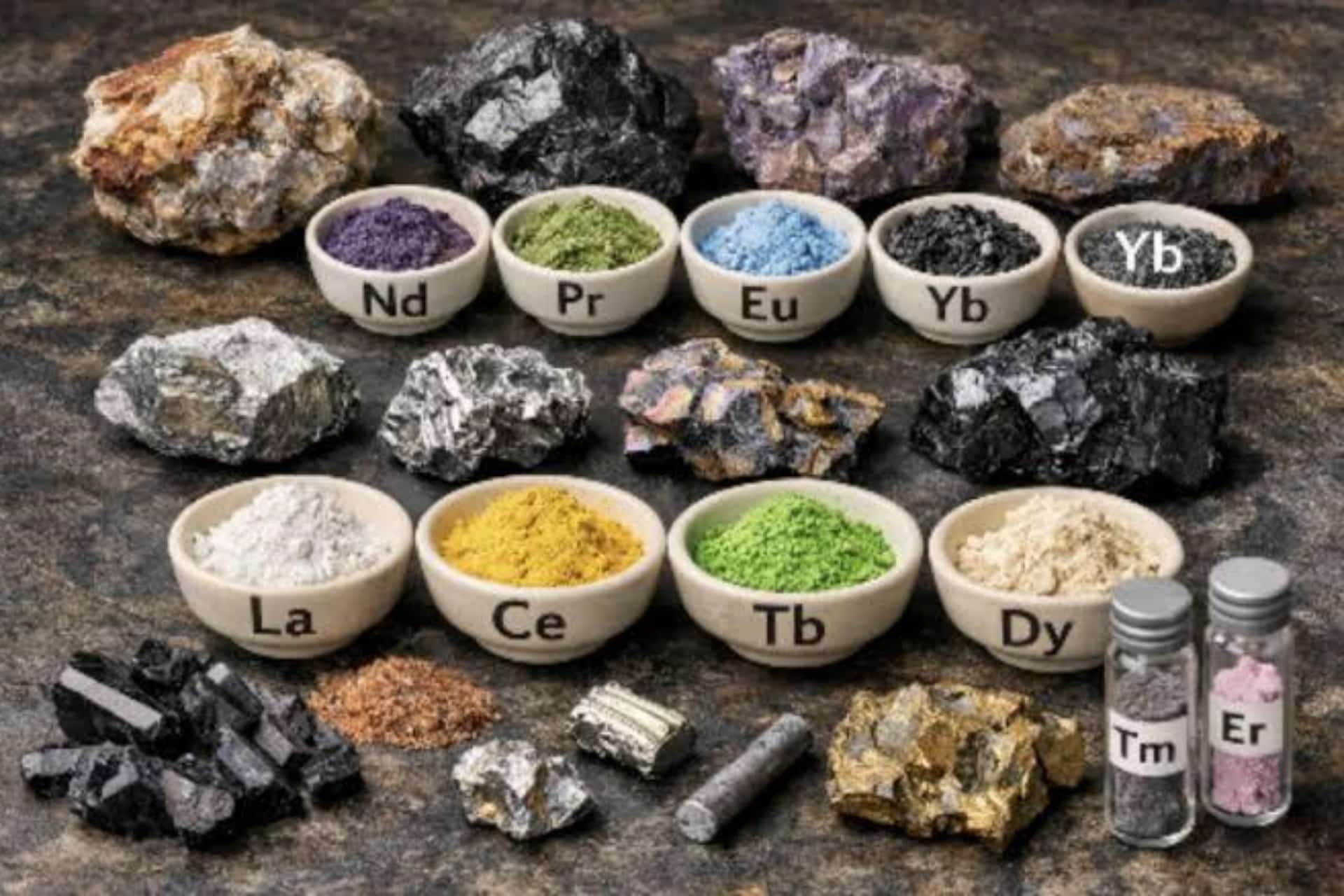
This group is made up of 17 chemical elements that play an essential role in the manufacture of high-performance permanent magnets, present in electric motors, hard drives, wind turbines, electrified vehicles, medical equipment and a multitude of electronic components.
We have heard and read it on numerous occasions, currently, China largely dominates this market and concentrates nearly 90% of the world’s processing of “rare earths”, a situation that has worried the European Union for years due to the strategic risk of depending almost entirely on a single supplier.
And, precisely for this reason, Brussels approved in 2024 the Fundamental Raw Materials Law (Critical Raw Materials Act), whose objective is that, by 2030, at least 25% of European demand for these raw materials comes from recycling and other recovery sources, thus reducing the vulnerability of the Community industry.
This is how the new Italian “rare earth” recycling plant will work
The process will begin with the collection of hard drives and electric motors out of use. Once dismantled, these magnets will be subjected to different chemical treatments that will allow the different elements to be separated and obtain raw materials ready to be re-incorporated into industrial processes.
When the plant reaches its maximum capacity, it will be able to treat around 2,000 tons of permanent magnets per year, from which it is expected to recover more than 500 tons of reusable rare earth elements. This is an especially relevant figure taking into account the growing consumption of these materials driven by the electrification of transport, renewable energy and the expansion of consumer electronics.
In addition to Iteliumthe consortium brings together other entities specialized in different phases of the process. The company Glob Eco will be responsible for disassembling the magnets, while Erion will coordinate the collection and management of electronic waste necessary to power the plant.
For its part, the University of L’Aquila will supervise the scientific aspects and evaluate both the technical performance and the environmental and social impact of the project. Also participate EIT RawMaterialsthe body in charge of disseminating the results of the initiative and promoting its implementation in other European countries.
Life Inspire also takes over the pilot project New-REdeveloped in recent years and which has served to validate the technologies that will now make the leap to an industrial installation.
The Italian Government considers that this authorization involves much more than the construction of a new recycling plant. The Italian Deputy Minister of the Environment, Vannia Gavahighlighted that: «Ensuring the supply of critical raw materials is essential to reinforce the industrial, energy and technological autonomy of both Italy and the European Union as a whole. Recovering rare earths from electronic waste not only represents an environmental benefit, but also a strategic decision to guarantee the future competitiveness of the European industry”.