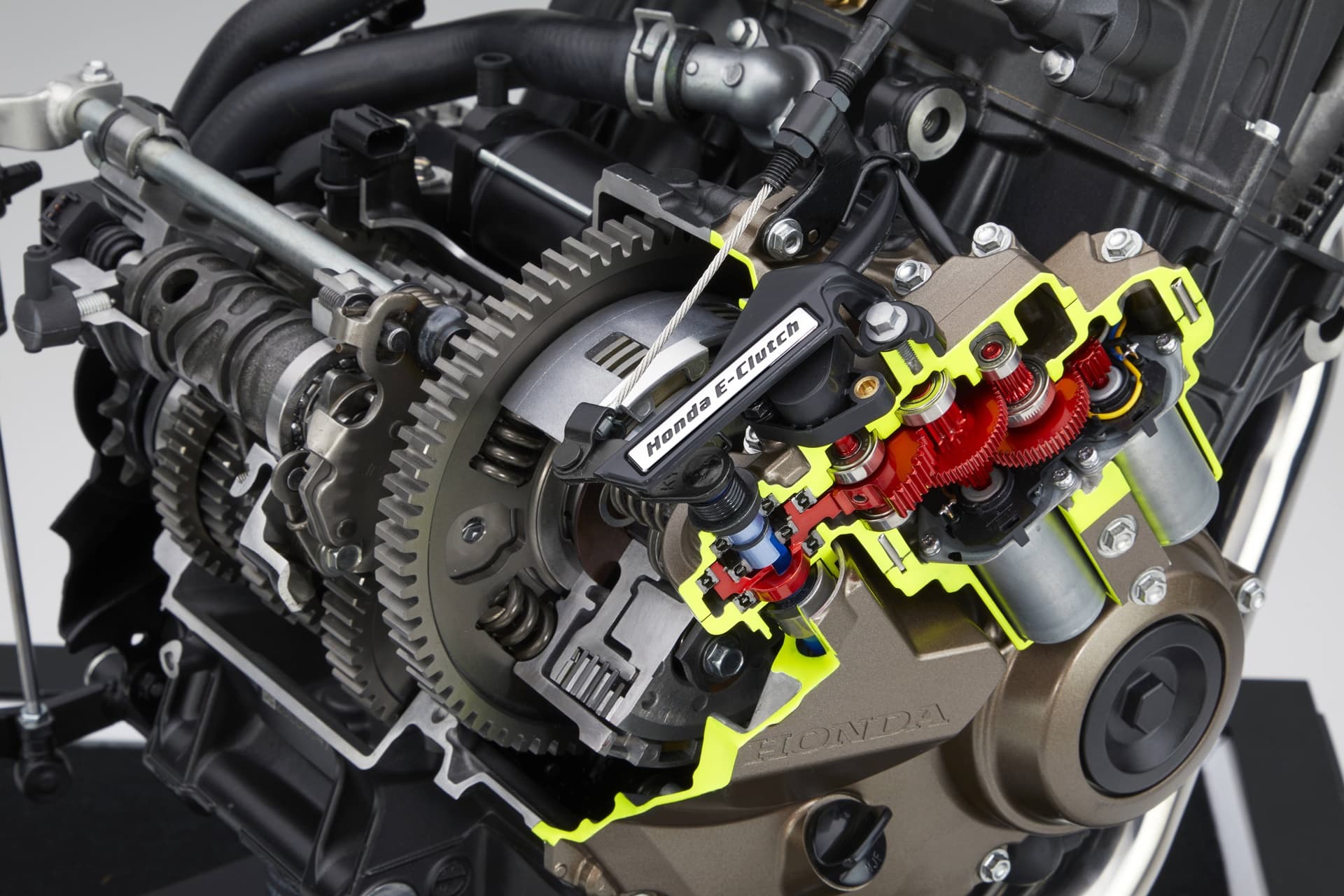
Almost three years ago, Honda introduced an important technological innovation into its model range: the Honda E-Clutch. Broadly speaking, we are talking about an electronic clutch system with which the Japanese brand elevates the driving experience to a “higher level”, thanks to ultra-fast and precise gear changes.
Now, one of those responsible for the project offers us an even more clarifying and focused perspective on the operation of the Honda E-Clutch itself, making us see that we are not only talking about a technical revolution within the two-wheeled sector. In a way, we are at the gateway to the world of motorcycles for many fans who until now had been reluctant to take the step: the reason?… The ease and security that this type of transmission offers when using it.

Honda E-Clutch: a new way of understanding the motorcycle
From the Japanese firm’s point of view, the Honda E-Clutch has reinvented the manual control that until now a standard gearbox offered us. Contrary to what some users believe, its operation does not eliminate the concept itself, but rather reinvents it. In this way, the rider is offered extra freedom when handling the motorcycle, as explained Junya OnoAssistant Chief Engineer, Motorcycle and Power Products Operations at Honda Motor Co., Ltd.:
“Riders can see the benefit in any driving situation, but the difference is especially noticeable at low speeds, such as in urban environments, where the smoothness of the shifts is more evident.” In order to offer these features, the E-Clutch actively manages the clutch itself through electronic actuators, unlike a conventional quickshifter.

The latter momentarily cuts off the ignition or fuel supply to relieve the load on the gearbox, allowing clutchless upshifts. The Honda E-Clutch does not interrupt power during the process; Subtly slides the clutch during shifting, smoothing torque transitions before the rider even notices them. The differences are evident, and become even more palpable at low speed.
Honda has sought a clear objective when developing this system: to expand accessibility without diluting the enjoyment. Junya Ono comments: “The main objective is to enable a wide range of users to enjoy driving with greater confidence in a wide variety of situations. This has been achieved by further evolving and refining the control logic based on the system originally developed for the 650 range models.”
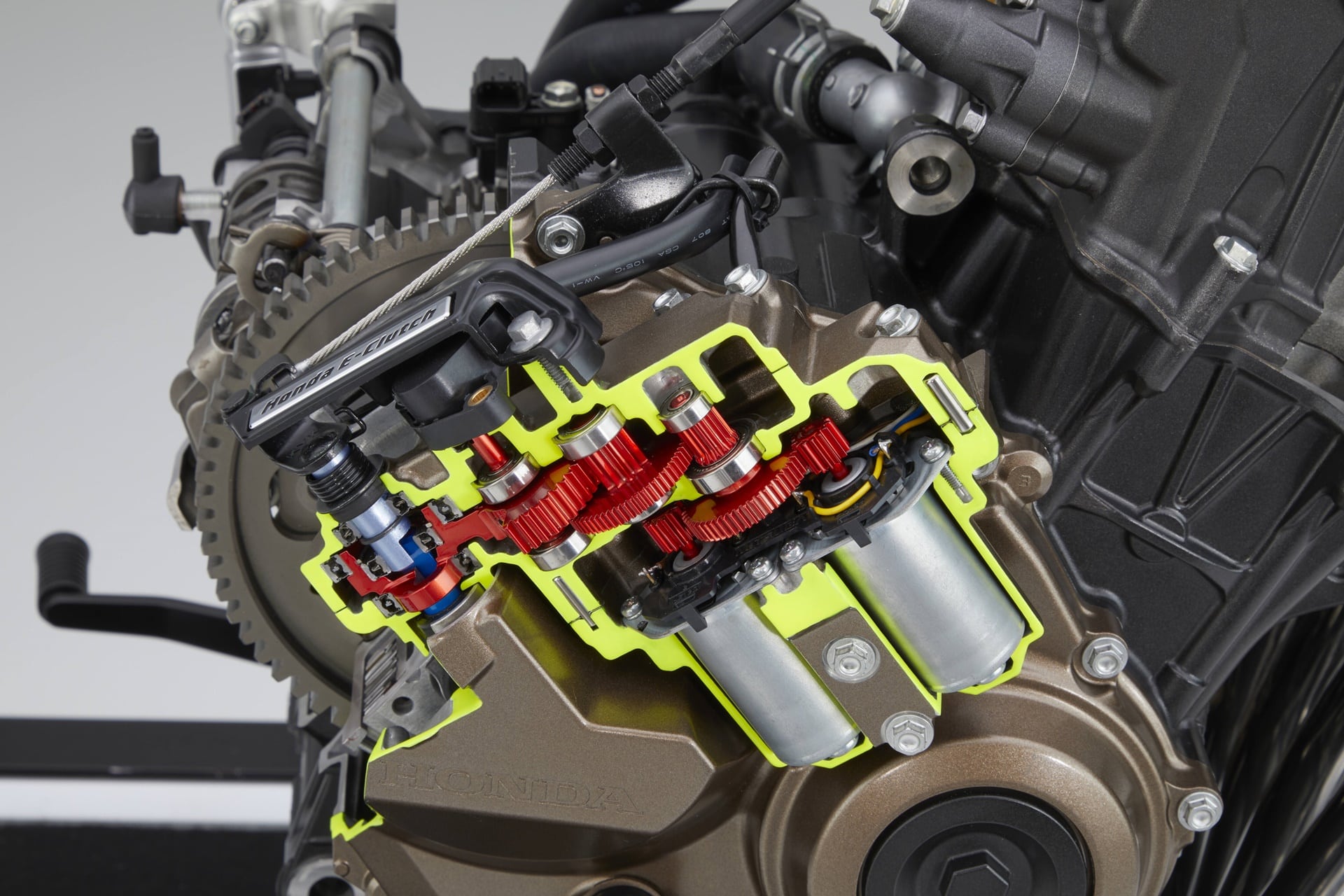
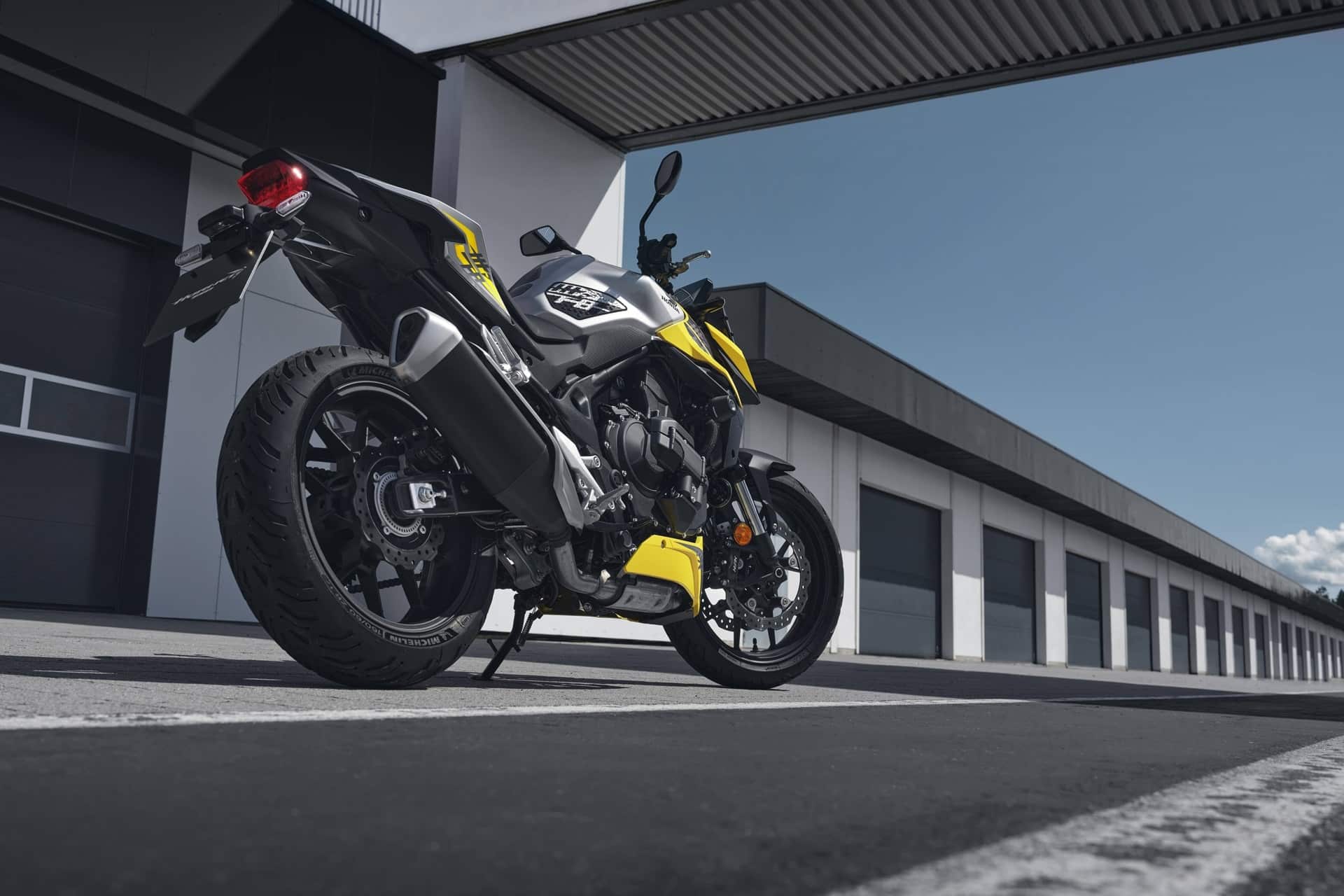
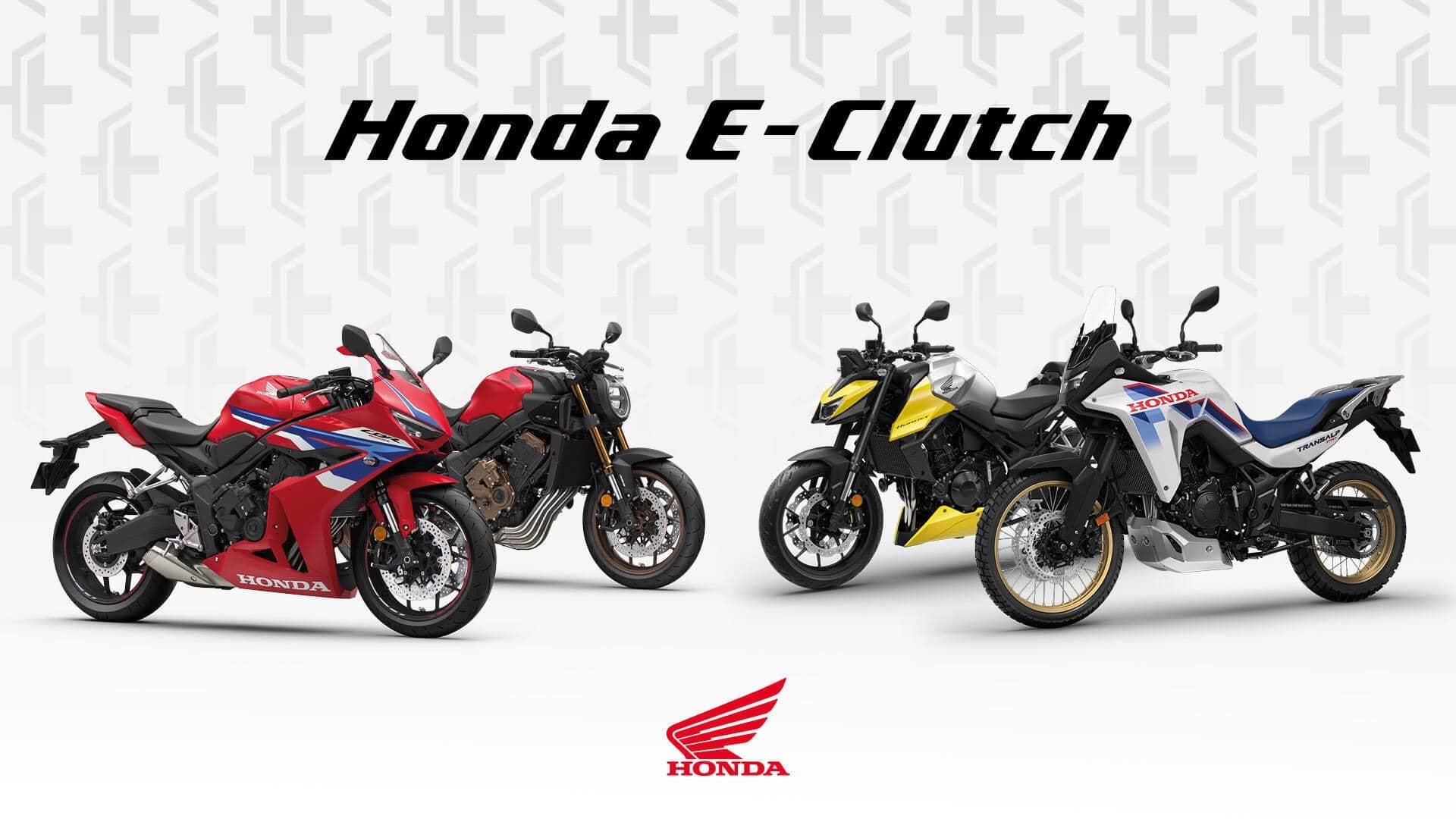
The Honda E-Clutch, which debuted on the CB650R and CBR650R, is now also offered on the new-generation XL750 Transalp and CB750 Hornet. The idea in this sense is clear on the part of the brand: ““offer this technology to different displacements and driving scenarios.” An important advance in the system applied in the 750 model is the Throttle-by-Wire (TBW) integrationwhich unlocks greater potential by making the E-Clutch’s behavior adaptive instead of reactive.
“With the ability to select driving modes, the E-Clutch has become easier to use in a wide range of scenarios, from urban commuting to sport driving, allowing its behavior to better adapt to the rider’s demands.”Ono-san explains. “In addition, the downshifts now incorporate an automatic blip function, which allows for smoother and more continuous downshifts.”
Auto-blipping will be familiar to sportbike riders. When downshifting aggressively, a small burst of gas raises the engine speed to match the speed of the gearbox, avoiding instabilities in the rear wheel. Traditionally, this required precision and coordination. With the E-Clutch, the system performs the blip electronically, but also simultaneously manages the clutch slip.
“Similar to downshifting with a quickshifter, the system performs a throttle boost to adjust the engine speed to the appropriate rpm after downshifting,” Ono-san explains. “However, because the E-Clutch also applies half-clutch control, it achieves smoother downshifting overall.” This double action, equalization of speed and control of clutch slip, generates a downshift that is perceived almost in advance.
There is less alteration to the chassis, less jerks in the transmission, translating into greater stability under braking. “During rapid deceleration, the load on the rear tire can be reduced, causing rear wheel rotation to lag behind the vehicle’s actual speed.”Ono-san explains. “If the load is reapplied in that state, the difference cannot be fully absorbed, resulting in wheel bouncing. The system detects this situation and applies half-clutch control. By allowing the clutch to slip instead of the tire, vehicle stability is improved.”
This rear wheel bounce mitigation first appears on Honda’s 750 series models, including the Honda Transalp, marking a clear evolution in the role of the E-Clutch. Now it no longer only focuses on the comfort aspect, it also affects the dynamics of the motorcycle itself. However, implementing this control on multiple engine platforms is not a simple software upgrade. Each engine configuration behaves differently.
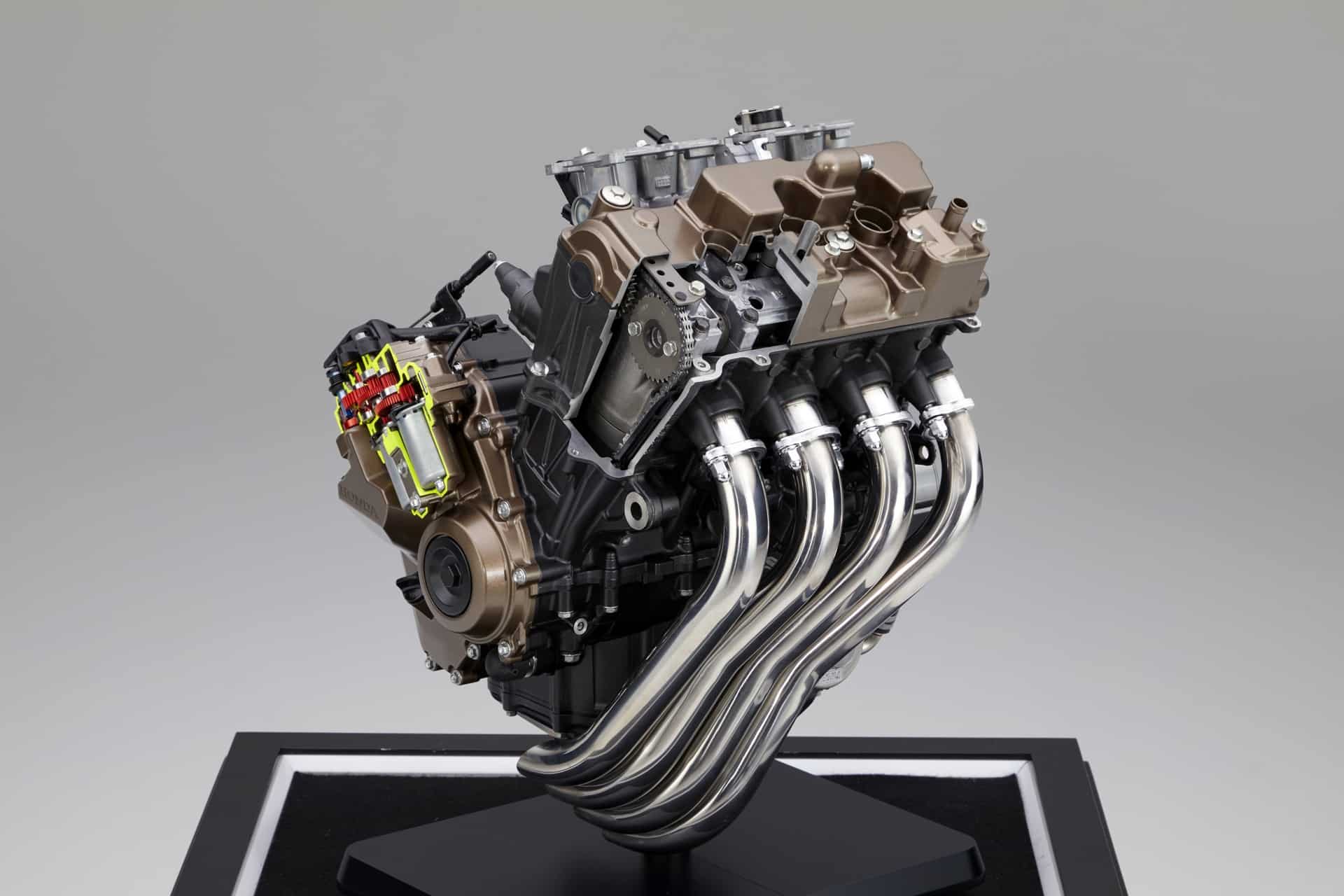
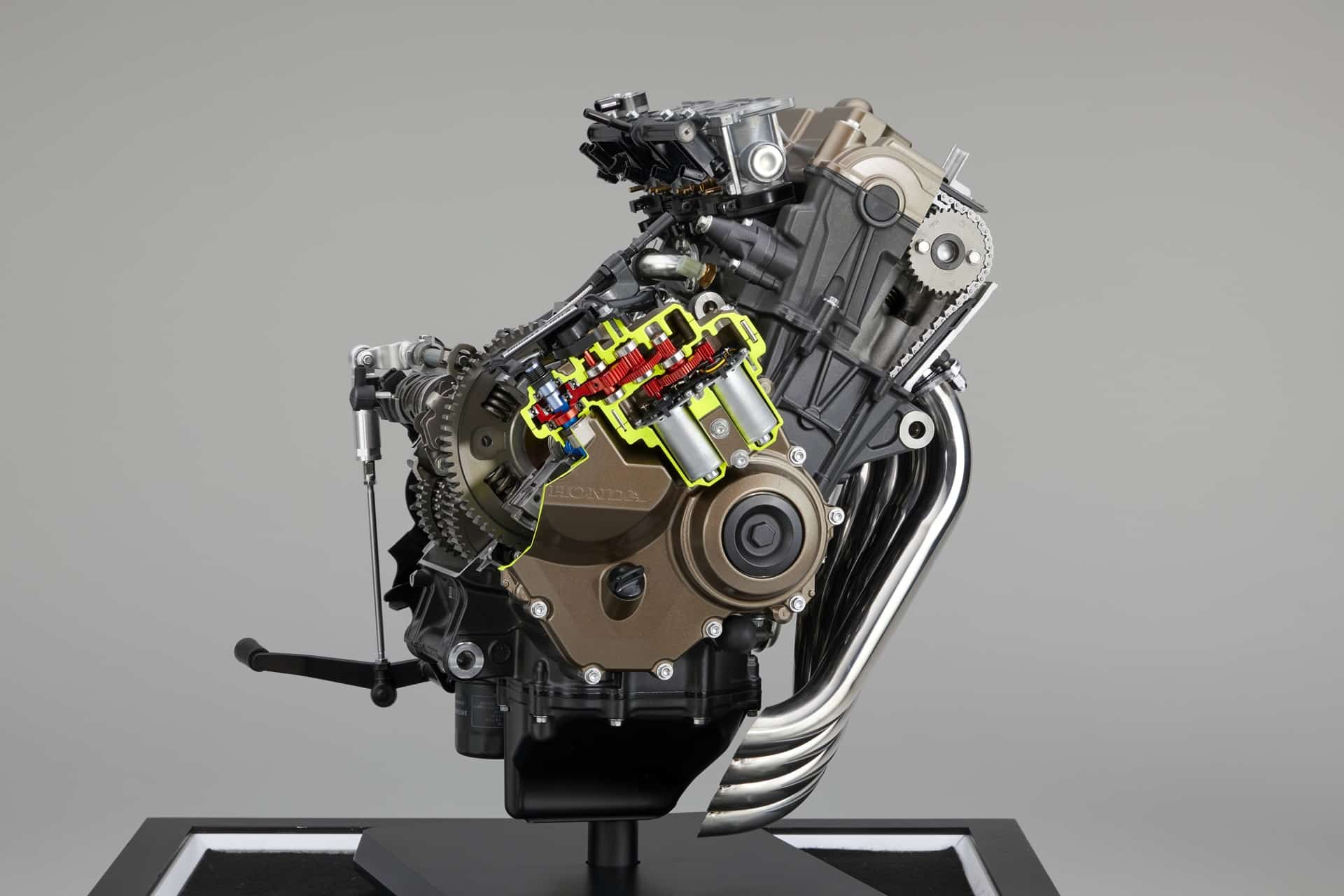
“Each engine had its own characteristics, so it was necessary to adjust specific settings,” Ono-san points out. “In particular, we faced difficulties in adapting to differences in rotational fluctuations, as well as variations in engine response and torque delivery.” A four-cylinder in-line engine rotates differently than a parallel twin.
Torque pulses, crankshaft inertia, throttle response curves all influence how the clutch should engage or slip. The engineering challenge was to map those features precisely enough so that the pilot would never notice the calculation behind the system. On the other hand, the driving modes add another layer of complexity. In Rain, the throttle response softens; in Sport, it becomes more direct.
Since the TBW decouples the turning of the throttle grip from the actual opening of the throttle, the clutch must interpret not only what the rider does, but what the engine will do next. “Depending on the selected mode, such as RAIN or SPORT, the actual opening of the butterfly varies in relation to the opening of the grip”Ono-san explains. “The E-Clutch performs appropriate clutch control based on these changes in throttle valve opening.”
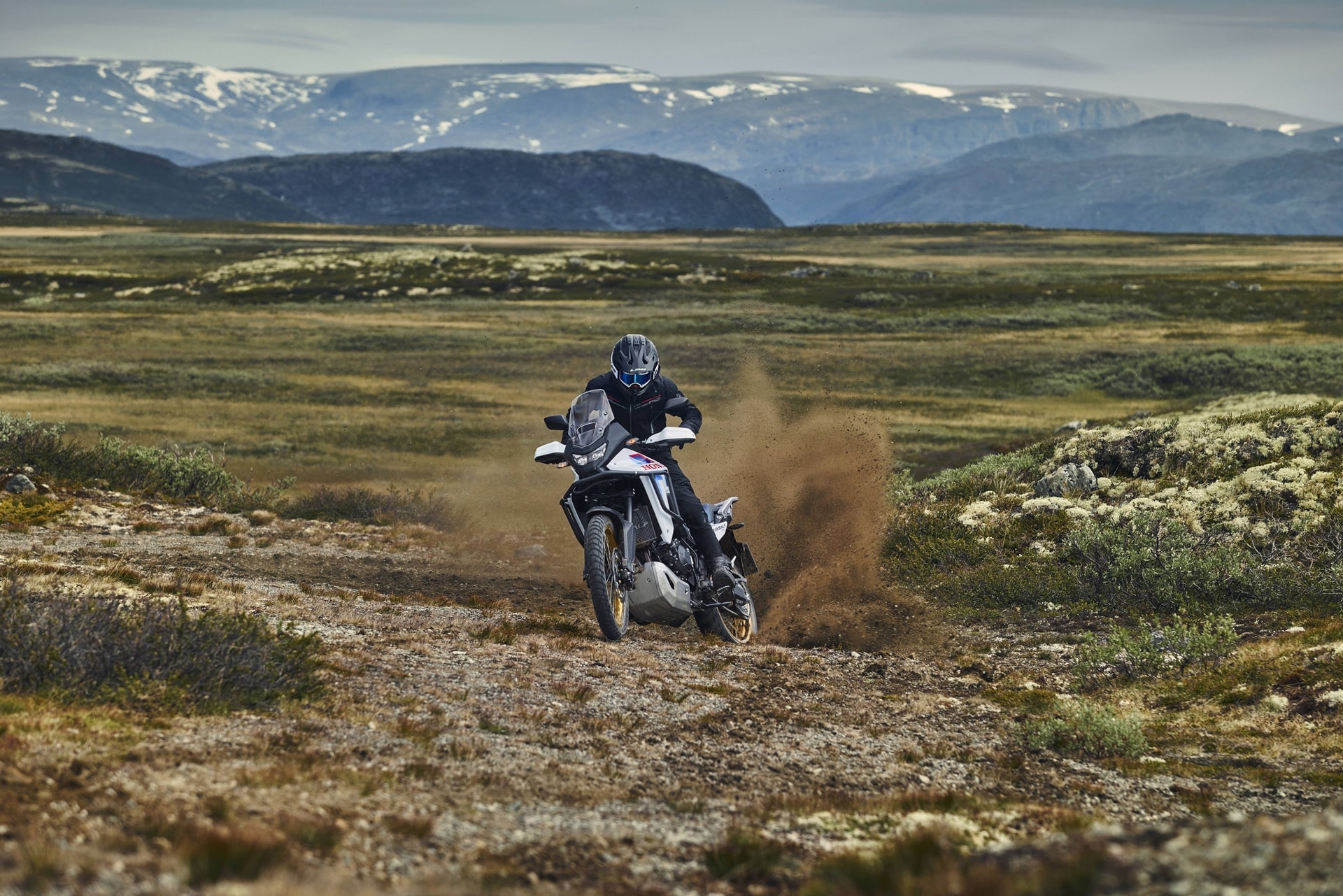
The clutch engagement remains intuitive and proportional, an aspect of vital importance when driving off-road. “First of all, the presence of the E-Clutch eliminates the concern about engine stalling”says Ono-san. “It also eliminates the need to worry about operating the clutch lever. As a result, drivers can focus on driving with greater confidence in off-road conditions, where greater attention to terrain is required.”
On slippery surfaces, where traction can vary unpredictably, the 750 Series system goes further. According to the brand, it is capable of executing adequate upshifts even when the rear tire slips during acceleration, maintaining traction without increasing instability. Despite all this automation, Ono-san stresses that it was essential to preserve familiarity. “We committed to a configuration that did not change the layout of the controls”he emphasizes.
“The clutch lever is installed in the same way as before and, without any special operation, simply operating the lever immediately gives you the same feel and operation as on a conventional manual motorcycle.” Plus, it offers an added bonus for those looking for that traditional involvement. “We have allowed the E-Clutch to be disconnected in situations where the driver does not want the clutch to disengage automatically, for example, during low speed driving in gymkhana, where you may want to ride just at the limit of idle”Ono-san explains.
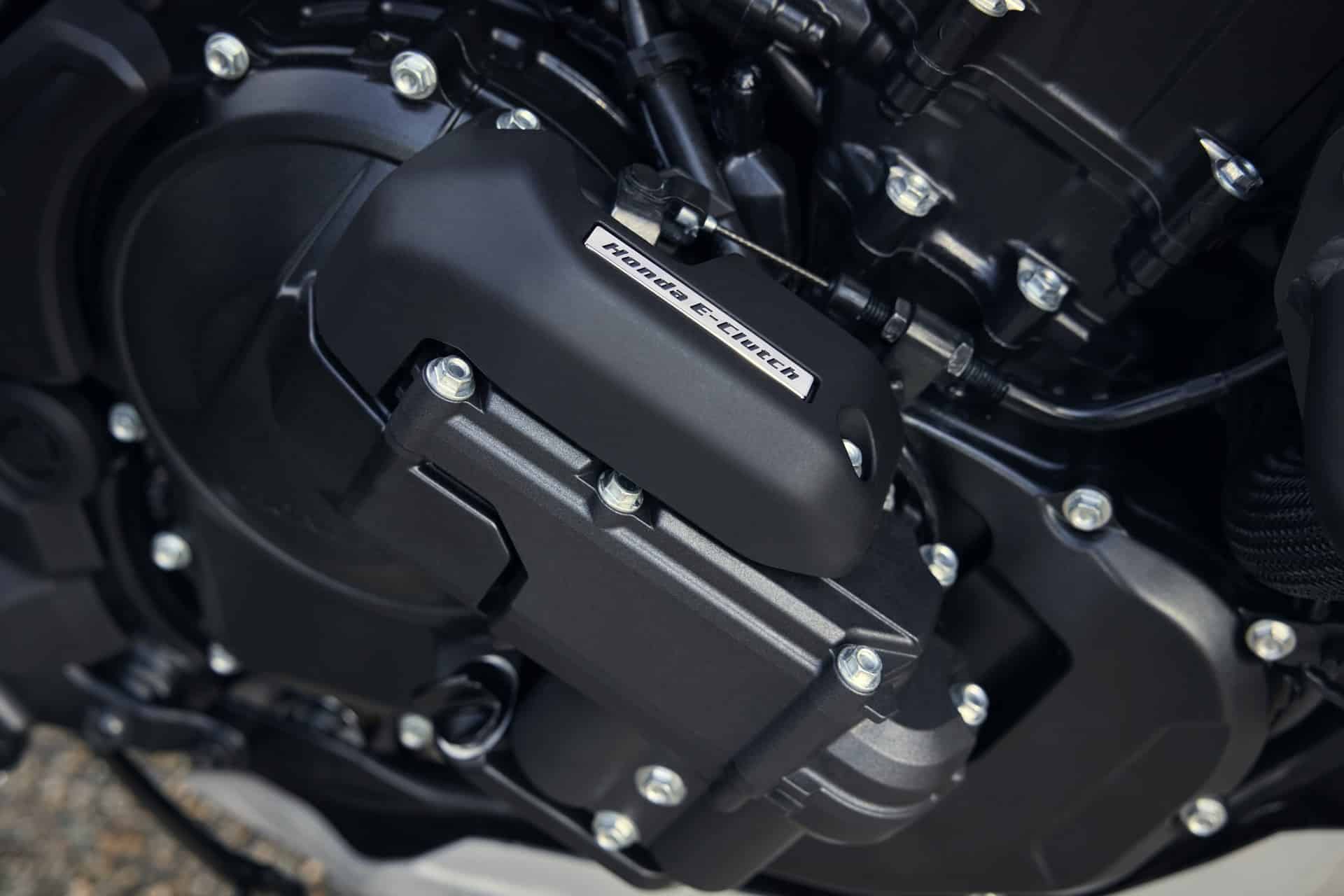
“We believe that being able to completely return to the same operation as a manual motorcycle is a unique advantage that other automatic clutch control systems do not offer. In addition to functional improvements such as coordination with the TBW, refinements have also been made in finer details to improve the feel when starting and changing gears.”Ono-san points out. In this sense, the E-Clutch eliminates friction, both mechanical and mental.
Likewise, it reduces fatigue in traffic, increases braking stability, increases confidence off the asphalt and improves precision in dynamic driving. That is why, as we pointed out at the beginning, this electronic shifting system can become the best ally for new motorcyclists, significantly reducing barriers. For experienced pilots, it smoothes transitions without taking away sensations. And perhaps therein lies the most convincing innovation of the E-Clutch, as the brand ends up saying:
“It doesn’t change the way you ride a motorcycle, but it redefines how every shift, every start and every stop feels.”