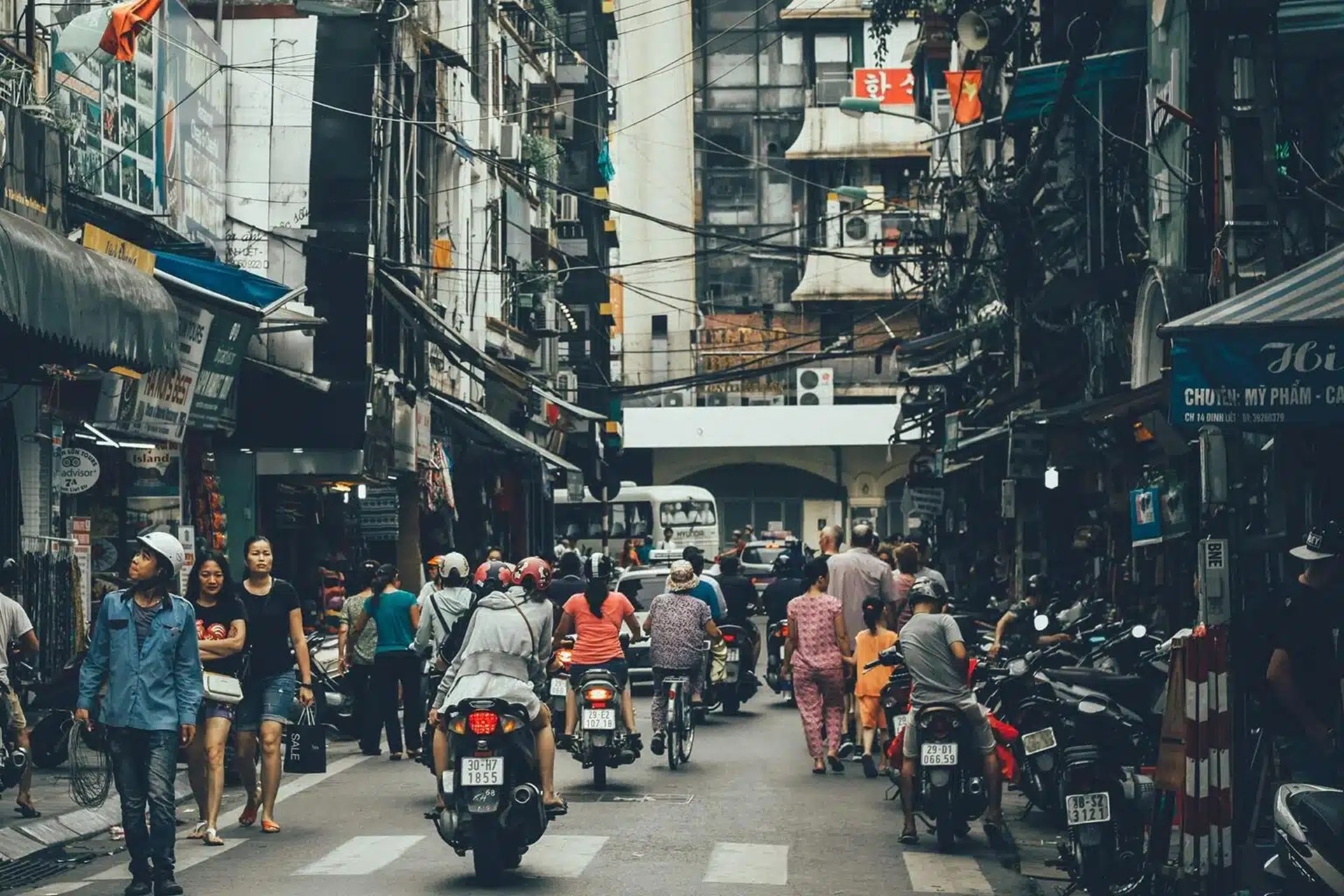
In recent months, there have been several news stories predicting the imminent ban on the circulation of gasoline motorcycles in the respective capitals of India and Vietnam. A decision that has been brewing for a few years now and that seems to be beginning to take its final form based on the latest government decisions recently announced by the authorities in charge of legislating the matter in both countries.

Gasoline motorcycles targeted by Vietnamese authorities
For those who believed that the “Green Agenda” and the policies associated with the woke ideology were only mandatory in Europe, you may be surprised to know that countries like Vietnam or India have begun to enact ZBE plans and with them the prohibition of the free circulation of gasoline motorcycles, among other types of vehicles.
In fact, last summer, the Vietnamese government already announced that for this year the use of motorcycles with combustion engines would be prohibited in the center of its capital. So, the country’s prime minister Pham Minh Chinh It initialed the new regulations integrated into a national strategy to achieve carbon neutrality by 2050.
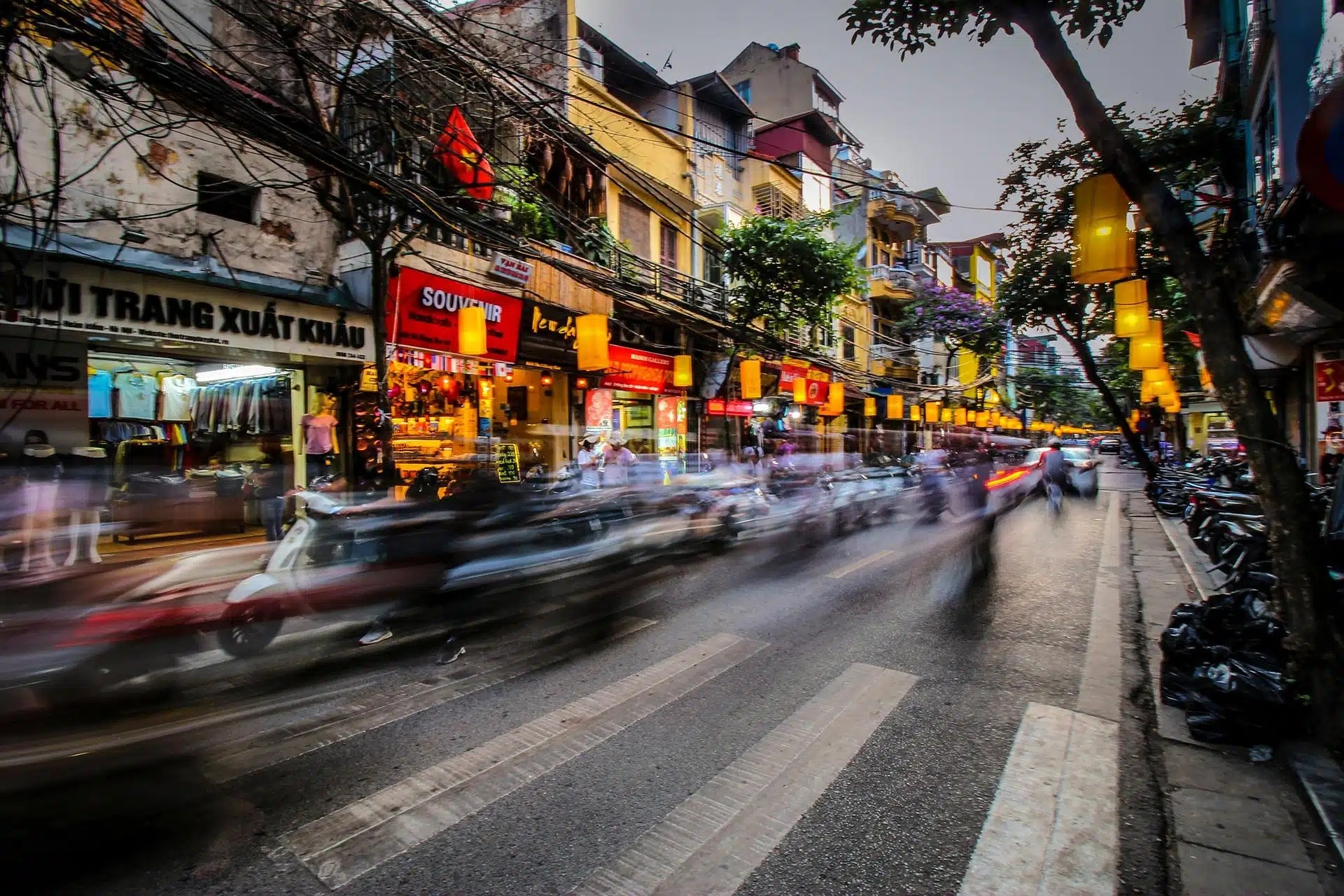
The measure that should have started to be applied this July 1 will be extended until 2028, at which time there will be no going back. It will be then that gasoline motorcycles will not be able to circulate in the low-emission zones initially established on the Ring Road bypass, belonging to the central core of the country’s capital.
Subsequently and gradually, everything points to the “implementation of a roadmap to gradually restrict and ban certain gasoline and diesel vehicles in order to reduce air pollution. Divided into three phases, the plan will cover areas 1 and 2 of Hoan Kiem district from July 1 to December 31, 2026”as Paultan’s colleagues have published.
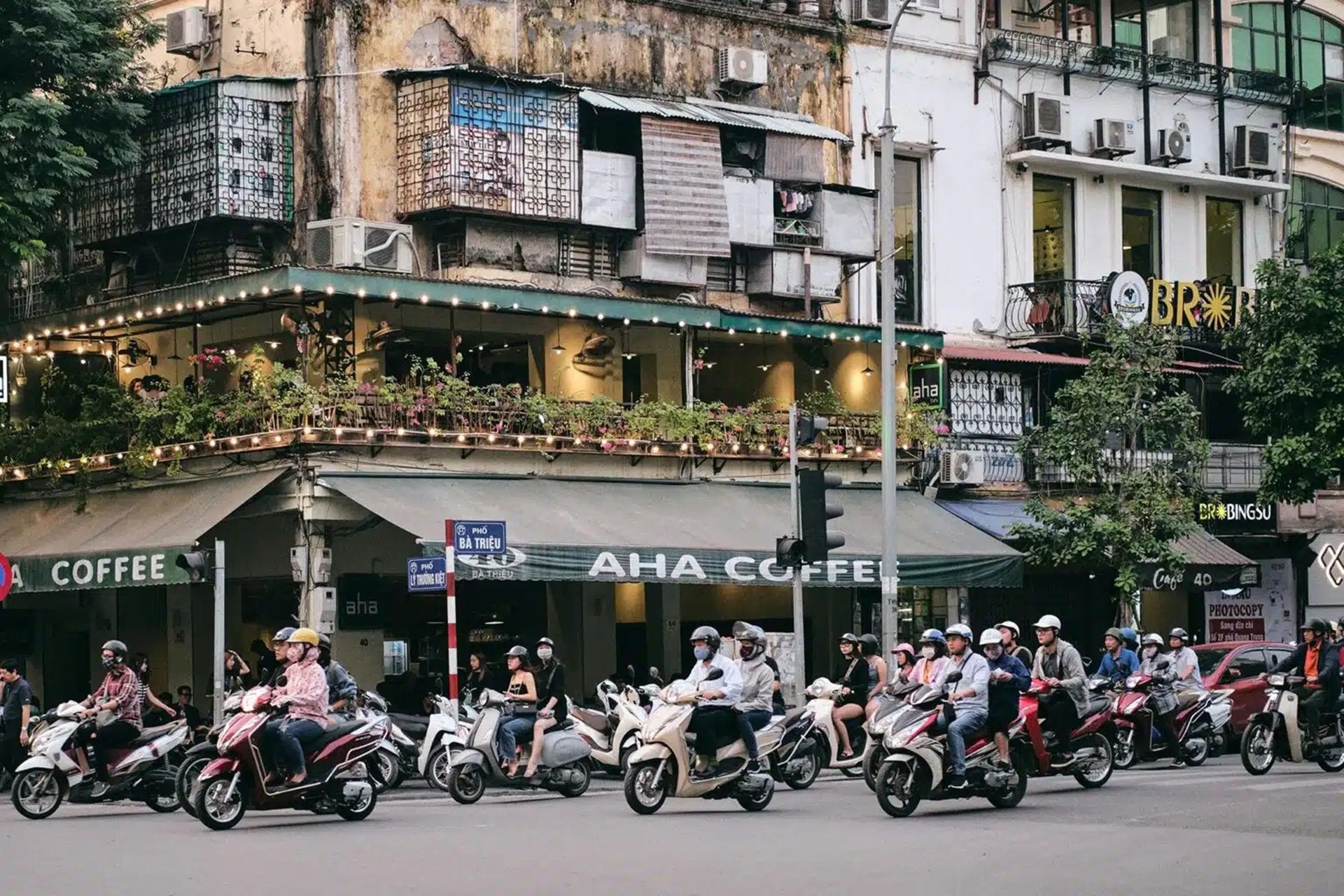
But this is only the beginning of the plan, since in a second phase, between January 1 and December 31, 2027, the ZBEs will cover an even larger radius, then including the districts of Hoan Kiem and Cua Nam. “During this period, the circulation of shared transport motorcycles and delivery vehicles that use fossil fuels will be prohibited within the area”they conclude.
Finally, from 2028 to December 2029, the entire Ring Road 1 bypass will be declared a low emissions zone and with it the entry of gasoline motorcycles that do not comply will be prohibited. “with level 3 or higher emissions standards according to QCVN 99:2025/BNNMT”. The government has already reported that owners of motorcycles imported into Vietnam before 2008, or mopeds manufactured before 2016, will be urged to reduce their use.
India signs up for ban on gasoline motorcycles
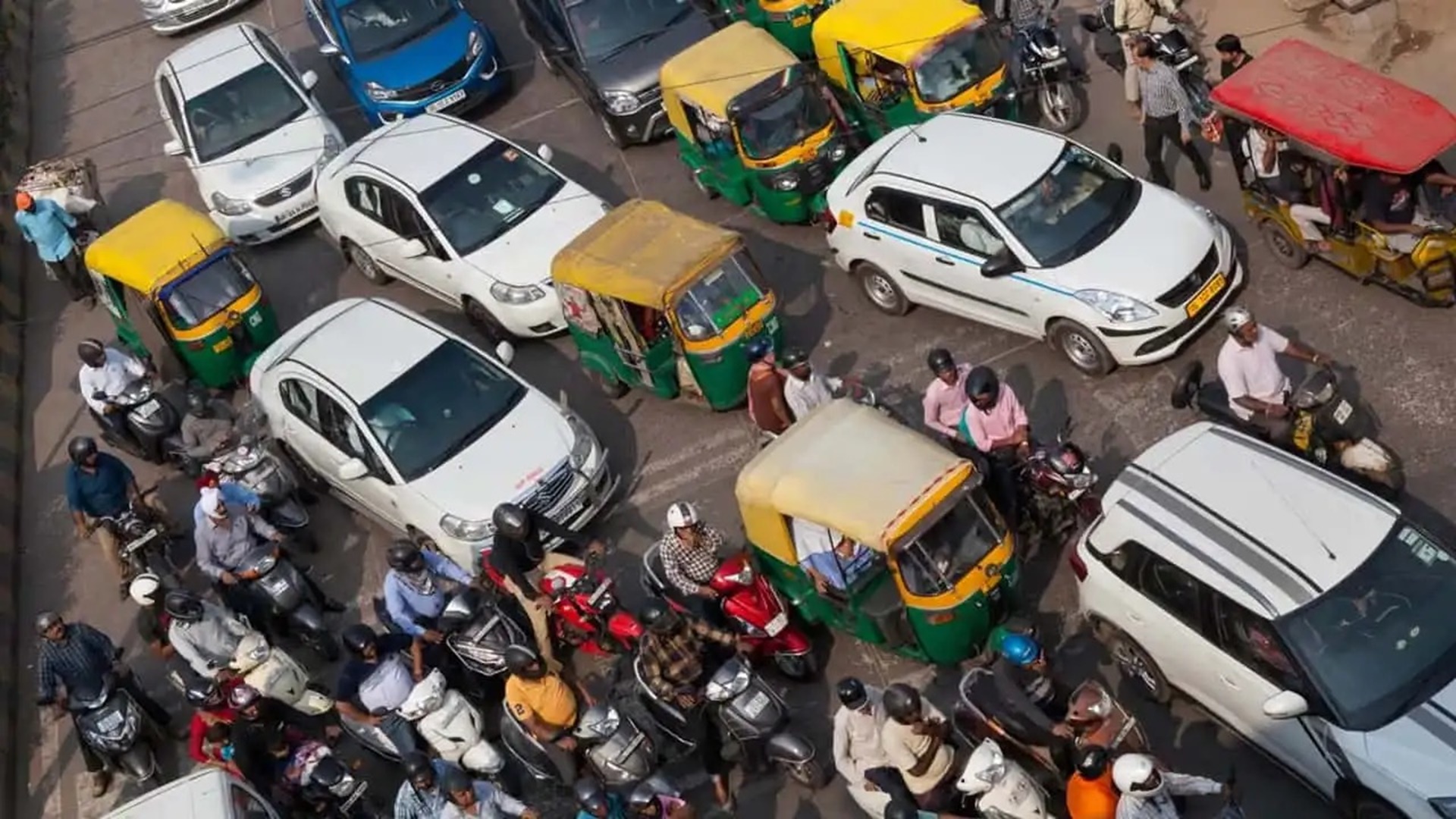
India is another country that adheres to this type of initiative, specifically the leaders of the country’s capital, going one step further in terms of legislation against gasoline motorcycles: “Earlier this week, the Delhi government announced plans to ban petrol-powered motorcycles and scooters, and the first phase of the plan involves a ban on their purchase in 2028.”confirm from Ride Apart.
Not only that, no vehicle powered by fossil fuels will be able to circulate in certain areas of the city. The goal is to achieve “the electrification of at least 30% of the capital’s vehicle fleet by 2030.” At this point, as has already happened in Europe, the question is obvious: is the country’s infrastructure prepared for it? On the other hand, how legal are these inquisitorial policies that directly harm the less wealthy classes?

The debate is ongoing in both countries. The ban on gasoline motorcycles, among others, is not a trivial fact, far from it. A large portion of the population of both nations moves around and makes a living using them. That is why, rather than prohibiting it, wouldn’t it be better for the respective governments of Hanoi and Delhi to promote policies that encourage, for example, the use of public transportation?… Time will give or take away reasons, we will see.